Overview
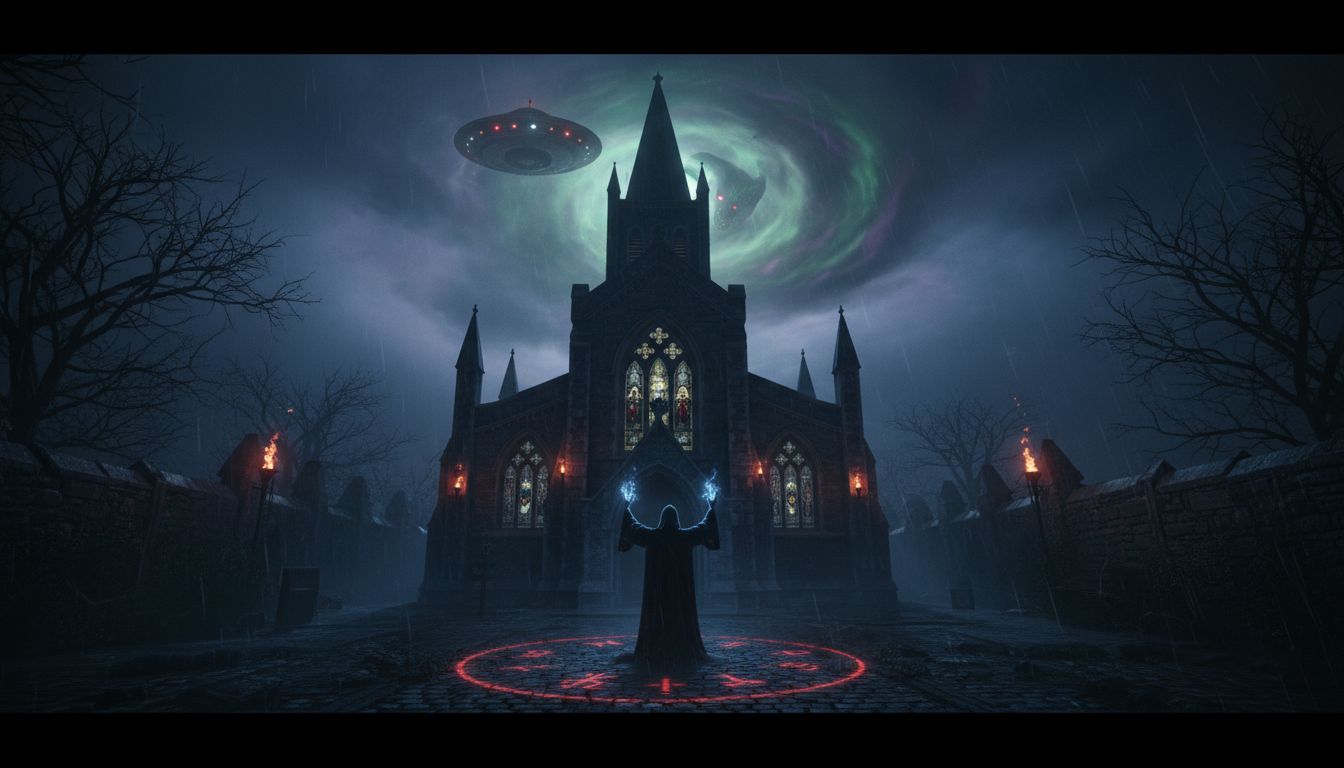
The building known locally as The Black Church sits on a quiet street in Dublin 7 and has become a focal point for a long‑standing urban legend. According to the folklore circulated in the neighbourhood, a specific ritual performed at the former St Mary’s Chapel of Ease can allegedly summon the devil. The story, which has been featured on paranormal blogs such as Moon Mausoleum, describes three distinct rites—running around the structure three times at midnight, circling it thirteen times in reverse, or reciting the Our Father backwards at the doorway. While the legend is vivid, there is no documented evidence that any of these practices have produced the claimed supernatural outcome.
Historical Background
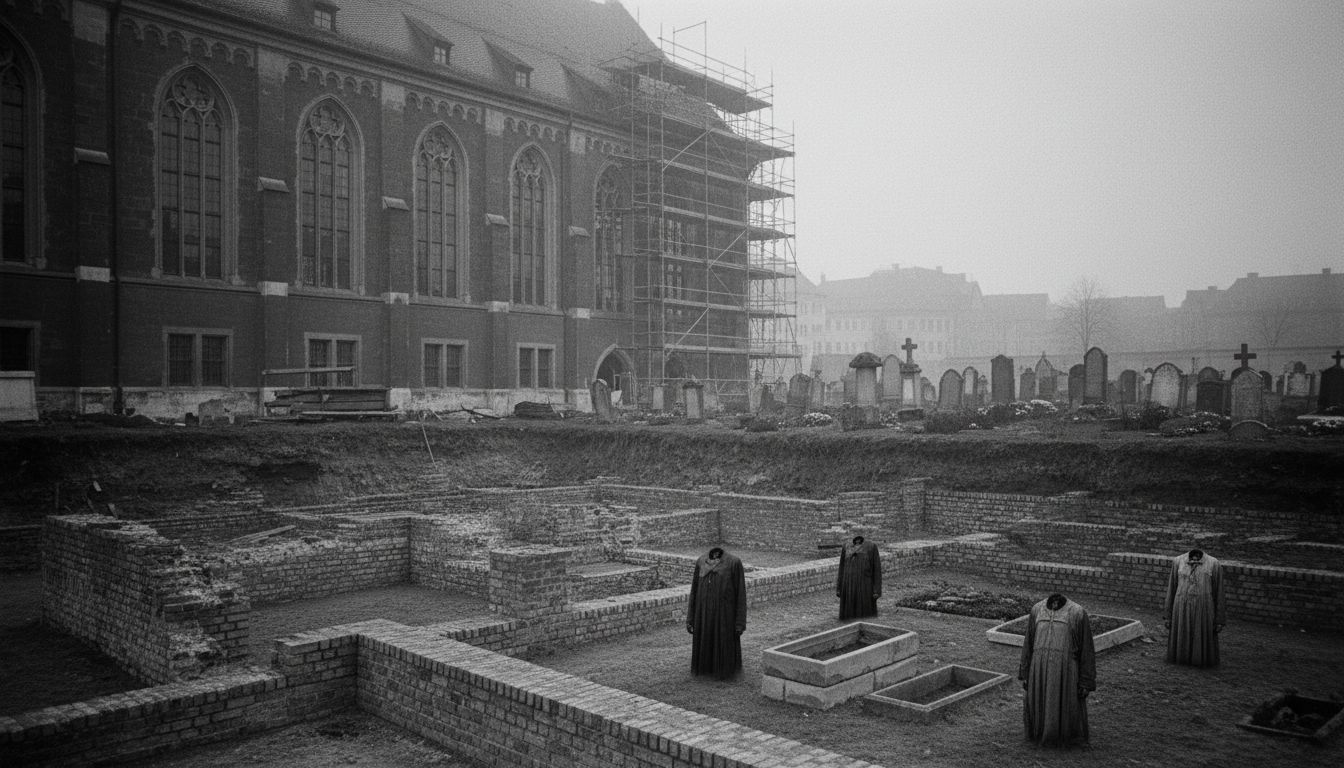
Constructed in 1830 as a Protestant chapel of ease for parishioners distant from St Mary’s on Marlborough Street, the building was originally called St Mary’s Chapel of Ease. Its dark‑gray limestone façade, which darkens further when wet, earned it the nickname “The Black Church.” The chapel was deconsecrated in the 1960s amid declining attendance, and the structure was later repurposed as office space. Literary references, including a brief mention in James Joyce’s Ulysses, attest to its presence in Dublin’s cultural landscape, but historical records do not indicate any unusual events surrounding its closure.
The Legend and Its Rituals
The contemporary legend describes three possible methods for summoning the devil within the church’s walls. One version calls for a runner to circle the building three times at midnight; another requires a reverse walk of thirteen circuits without looking away; the third involves standing at the main door and reciting the Our Father backwards. Anecdotal accounts, such as a student allegedly disappearing after attempting the rite, appear only in oral retellings and internet posts, lacking police reports or corroborating witnesses. Folklorist Dr. Siobhán O’Leary of Trinity College notes that “the pattern of three repetitions, the number thirteen, and reversed prayers are common motifs in Irish supernatural narratives, often serving as cautionary symbols rather than literal instructions.”
Local Perspectives
Residents of the surrounding area express a mixture of curiosity and unease. “I’ve walked past the church many times, especially after dark, and I can’t help but glance at it,” says longtime local Michael Byrne, who declined to give his full name for safety reasons. He adds that the story is “part of the neighborhood’s identity, but I’ve never seen anything out of the ordinary.” Conversely, heritage officer Aoife Ní Ríordáin stresses that “the building is protected as a 19th‑century structure, and any claims of paranormal activity should not distract from its architectural significance.” No official investigations have been launched, and Dublin’s Gardaí have no record of incidents linked to the alleged rituals.
Cultural Context and Interpretation
Legends like that of The Black Church often emerge where historic sites intersect with collective memory and a sense of the uncanny. In Ireland, stories of haunted churches and devil‑summoning rites echo older Celtic beliefs about liminal spaces—places that exist between the sacred and the profane. Academic commentary suggests that such narratives serve social functions: they reinforce communal boundaries, warn against trespassing after dark, and provide a shared folklore that binds residents together. As Dr. O’Leary observes, “the devil in this story is less a literal entity and more a metaphor for the unknown anxieties that urban change can provoke.”
Conclusion
While the Black Church’s dark limestone and its deconsecrated status fuel an evocative legend, the claim that a specific ritual can summon the devil remains unsubstantiated. The tale persists as a piece of Dublin’s living folklore, reflecting broader themes of heritage, community identity, and the human penchant for mystery. As long as the building stands, it will likely continue to inspire both scholarly analysis and the occasional daring explorer, each interpreting the stone walls through the lens of their own cultural narratives.