Overview
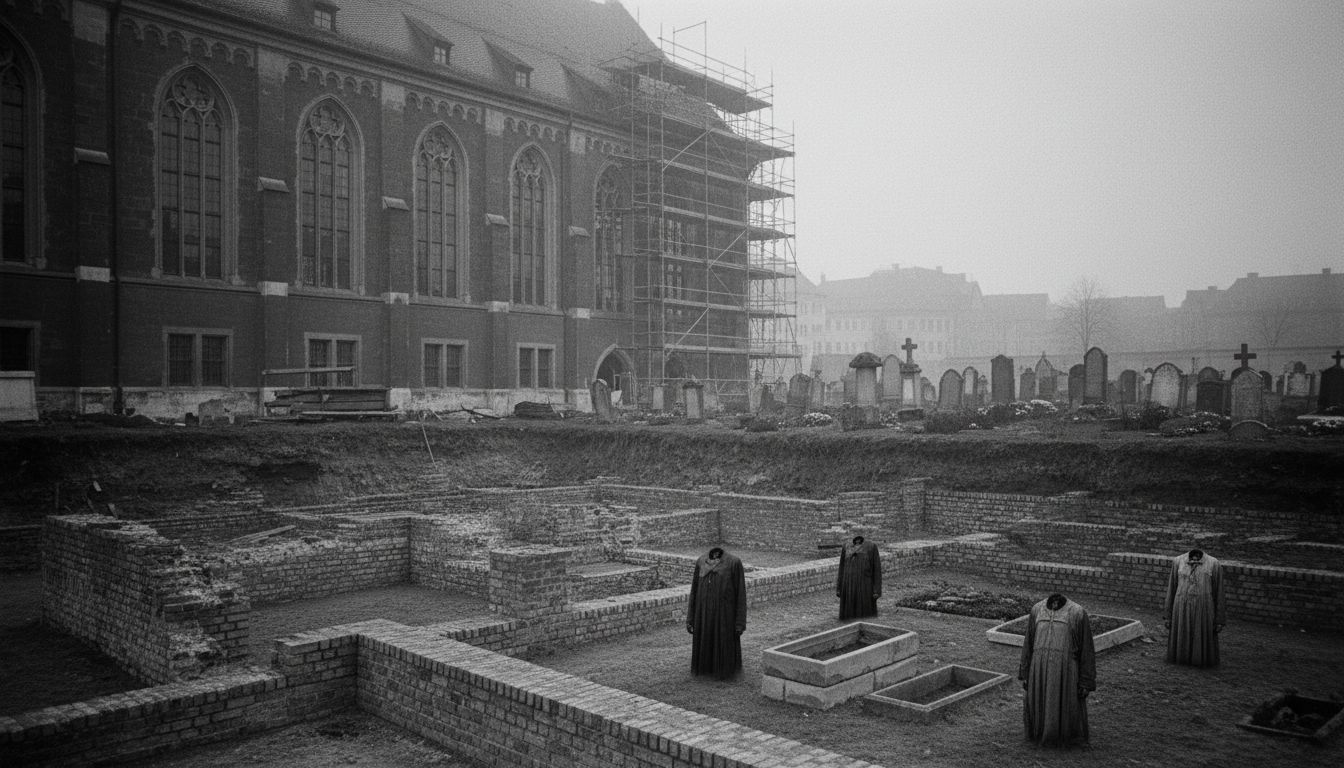
A medieval legend that has lingered in the collective memory of Buckinghamshire resurfaced this week after the online archive Moon Mausoleum published a detailed account of the “Buckinghamshire Vampire.” According to the post, the tale originates from a 12th‑century chronicle by the historian William of Newburgh, who recorded a story relayed by Stephen de Swafeld, the archdeacon of Buckinghamshire between 1194 and 1202. The narrative describes a respected local gentleman who, after his death in 1192, allegedly rose from his tomb to terrorize his widow and the surrounding village until a bishop intervened and halted the haunting.
Historical Sources
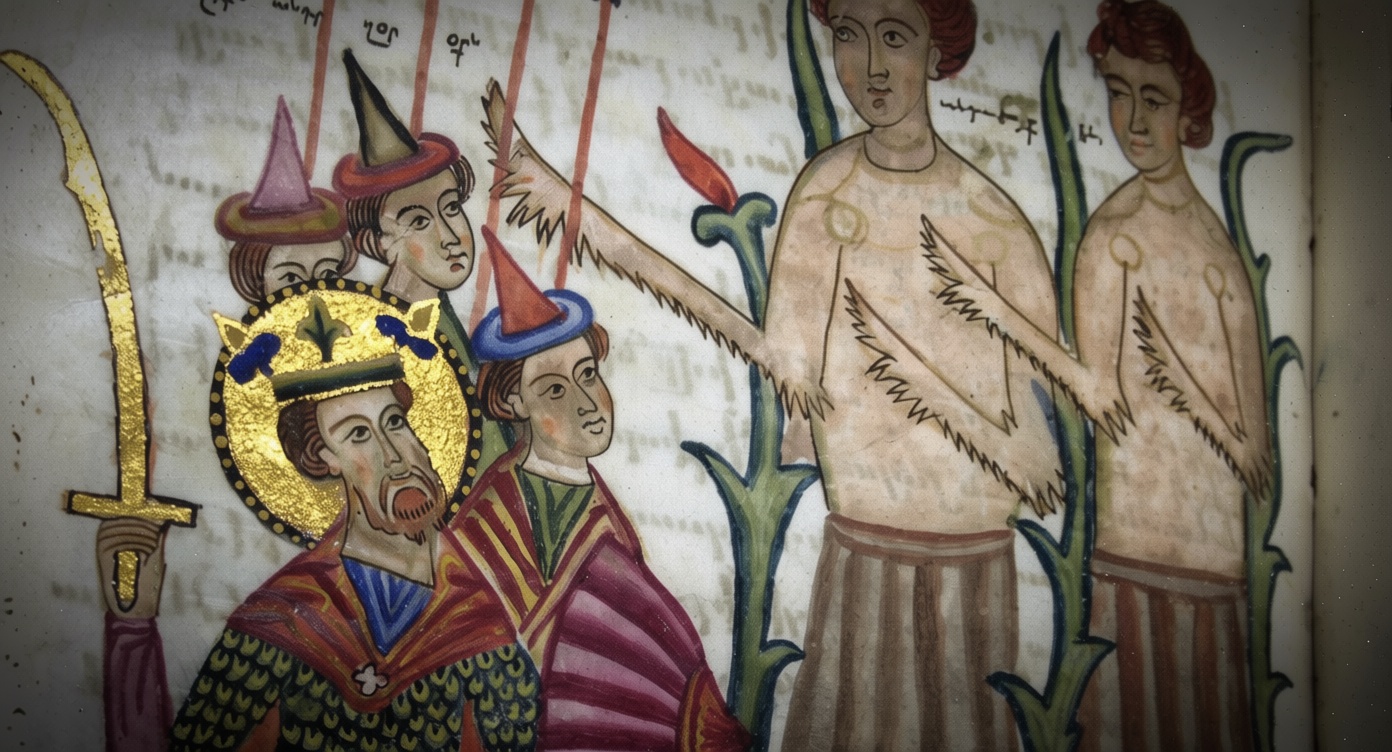
William of Newburgh’s Historia rerum Anglicarum (History of English Affairs) is one of the few contemporary works that mention revenants—bodies that return from the grave—in medieval England. Newburgh, writing in Latin, compiled a range of anecdotes that illuminate everyday beliefs about the supernatural. In his entry on the “British vampires,” he cites Stephen de Swafeld as the source for the Buckinghamshire episode, lending the story a veneer of ecclesiastical credibility. The original manuscript, preserved in the British Library, describes the deceased man as a “well‑respected” figure buried in an elaborate tomb on the eve of Ascension Day.
The Legend in Detail
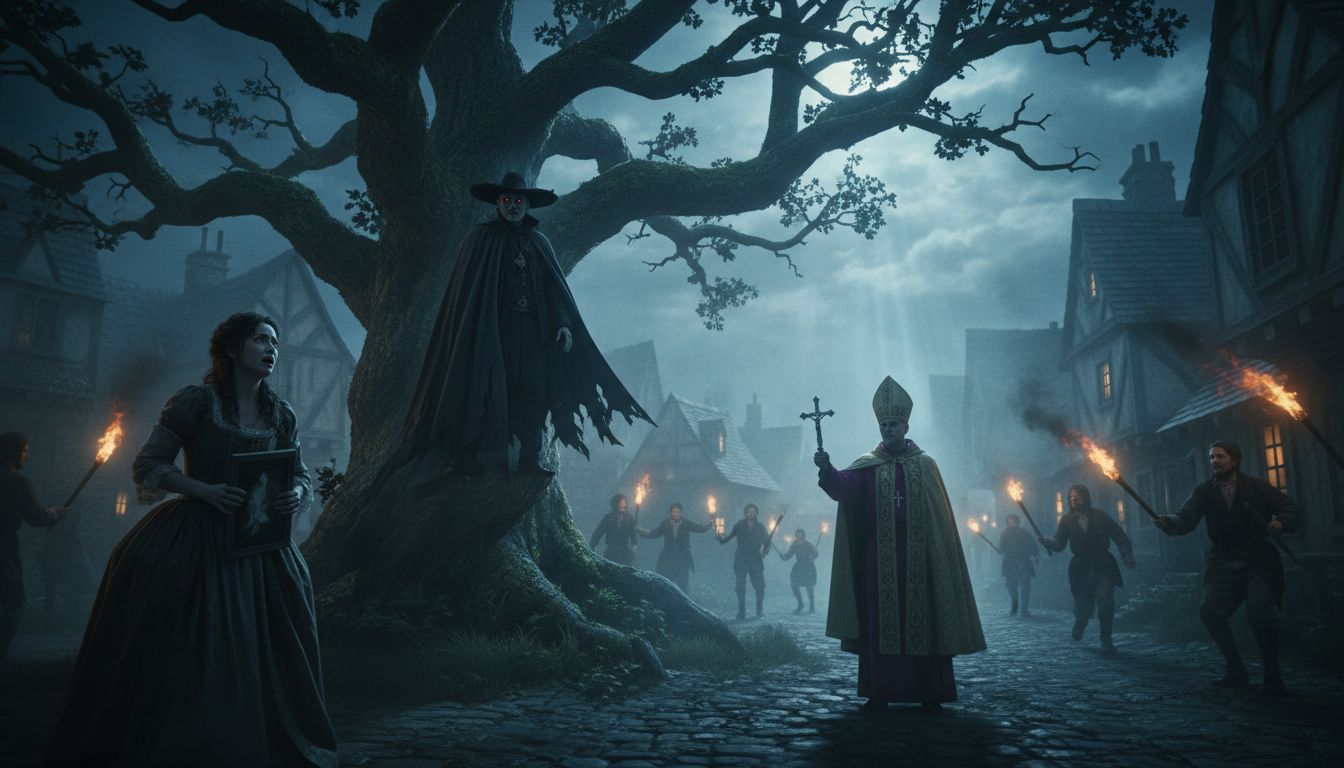
According to the Moon Mausoleum summary, the deceased gentleman’s widow awoke on the first night after burial to find a cold, lifeless figure—her husband—lying beside her, his eyes “dead” and his weight pressing her down. The account does not clarify whether the encounter was a night‑mare, a physical assault, or a symbolic paralysis, but it notes that the corpse retreated to its tomb at sunrise. The apparition reportedly returned on successive nights; on the third attempt the widow enlisted friends and family to guard her. When the revenant entered through a window, the protectors “chased him off with loud noises” into the surrounding fields, where he allegedly attempted to attack other townsfolk before being driven away.
Scholarly Interpretation
Modern folklorists view the Buckinghamshire story as part of a broader medieval pattern of “walking dead” narratives, which often served to explain unexplained deaths, disease, or social anxieties. Dr. Eleanor Hartley of the University of Oxford notes that “the emphasis on a burial in a tomb and the repeated nocturnal return aligns with contemporary concerns about improper interment and the sanctity of the grave.” The intervention of a bishop—mentioned in the article’s summary but not detailed in Newburgh’s original text—is interpreted by scholars as a narrative device reinforcing ecclesiastical authority over folk superstitions. Similar motifs appear in other English accounts, such as the 12th‑century tale of the “Glastonbury ghoul,” suggesting a shared cultural framework.
Contemporary Relevance
While the Buckinghamshire Vampire lacks the cinematic flair of later Gothic vampires, its resurgence highlights ongoing public fascination with medieval folklore. Local heritage groups have begun cataloguing such legends as part of Buckinghamshire’s intangible cultural heritage, and the story has sparked interest among paranormal investigators and historians alike. As the Moon Mausoleum article points out, “the legend, whispered among locals for generations, speaks of a malevolent revenant risen from its grave to prey upon the living.” By grounding the tale in primary medieval sources and contextual scholarly analysis, the piece offers a measured perspective that respects both historical authenticity and modern curiosity.