Overview
The narrow, cobbled alleys of Bern’s Nydegg district hide a story that stretches back more than eight centuries. Beneath the present‑day Nydegg Church once stood Nydegg Castle, a Zähringer stronghold that guarded the bend of the Aare River. While the stone walls have long vanished, local folklore keeps the memory alive through the Burgträppe‑Balzli – a ghost said to haunt the ruined stairway that once linked the castle’s Mattenenge to the Nydegghöfli. The legend, recorded in municipal archives and oral tradition, has become one of Bern’s most frequently cited hauntings, drawing both scholars and tourists to the site.
Historical Background
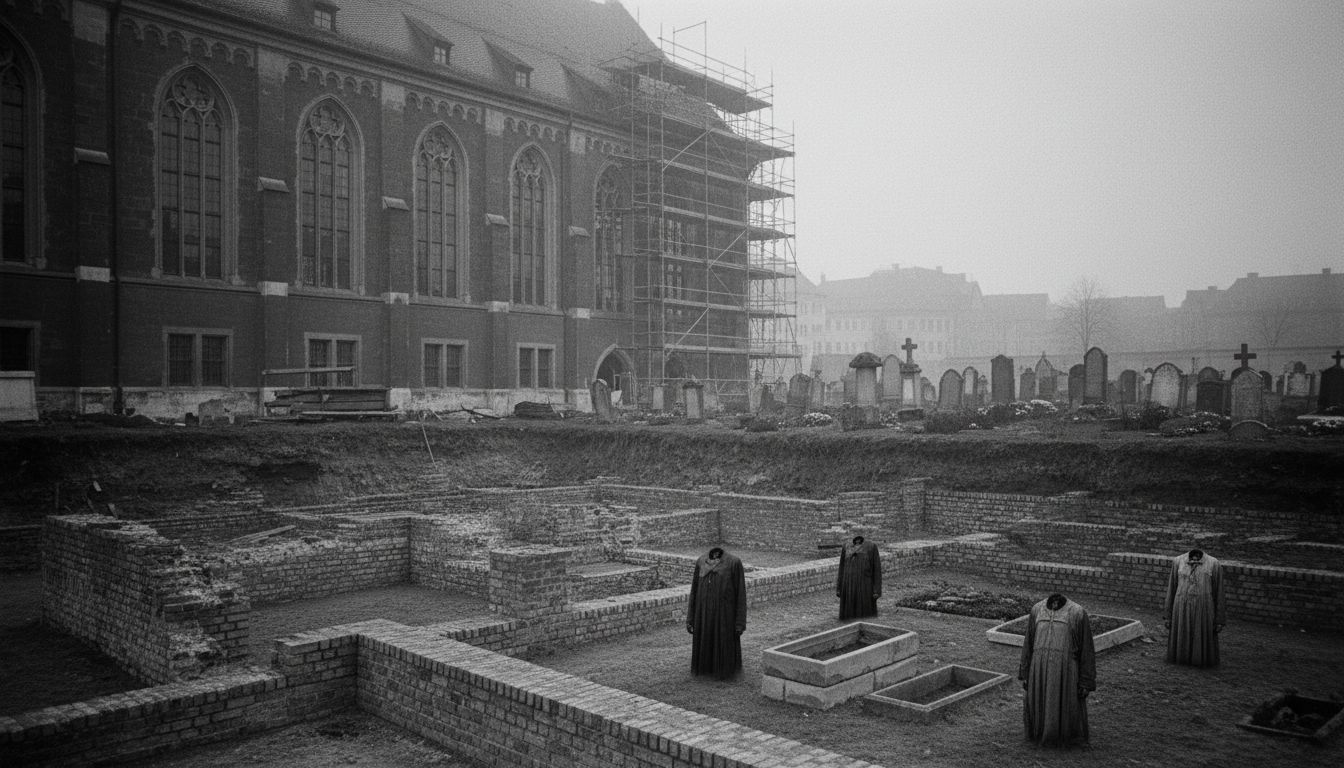
Nydegg Castle was erected in the second half of the 12th century by Berchtold IV of Zähringen, marking the eastern edge of what is now known as the Zähringerstadt, Bern’s oldest neighbourhood. Contemporary chronicles describe a modest fortification that was expanded in the early 13th century, possibly reaching as far as today’s Kreuzgasse. By 1268 the castle met a “mysterious and decisive end,” a phrase that reflects the scant documentation of its demolition. A charter dated 16 January 1274 records King Rudolf I of Habsburg formally forgiving Bern for the destruction, which was carried out to prevent rival noble claims after the Zähringen line fell. Within a few decades, the castle’s footprint gave way to residential workshops, water‑powered mills, and, ultimately, the Nydegg Church that dominates the skyline today.
The Legend of Burgträppe‑Balzli
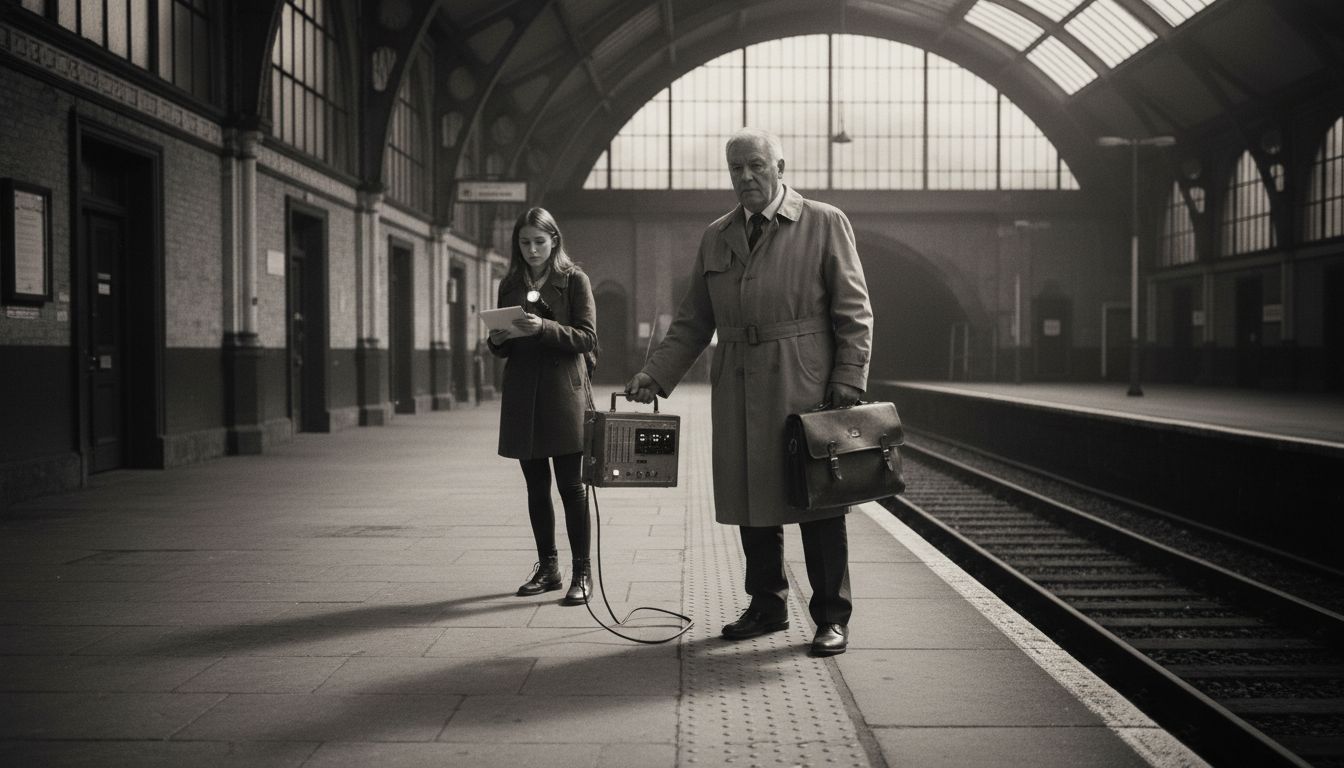
According to long‑standing local accounts, the Burgträppe‑Balzli is no ordinary specter. The name combines “Burgträppe,” the historic stairway that once ascended the castle’s outer wall, with “Balzli,” a diminutive term for a mischievous or malevolent spirit in Swiss German folklore. Residents describe the ghost as “strange, bitter, and even violent,” warning that anyone who lingers too long on the remnants of the stairway may feel an icy draft or hear the clatter of unseen footsteps. “When I was a child, my grandmother would pull me away from the old stone steps, saying the Balzli would ‘drag you down to the ruins where the castle fell’,” recalls 71‑year‑old Bern native Marta Keller, a lifelong Nydegg resident. Folklorist Dr. Lukas Meier of the University of Bern notes that the tale likely evolved from medieval warnings about unsafe ruins, later embellished by the Romantic era’s fascination with the supernatural. “The Burgträppe‑Balzli serves as a cultural memory of a lost fortification, personified in a way that resonates with communal identity,” he explains.
Contemporary Perspectives
Today the legend is woven into Bern’s heritage tourism. The city’s tourism office lists the “Burgträppe‑Balzli walking tour” among its autumn attractions, offering guided visits that combine historical facts with the ghost story. “We present the narrative responsibly, emphasizing the documented history of Nydegg Castle while acknowledging the folklore that enriches the visitor experience,” says Sofia Weber, spokesperson for Bern Tourism. Academic interest remains robust; a recent study published in Swiss Historical Review examined how such legends influence urban memory, concluding that “the Burgträppe‑Balzli exemplifies the interplay between tangible heritage and intangible cultural narratives.” Nonetheless, local authorities caution against trespassing on unstable sections of the old stairway, which have been partially reinforced but still pose safety risks.
Preservation and Outlook
Efforts to preserve the physical remnants of Nydegg Castle are ongoing. The Bern Historical Society, in partnership with the municipal heritage department, has installed discreet lighting and informational plaques near the Nydegg Church to mark the former castle’s outline. These measures aim to protect the site while providing context for both scholars and casual visitors. As the city balances modernization with reverence for its past, the Burgträppe‑Balzli remains a compelling reminder that history can haunt the present—not through malevolent forces, but through the stories communities choose to tell.