Overview
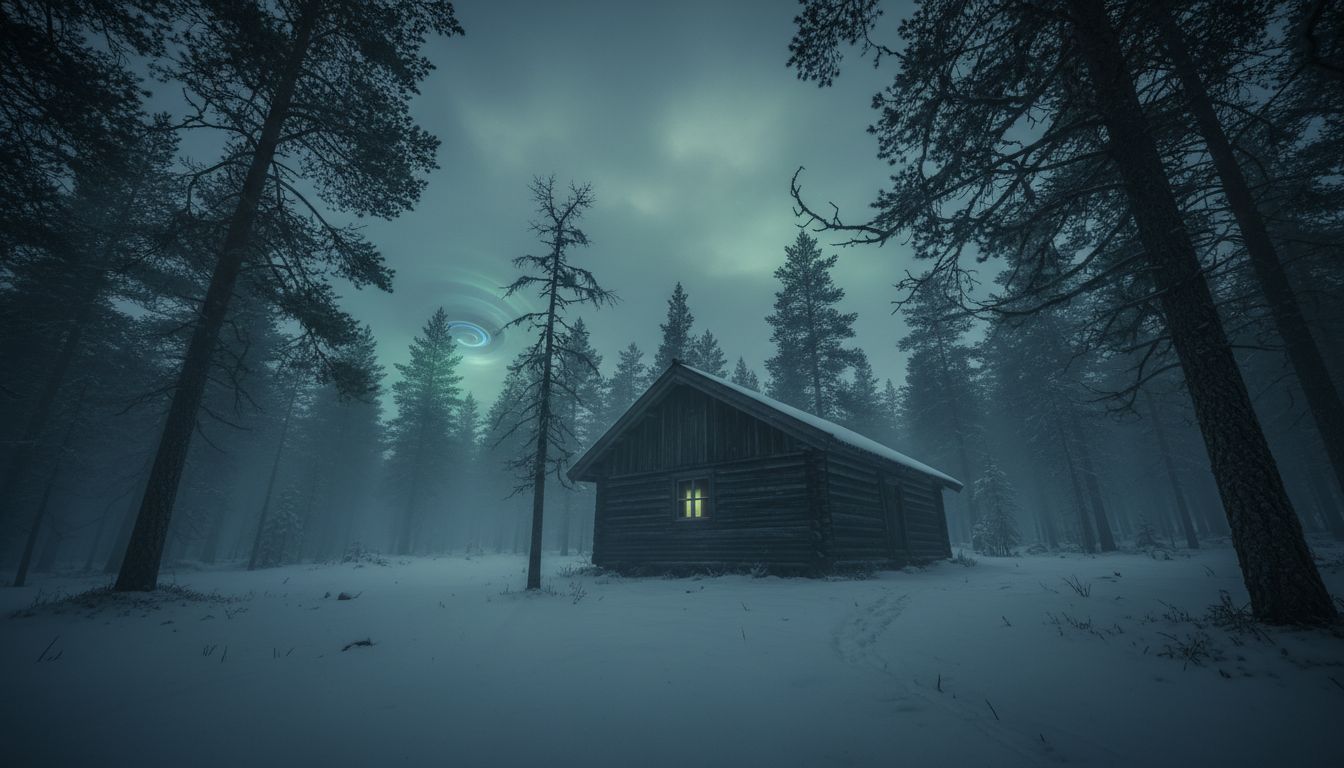
Deep in Finnskogen, the wooded borderland between Norway and Sweden, the DNT cabin Flisberget has developed a reputation that goes far beyond its role as a simple hiking shelter. Operated by the Norwegian Trekking Association, the cabin is described by supporters as peaceful and accessible, with a clear path that makes it suitable even for families with children. Yet in local folklore and visitor accounts, Flisberget has also become known as “the scariest cabin in the country,” a place where the forest seems to take on a more unsettling character after dark.
By daylight, the setting is strikingly ordinary: a welcoming wooden cabin, smoke rising from the chimney, and moss-covered stones beneath the pines. But as evening falls and the trail goes quiet, the atmosphere shifts. Visitors and overnight guests have described a pervasive sense that someone is near the tree line, just out of sight, and that the surrounding woods are somehow observing those inside.
A Cabin Rooted in Forest Finn History
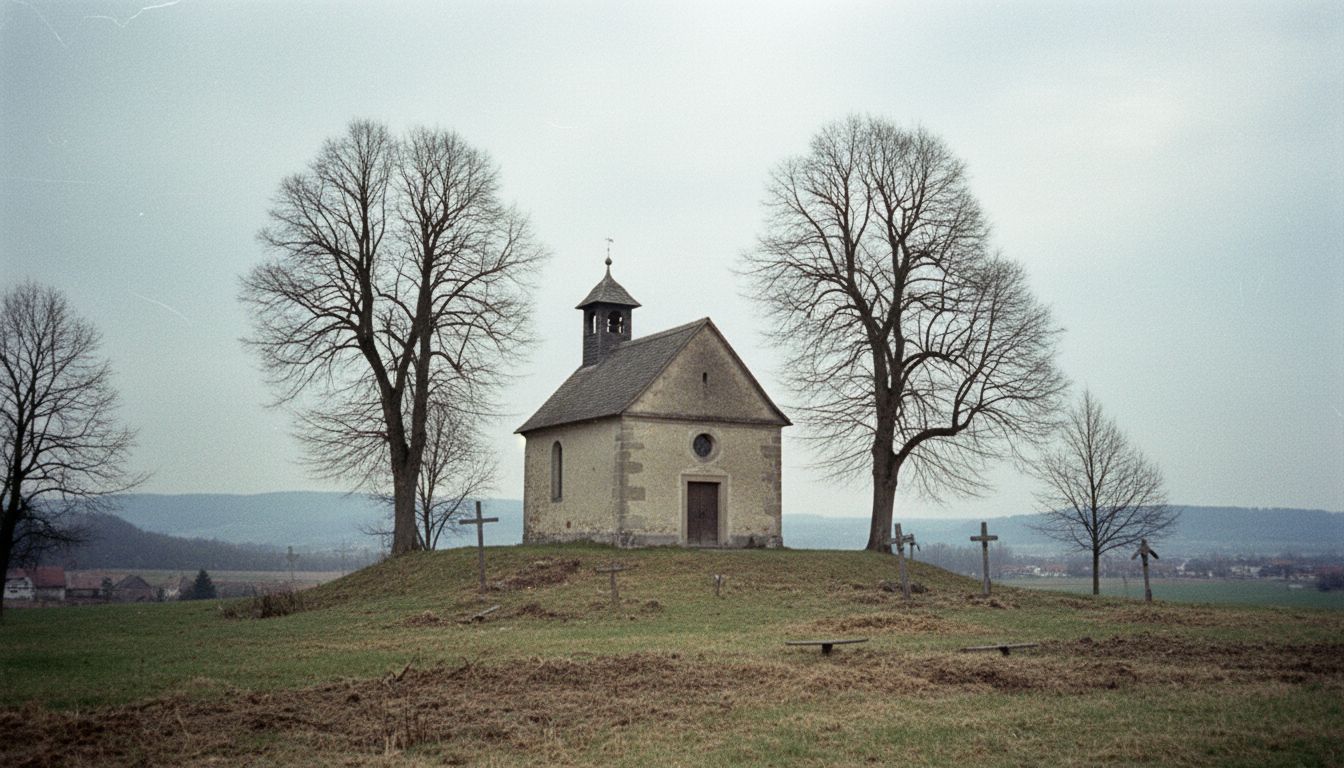
The cabin stands on an old Forest Finn farm, tying it to a long and distinctive cultural history. The Forest Finns were settlers from Finland who moved into the region centuries ago, bringing with them their own customs, language, and traditions tied to the forest. That cultural distance helped shape how nearby Norwegian communities viewed Finnskogen: not simply as wilderness, but as a place associated with mystery, superstition, and older belief systems.
According to the source material, the first known residents of Flisberget, then called Ulvimäki, lived there in 1703, though some local accounts suggest the site may have been used as a farm even before the Black Plague. Permanent habitation continued until 1973, and the present farmhouse dates to around 1850. That layered history gives the site unusual depth, with the cabin serving as both a practical shelter and a living remnant of Forest Finn heritage.
Stories From the Night
The legends attached to Flisberget are less about dramatic apparitions than about persistent, difficult-to-explain sensations. Guests have reported footsteps circling the cabin, the sound of movement among the trees when no animal is visible, and single knocks that are never repeated. Others say the cabin’s wooden walls creak as though responding to invisible pressure, or that sleep becomes difficult because of the strong feeling of not being alone.
Some of these impressions are reflected, albeit in lighter language, in guest book entries. Visitors have written that there is “a lot of good in the walls here” and that the site holds “a special peace.” Those comments suggest that Flisberget is not uniformly experienced as frightening; rather, it seems to provoke a wide range of reactions, from comfort and calm to unease and watchfulness.
Folklore, Magic, and Local Reputation
The cabin’s darker reputation has also been shaped by its appearance in writing about Finnskogen and magic, known in Norwegian as trollskap. The source references stories involving trollkjella, though it stops short of fully explaining the term, reflecting the broader way local folklore often leaves room for interpretation. In that sense, Flisberget sits at the intersection of history, oral tradition, and landscape—an environment where ordinary sounds can easily take on extraordinary meaning.
For visitors, the cabin remains a functioning part of Norway’s outdoor network. For storytellers and folklore enthusiasts, however, it has become something more: a symbol of the way a forested place can accumulate memory, rumor, and unease over generations. Whether read as a haunted site or simply as a cabin with a powerful atmosphere, Flisberget continues to embody the enduring human tendency to imagine that the forest is watching back.