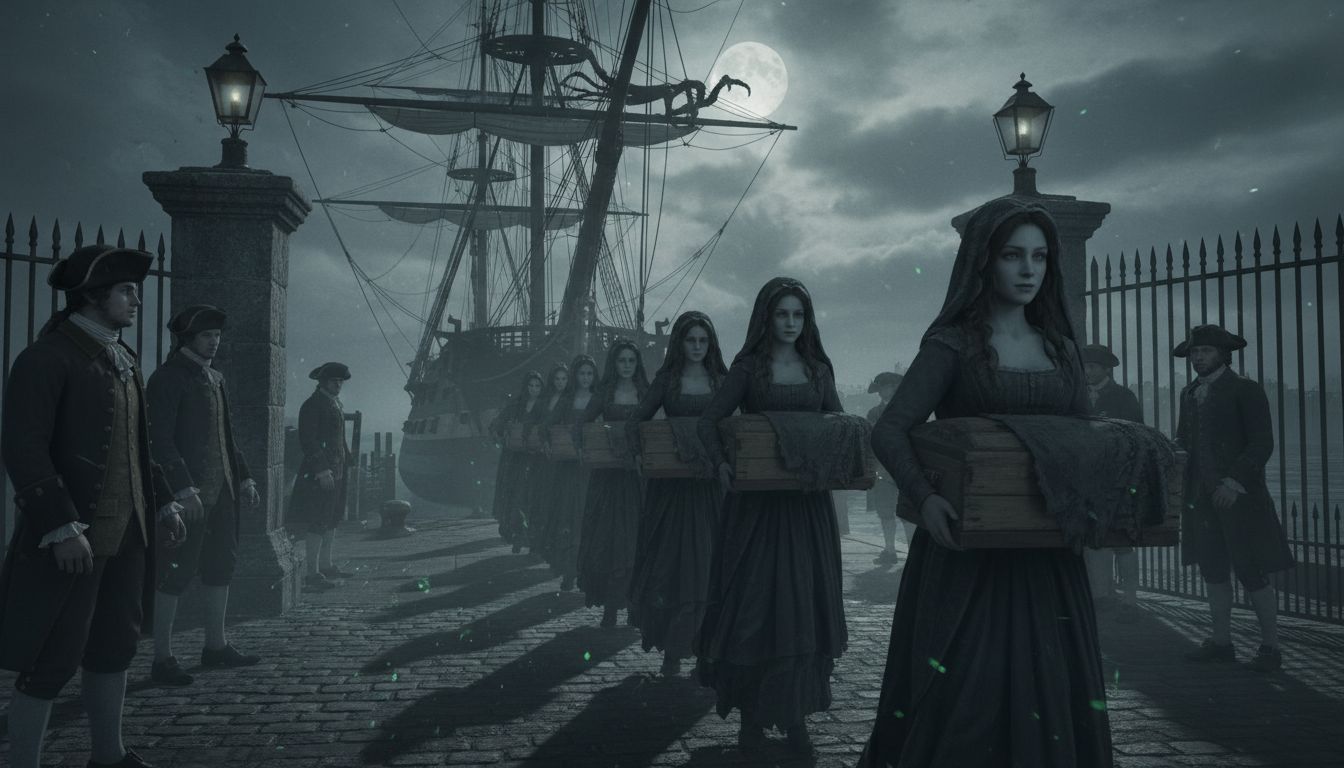
The story of the “Casket Girls” – Les Filles à la Cassette – has resurfaced this week as historians and paranormal researchers alike revisit the 18th‑century practice of sending French mail‑order brides to the fledgling colony of New Orleans. Archival documents from the French Ministry of Marine confirm that, beginning in the 1720s, the crown organized shipments of young women from convents and orphanages to “civilize” the settlement and curb the demographic drift toward a mixed‑race population. As Commissary Jean‑Baptiste Dubois Duclos warned in a 1732 dispatch, “if no French women come to Louisiana, the colony would become a colony of mulâtres.” The women travelled in small trunks – the “cassettes” that gave the legend its name – and were expected to marry settlers, bear children, and reinforce the French cultural foothold along the Mississippi.
The official purpose of the program, however, has become entangled with folklore that paints the arrivals as anything but ordinary brides. Contemporary newspaper reports from the period are scarce, but later 19th‑century accounts, such as the 1868 memoir of Creole merchant Antoine Boudreaux, describe the women as “pale, with blood‑shot eyes,” a phrase that has been repeated in modern retellings. By the early 20th century, the narrative had shifted dramatically: local storytellers began linking the Casket Girls to vampirism, suggesting that the women, isolated and traumatized by the transatlantic journey, turned to blood‑drinking to survive. The motif of a coffin‑bound ending – a recurring image in New Orleans ghost tours – appears to be a later embellishment, likely inspired by the city’s famed cemeteries and the popularization of gothic romance in the 1920s.
Scholars of French colonial history caution against accepting the vampire legend at face value. Dr. Lucille Marceau, a professor of early modern French studies at Tulane University, notes that “the primary sources – shipping manifests, marriage registers, and parish records – list roughly 150 women who arrived between 1725 and 1740, most of whom married within a year and had children who survived into adulthood.” She adds that the “vampire” element mirrors a broader pattern in which European anxieties about the unknown were projected onto immigrant groups, especially women who defied conventional gender roles. The fear that these brides might become “prostitutes,” as some colonial officials later recorded, likely morphed into more sensational supernatural explanations as oral histories were passed down through generations.
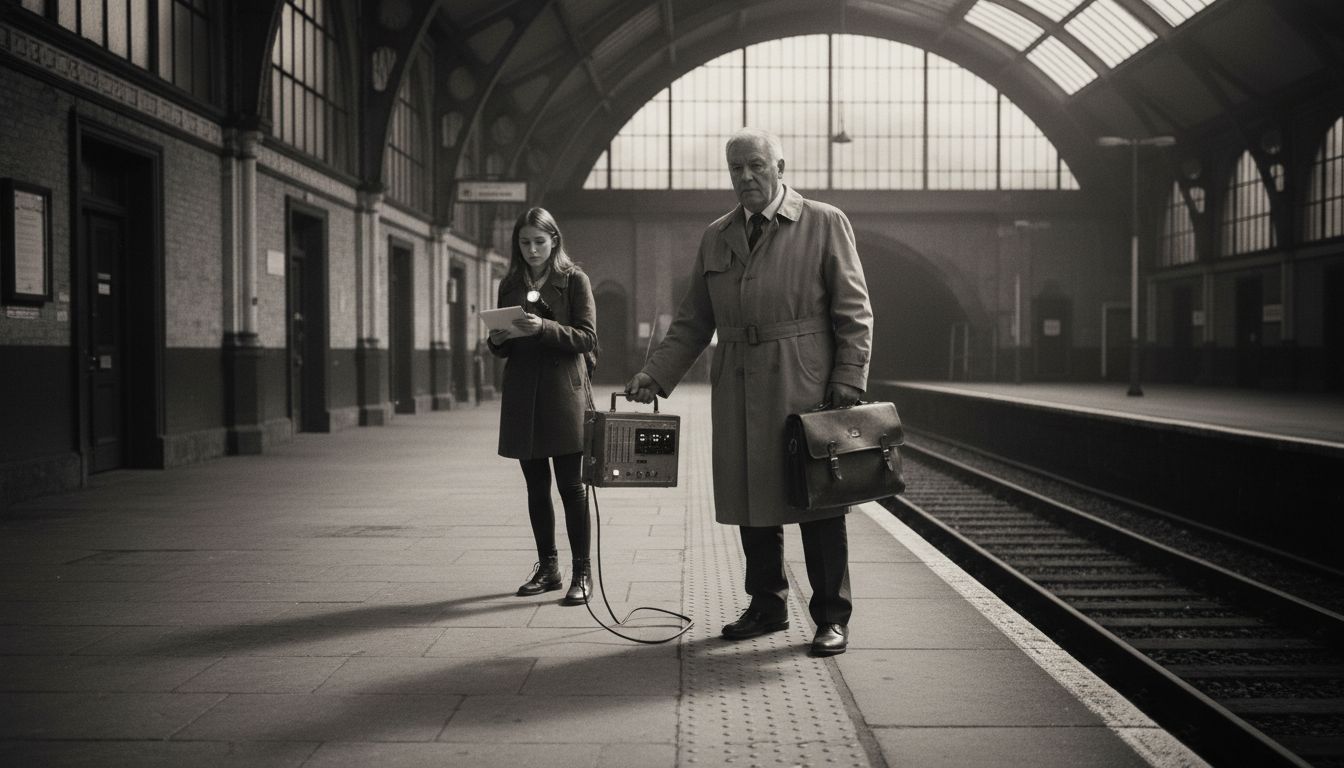
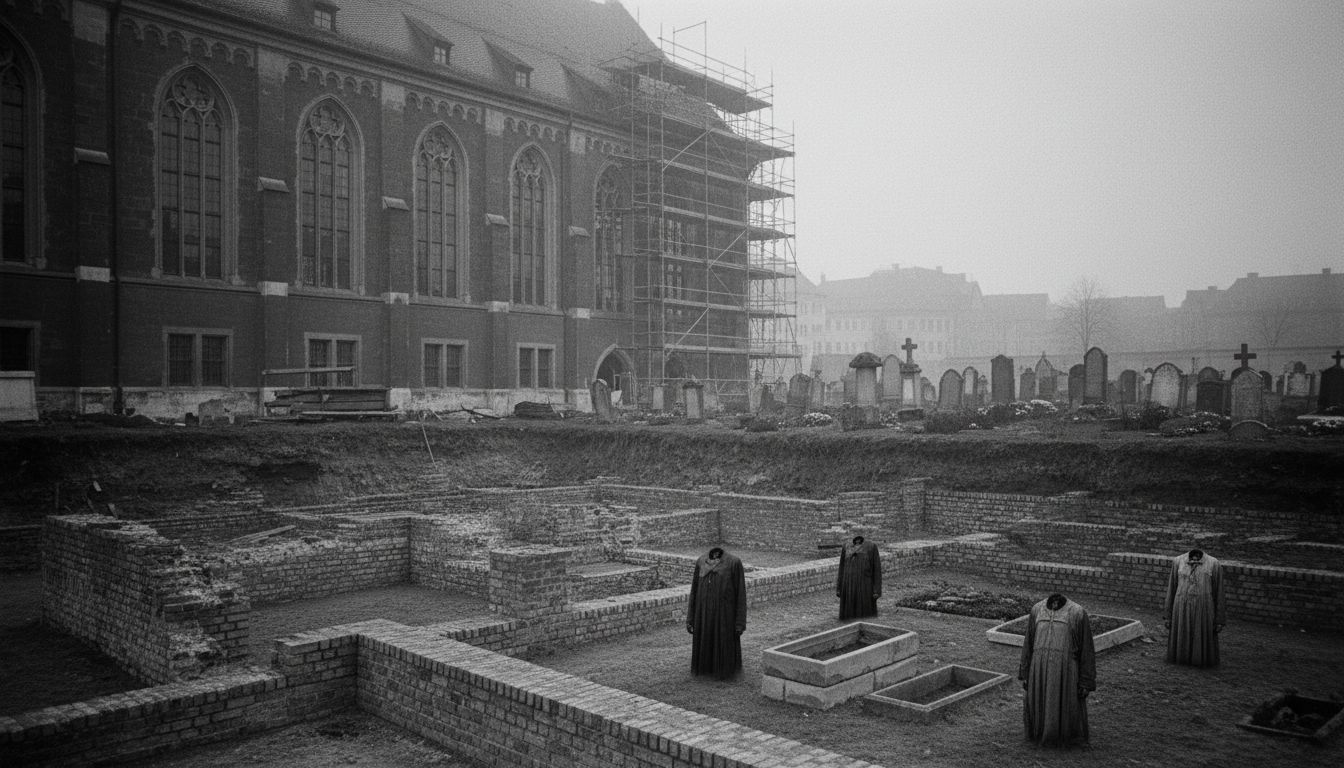
The legend persists in the French Quarter’s contemporary tourism and paranormal scene. Guided tours now include stops at the historic St. Louis Cemetery, where “ghostly whispers” are said to emanate from the burial sites of the Casket Girls. Paranormal investigator Marcus LeBlanc, who recently conducted a night‑time sweep with infrared cameras, reported “unexplained temperature drops and fleeting shadows near the old river dock where the women are believed to have disembarked.” While LeBlanc refrains from labeling the phenomena as evidence of vampirism, he acknowledges that the “collective memory of the Casket Girls” fuels a palpable sense of unease among visitors.
In sum, the Casket Girls occupy a liminal space between documented colonial policy and the mythic imagination of New Orleans. The historical record confirms a deliberate effort by the French crown to import European women to stabilize the colony, yet the paucity of personal narratives from the women themselves leaves ample room for speculation. As the city continues to market its haunted heritage, the tale serves both as a reminder of the human cost of empire and as a testament to how folklore can transform ordinary migration into enduring legend.