Overview
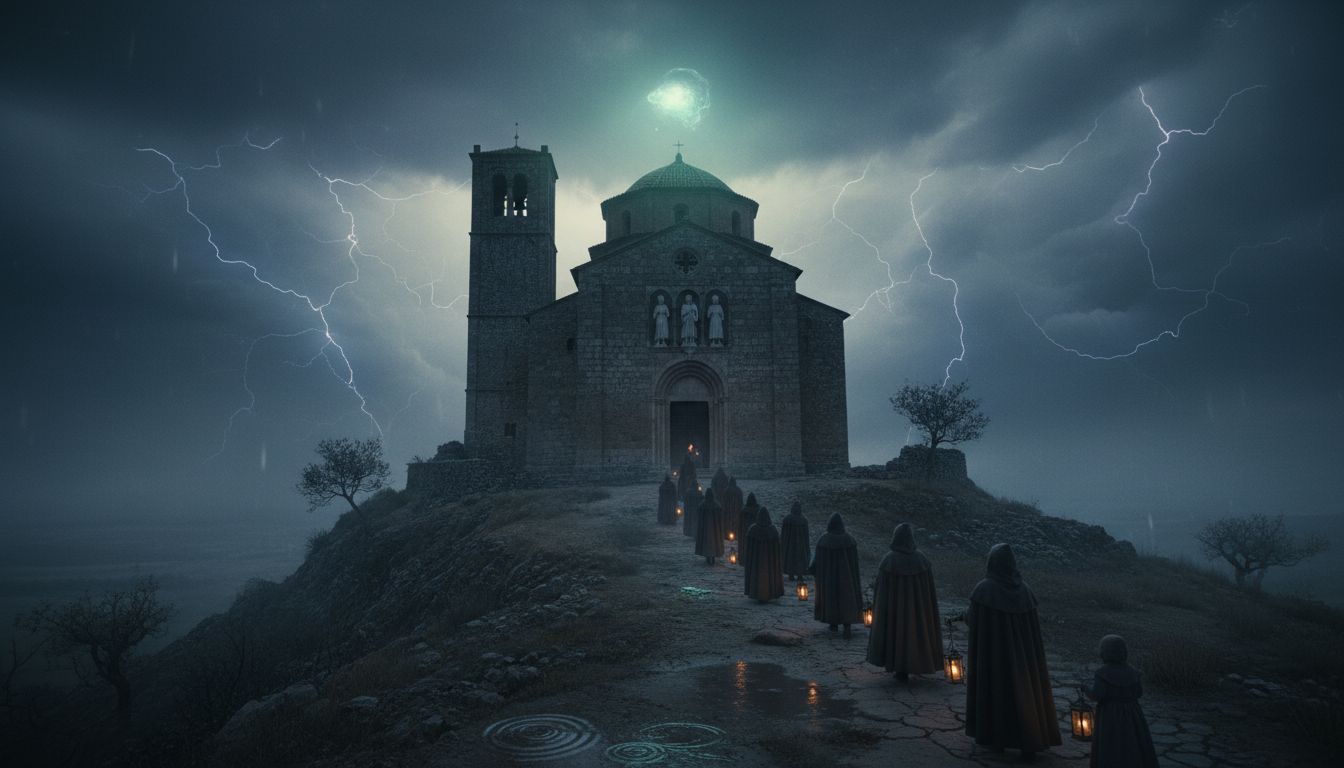
Nestled on the wooded Hill of the Dead near the Swiss‑Italian border, the Church of San Giuseppe—also known as the Sanctuary of Somazzo—has long drawn visitors seeking its reputed ability to summon rain during droughts. The modest stone church sits just outside Brusata, in the municipality of Novazzano, where the verdant landscape of Ticino meets the rustic terrain of Lombardy. While its exterior blends seamlessly with other rural chapels, the sanctuary’s reputation as a place where “rain still falls” has turned it into a focal point for a unique pilgrimage that spans both sides of the border.
Historical Roots
The current structure expands on an earlier oratory dedicated to San Cassiano, documented as early as 1423. Records from a 1671 episcopal visit refer to the site as the “Oratorio delle Anime Purganti,” indicating a historic dedication to souls in purgatory. Between the 17th and 20th centuries, hermits settled in the surrounding woods, reinforcing the area’s reputation as a place of contemplation and seclusion. Architectural analysis shows that the 19th‑century enlargement incorporated the original nave, preserving medieval stonework that still bears the faint inscription “To keep faith with the husband,” a phrase tied to the later legend.
The Legend of the Three Girls
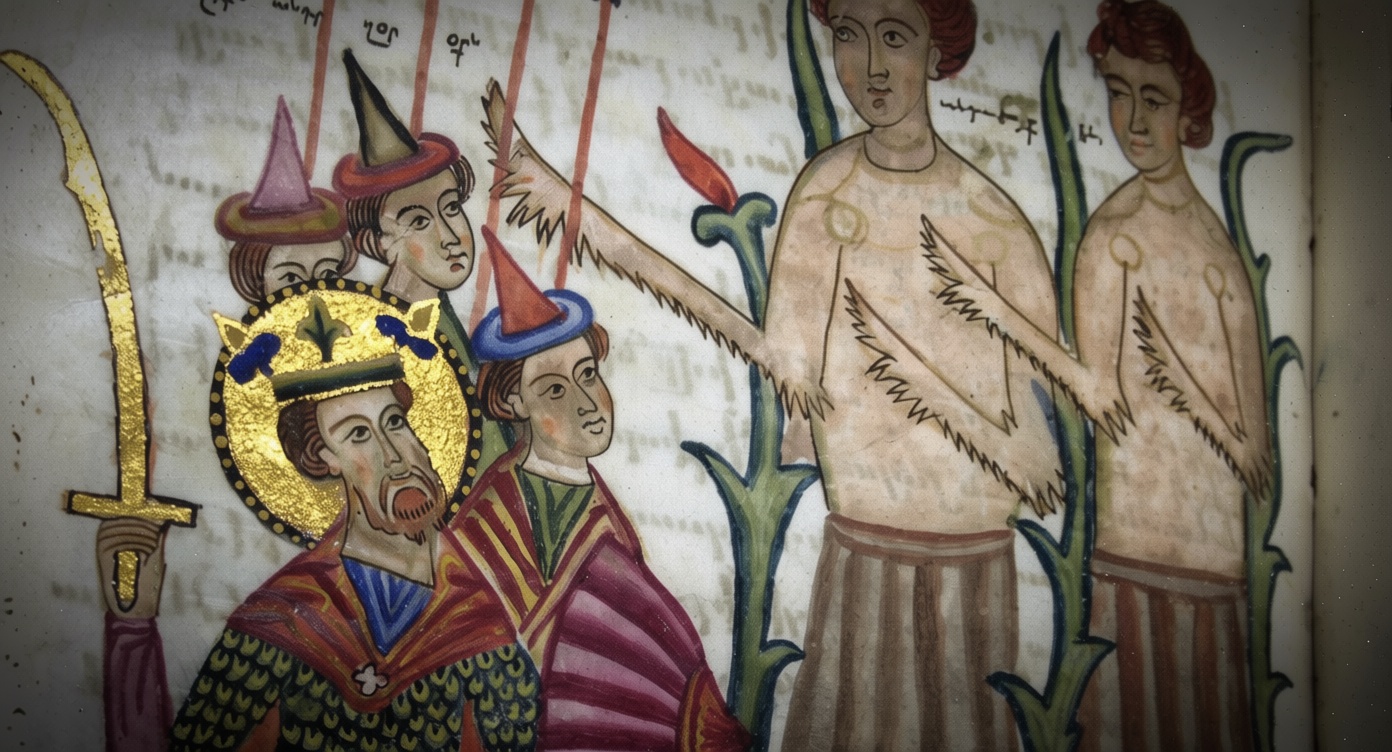
According to oral tradition, the sanctuary hides a tragic story that resurfaces during periods of drought. The tale recounts that three young girls were walled alive on the north side of the church—either because they resisted a local lord’s advances or to preserve their marital fidelity, as the wall inscription suggests. A kiln worker from nearby Riva San Vitale allegedly heard their muffled cries, slipped water to them through small holes, and was granted a prophecy: “When you are thirsty, come to us and we will quench your thirst.” This promise forms the core of the rain‑calling ritual that persists today.
Contemporary Pilgrimage
Each spring and summer, especially when the Po‑Ticino basin experiences prolonged dryness, farmers and villagers from both Italy and Switzerland ascend the hill, often carrying candles and reciting prayers addressed to the three girls. Local resident Marco Bianchi, a third‑generation vineyard owner, told our correspondent, “We come here when the vines are wilting; the moment we finish the prayer, clouds gather, and the rain comes within an hour.” While scientific verification remains absent, the pattern of post‑prayer showers has been noted by regional meteorological stations, prompting a modest increase in visitor numbers over the past decade.
Scholarly Perspective and Preservation
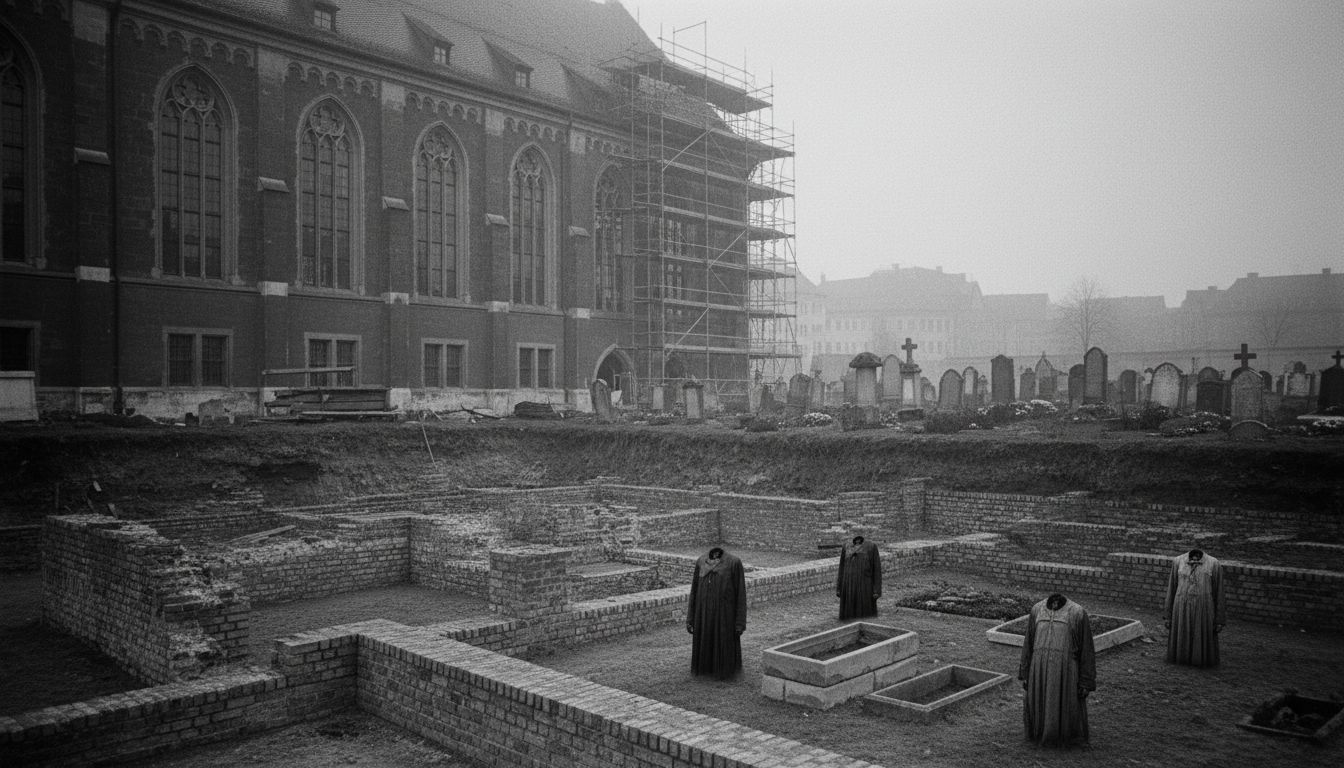
Cultural anthropologists view the Sanctuary of Somazzo as a vivid example of syncretic folk belief, where Catholic devotion intertwines with pre‑modern agrarian rites. Dr. Elena Rossi of the University of Lugano explains, “The rain‑calling narrative reflects a community’s attempt to negotiate control over an unpredictable environment, using the sacred space as a conduit for hope.” Preservationists are concerned that rising foot traffic could strain the fragile 15th‑century masonry. Local authorities have therefore initiated a conservation plan that includes guided tours, informational signage, and limited access during peak pilgrimage periods to safeguard both the structure and the intangible heritage it embodies.