Overview
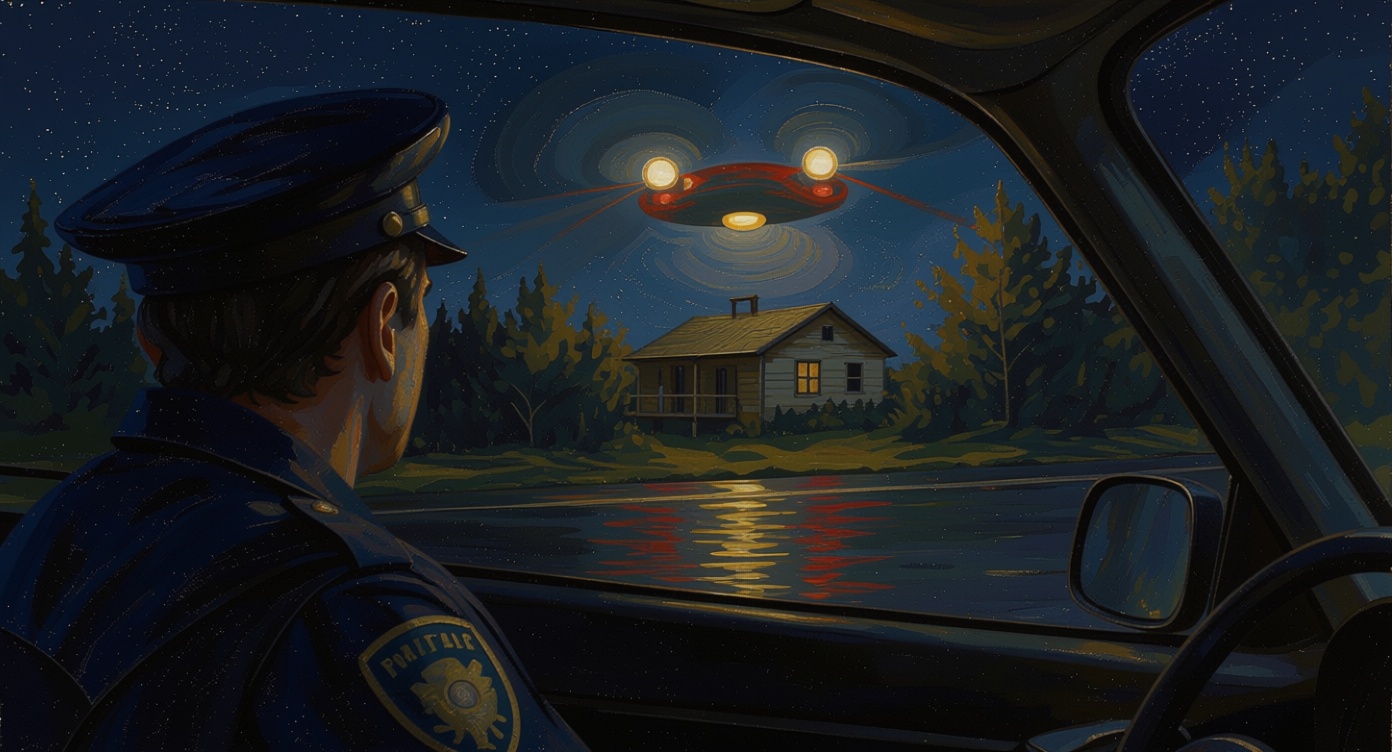
Dr. Garry Nolan, a prominent Stanford University professor and acclaimed biomedical researcher, has found himself at the crossroads of mainstream science and the controversial field of unidentified aerial phenomena (UAP). In a recent interview, Dr. Nolan discussed his extensive work analyzing purported alien materials and investigating mysterious injuries sustained by intelligence officers, some of which were facilitated by the Central Intelligence Agency (CIA).
Unexplained Injuries and CIA Involvement
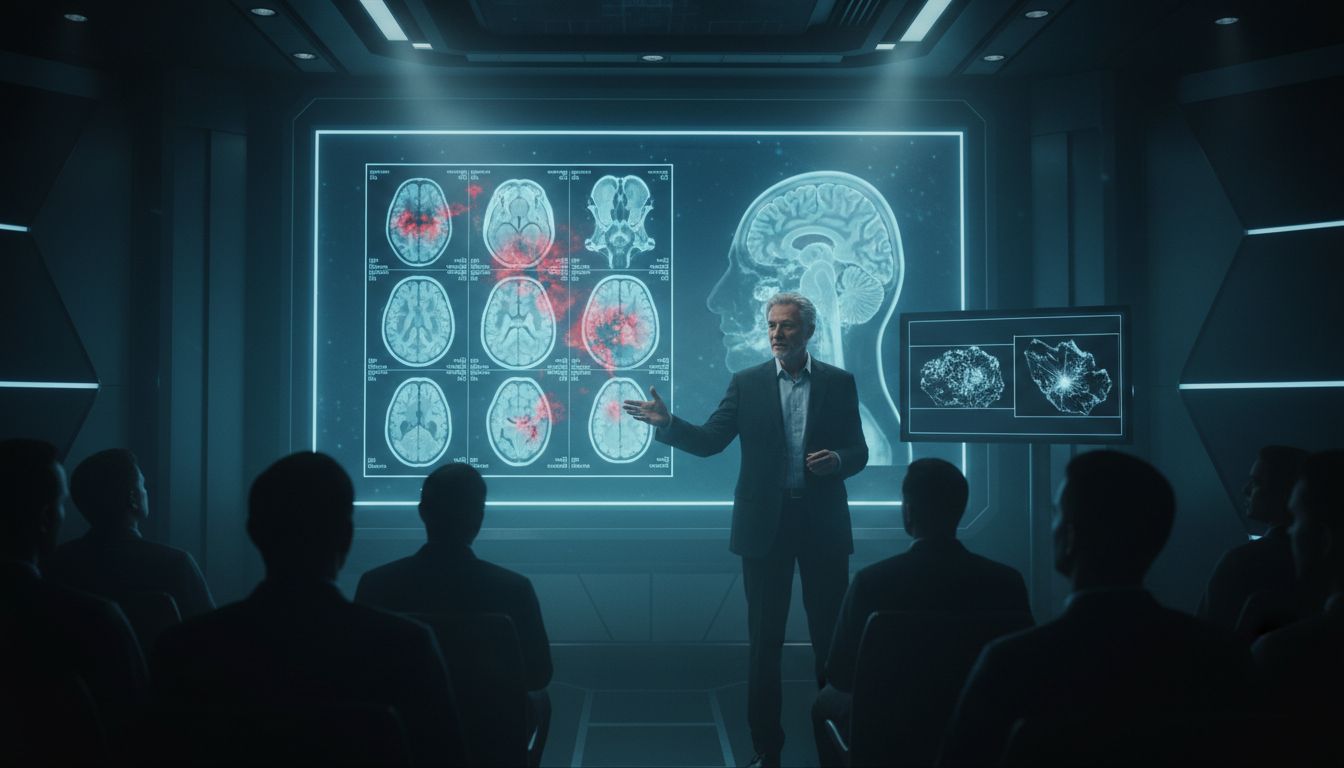
Dr. Nolan recounted a striking encounter with the CIA: “A representative of the CIA came to my office unannounced and said some of our diplomatic core intelligence officers were getting sick. They showed me MRIs and X-rays. Areas of their brains had just been fried.” According to Nolan, these individuals had reportedly interacted with UAPs prior to developing neurological symptoms. The brain damage observed was severe and localized, particularly in regions associated with intuition, resembling the effects of directed energy weapons.
Nolan emphasized that the phenomenon was not merely conjecture. “I actually went out and interviewed the medical team,” he said, underscoring his hands-on approach. The suggestion that these injuries could result from electromagnetic or unknown physics-based technology raises profound questions about both national security and the scientific understanding of UAP.
Material Analysis and Scientific Rigor
Beyond medical investigations, Dr. Nolan’s laboratory has become a destination for the analysis of alleged extraterrestrial artifacts. He has examined materials linked to famous incidents such as Roswell and Ubatuba, using state-of-the-art techniques to analyze their composition. “His laboratory has the sophistication to be able to analyze, date, and fully quantify what material is what,” noted the interview hosts.
Nolan reported finding unusual isotope ratios and microstructures in some samples—characteristics that deviate from current human technology. While he stops short of declaring these materials extraterrestrial, he stresses the importance of letting empirical data guide conclusions. “He teaches us the difference between belief and hope and data when it comes to understanding unexplained phenomenon,” the hosts observed, capturing Nolan’s commitment to scientific objectivity.
The Sol Foundation and Institutional Challenges
Recognizing the need for multidisciplinary research and credible discourse, Dr. Nolan co-founded the Sol Foundation. The organization convenes experts from academia, government, and various scientific fields to rigorously investigate UAPs. Despite his credentials—over 50 US patents and nearly 400 published papers—Nolan has encountered institutional resistance. He describes pushback from intelligence officials who insist, “Oh, that’s impossible. We don’t have anything like that,” when confronted with evidence of advanced technologies affecting military equipment and personnel.
This resistance, Nolan suggests, hinders the pursuit of knowledge and effective policy. He advocates for open-minded, evidence-based inquiry: “There must be a way to find it,” he said, referencing both the quest for scientific truth and his own childhood experiences that inspired his lifelong curiosity.
Conclusion
Dr. Garry Nolan’s work sits at the intersection of advanced biomedical research and the enduring mystery of UAPs. By applying rigorous scientific methodology to both physical materials and the study of human injuries, Nolan seeks to separate fact from fiction in a field often mired in speculation. His efforts, including the founding of the Sol Foundation, represent a growing movement towards evidence-based discourse on phenomena that could have far-reaching implications for science and security alike.