Overview
On February 12, 2026, the investigative series “The Clearview Rocky Mountain Ranch Case” released its twelfth and final episode, titled “Trust, Interceptors, and the End of the APRO Report.” The 23‑minute, 57‑second segment concludes a months‑long deep dive into one of the most detailed civilian‑led UAP investigations in recent history. Hosted by veteran researcher Mike Harris, the episode synthesizes witness testimony, newly released footage from a nearby aircraft boneyard, and excerpts from the late R. L. Sprinkle’s file archive, all while addressing the “trust” factor that has long hampered the case’s progress.
Trust and the Witness‑Community Gap
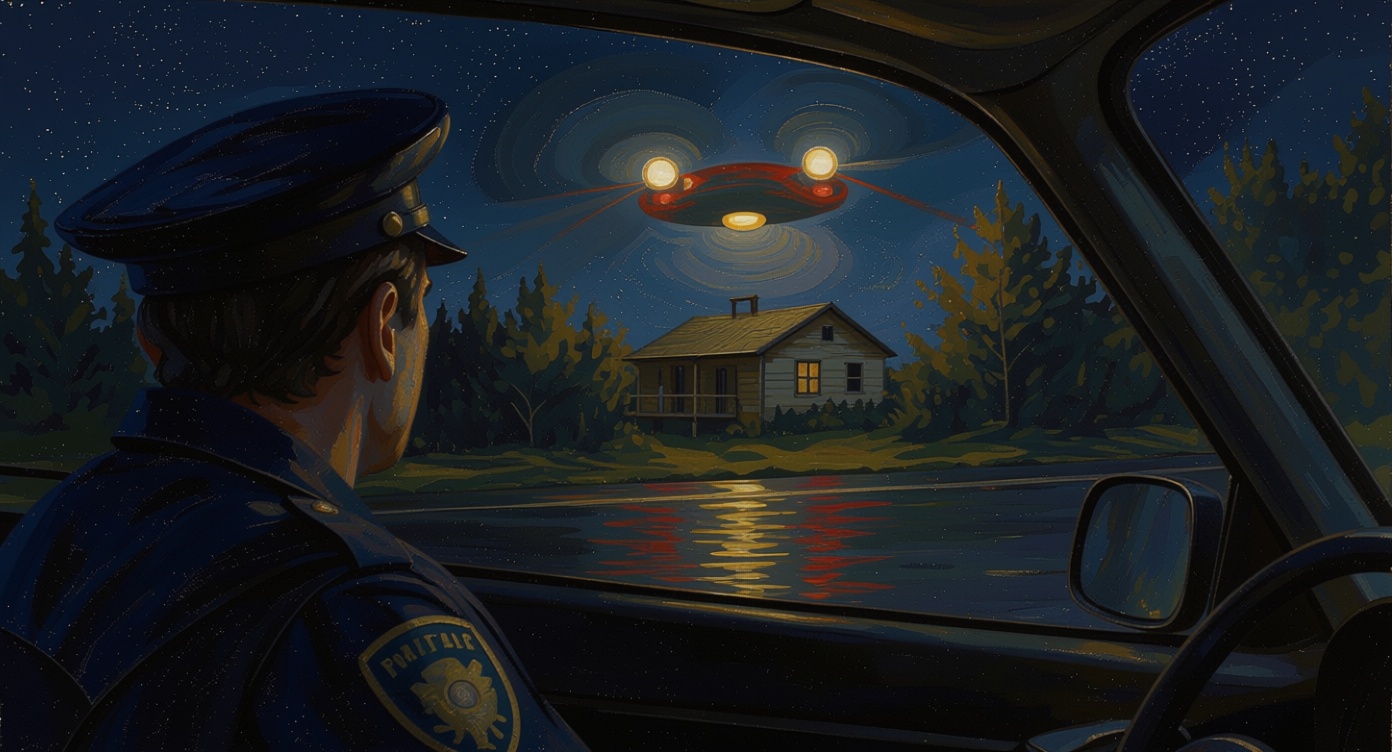
A central theme of the final installment is the fragile trust between civilian investigators and eyewitnesses. Harris notes that “many of the ranch’s former staff and local residents have been reluctant to speak openly because of past experiences with media sensationalism and the military’s opaque handling of the incident.” The episode references a handwritten letter from R. L. Sprinkle—an early‑1970 sight‑sight file keeper—where he wrote, “Without mutual trust, any collection of data will be incomplete, and the truth will remain elusive.” The host argues that this mistrust has not only delayed the release of critical evidence but also fostered a “culture of silence” that the APRO (American Phenomena Research Office) struggled to penetrate.
Military Interceptors and the Boneyard Video
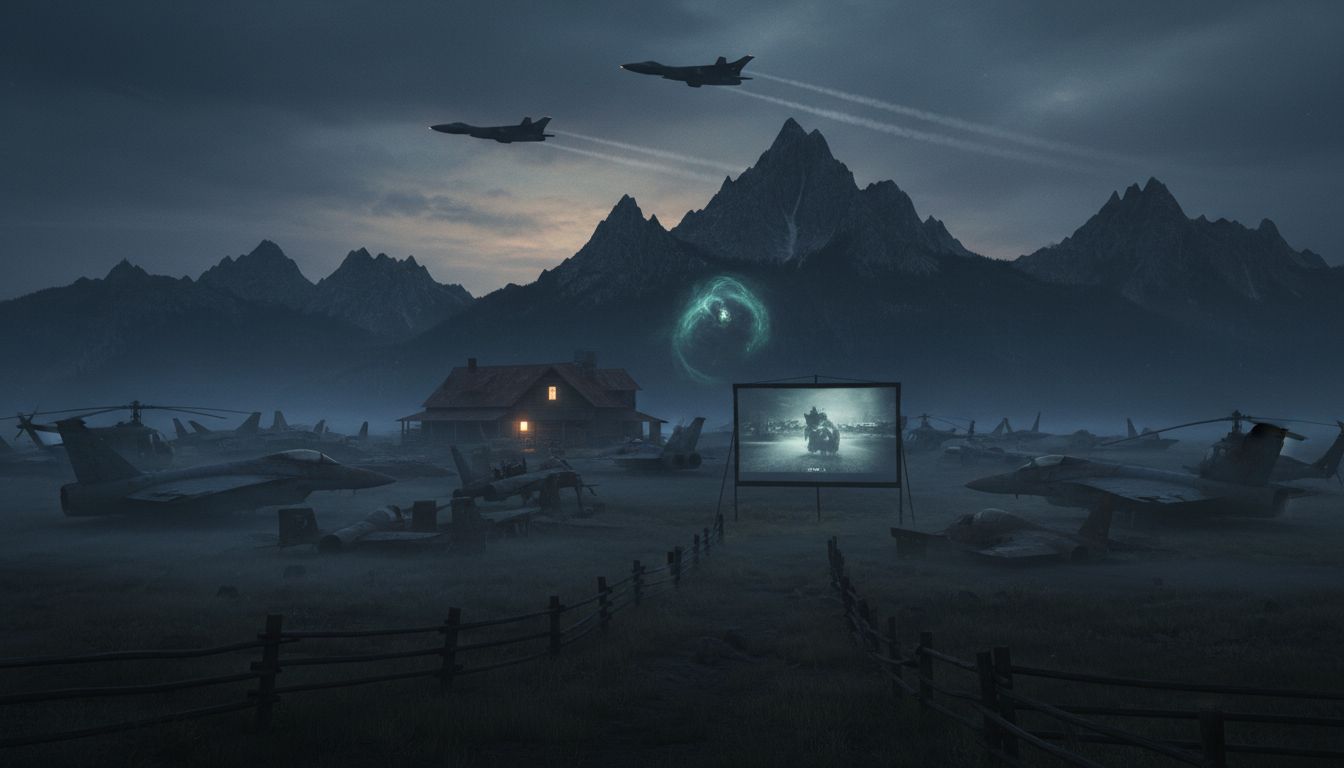
The most tangible new evidence presented in Part 12 is a video captured at a military aircraft “boneyard” located within a 15‑mile radius of the Clearview property. The footage, released for the first time during the episode, shows a pair of F‑15E “Eagle I” aircraft performing a rapid climb and loiter pattern that coincides with the night of the July 2025 “spear‑tip” sighting reported by ranch staff. While the video does not capture the alleged phenomenon itself, Harris argues that the timing and flight path suggest a possible “intercept‑type” response by the Air Force, a claim that mirrors earlier testimony from former Air National Guard pilot Lt. Col. J. M. Davis, who testified that “the aircraft were on a tight box‑pattern, typical of an intercept of an unknown aerial object.”
The End of the APRO Report
The episode marks the conclusion of the APRO report, which was released earlier this year as a 120‑page document titled “Phenomenology and Tactical Response: The Clearview Ranch Incident.” The final section, discussed in detail by Harris, categorizes the incident as “Unidentified Airborne Phenomenon with Potential National Security Implications,” while conceding that “the lack of definitive radar data and the limited eyewitness pool leave key gaps.” The host emphasizes that the report’s “final recommendation” is for a joint civilian‑military task‑force to be established, a recommendation that has already sparked interest from the Department of Defense’s Unidentified Aerial Phenomena Task Force.
Broader Implications and Community Reaction
The release of the final episode has reignited discussion within both the UAP‑research community and policy circles. Prominent analyst Dr. Elaine M. Kelley, who authored a recent paper on civilian‑military cooperation in UAP investigations, praised the series for “bringing transparency to the often‑hidden aspects of military response, while highlighting the indispensable role of trust in gathering eyewitness testimony.” At the same time, some former ranch employees expressed relief that “the project is finally being wrapped up,” but warned that “without continued public oversight, the ‘end’ of the AP R O report may become just another file in a locked archive.”
As the Clear view Ranch case moves from a public investigative series into the hands of official agencies, the final episode serves both as a summing‑up of what has been uncovered and a call to action for more systematic, transparent handling of future incidents. The combination of newly released visual evidence, historical file excerpts, and a candid discussion of the trust deficit offers a template for how civilian‑led investigations might complement—and perhaps pressure—military and governmental bodies to adopt a more open approach to the nation’s most perplexing aerial phenomena.