Overview
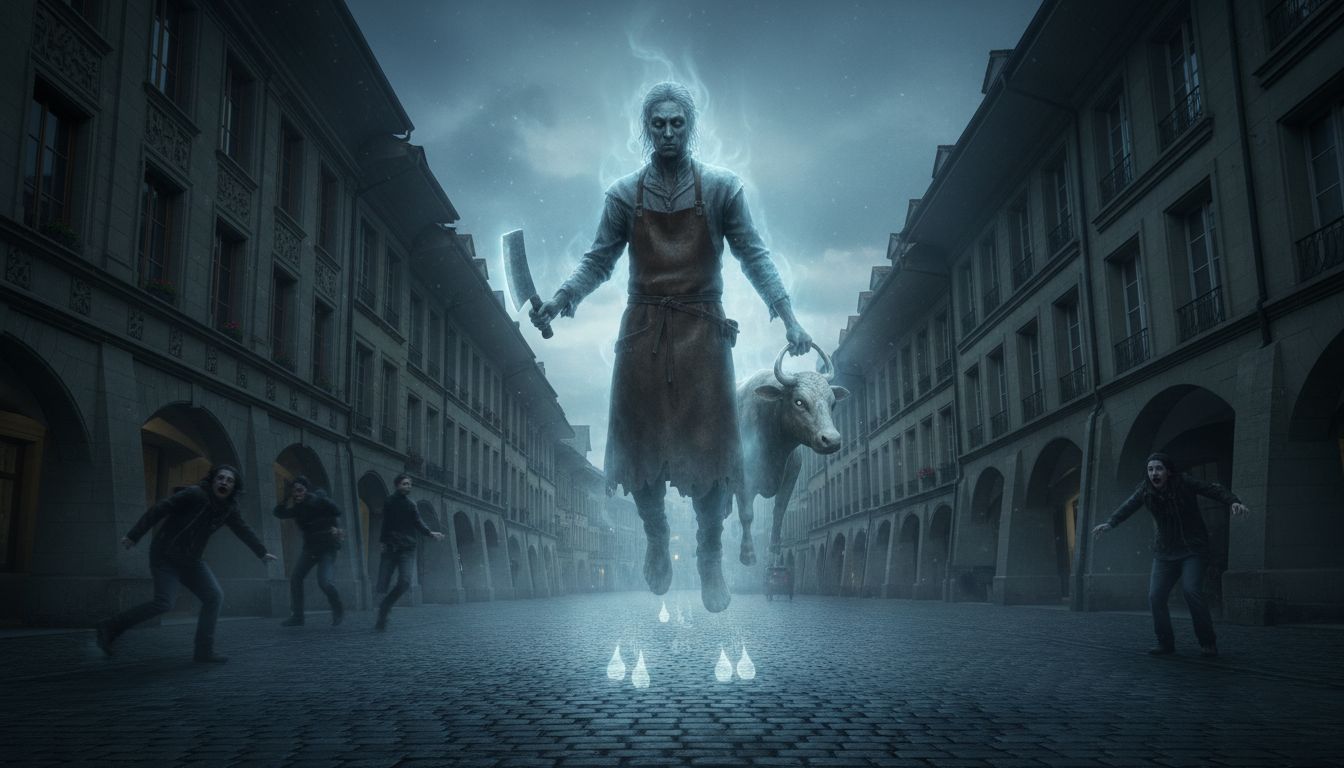
Bern’s historic Old Town continues to attract both tourists and scholars, not only for its well‑preserved medieval architecture but also for a lingering piece of folklore that locals describe as the “cursed butcher apprentice.” According to accounts collected by the cultural‑heritage website Moon Mausoleum, the spirit is said to wander Rathausgasse—once known as Metzgergasse or “Butcher’s Lane”—manifesting as the clatter of hooves on the cobblestones after nightfall. While the narrative bears the hallmarks of legend, the story has persisted for centuries and remains a point of reference for residents who hear “the horrid sound of hooves” in an otherwise quiet alley.
Historical Background
Rathausgasse’s evolution from a bustling meat‑market thoroughfare to a mixed‑use street mirrors the city’s broader transformation. Archival records indicate that the upper section of the lane bore the name Metzgergasse as early as 1619, reflecting its role as the hub of Bern’s butchery trade. The lower portion, renamed Postgasse in 1798, later housed the open‑air “Schaal,” a hall of butcher stalls that generated complaints about waste, odor, and noise throughout the 19th century. The former slaughterhouse at No. 22, now a protected cultural asset, underscores the area’s long‑standing association with meat processing. It is within this historical context that the tale of a cruel apprentice—allegedly torturing a calf for sport and subsequently cursed to become a spectral calf—first emerged in oral tradition.
Contemporary Witness Reports
Modern accounts echo the older legends. Residents and late‑night pedestrians report “the sharp crash of objects falling in empty rooms” accompanied by the unmistakable “clatter of hooves on cobblestones,” yet investigations reveal no horses or wagons present. The Schlachthaus‑Theater, a former slaughterhouse repurposed as a performance venue, has become a focal point for such reports. Staff members claim that during rehearsals and audience intermissions, the same hoof‑like sounds echo through the backstage corridors. One theater employee, speaking on condition of anonymity, said, “We hear it, we look, and there’s nothing—just the old stone walls and the echo of our own footsteps.” Although these testimonies lack scientific verification, they contribute to the persistent perception of a restless presence on Rathausgasse.
Cultural and Scholarly Perspectives
Folklorists caution against conflating anecdotal experiences with verified paranormal activity. Dr. Martina Keller, a professor of Swiss cultural history at the University of Bern, notes that “the butcher‑apprentice story functions as a moral allegory, warning against needless cruelty, and it has been reinforced by the street’s historic link to the meat trade.” She adds that “such legends often resurface during periods of urban change, serving as a communal means of negotiating the past.” The narrative also aligns with a broader European pattern of animal‑related hauntings, where victims of mistreatment are believed to return in the form of the very creatures they harmed. While the Moon Mausoleum article presents the tale without critical analysis, academic commentary situates it within a tradition of cautionary folklore rather than empirical evidence of hauntings.
Official Response and Outlook
The City of Bern’s cultural‑heritage department has not officially classified the Rathausgasse phenomenon as a paranormal issue. Instead, officials emphasize preservation of the historic fabric and encourage “respectful engagement with local stories” as part of the city’s intangible heritage. The department has commissioned a small oral‑history project to document resident experiences, aiming to archive the narratives for future research. As Bern continues to balance tourism, heritage conservation, and urban development, the cursed butcher apprentice remains a vivid, if unverified, element of the city’s living folklore—a reminder that history can echo through stone and story alike.