Overview
The Moon Mausoleum blog has republished Joseph Sheridan Le Fanu’s 1871 gothic short story The Dead Sexton, drawing renewed attention to a tale that blends Victorian horror with a moral reckoning. Set in the fictional Northumbrian town of Golden Friars, the narrative recounts the mysterious death of the corrupt church sexton Toby Crooke on Christmas Eve and the unsettling disturbances that follow in the churchyard. While the story first appeared in the late‑19th‑century periodical press, its recent online presentation highlights enduring themes of sin, retribution, and the uncanny presence of the dead in sacred spaces.
Plot Details
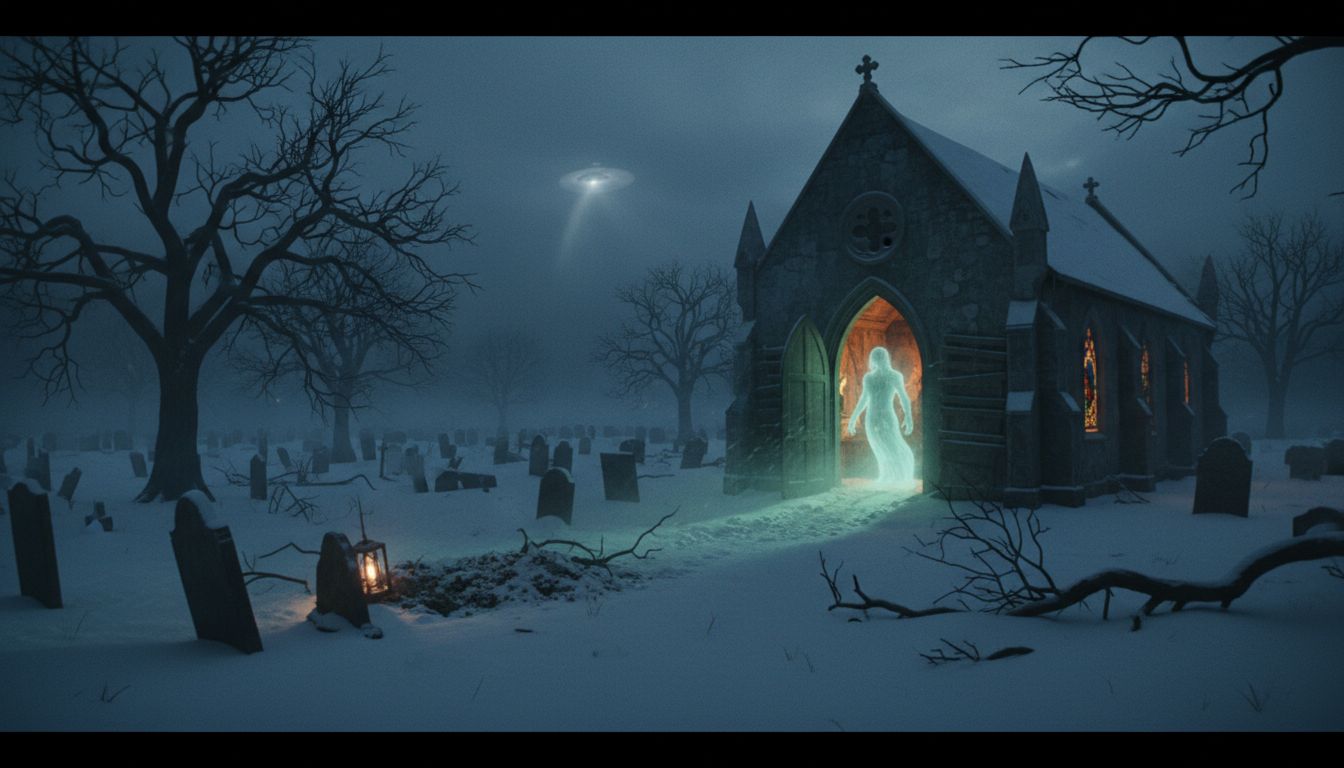
Le Fanu opens with a vivid description of the wintry landscape: “The sunsets were red, the nights were long, and the weather pleasantly frosty; and Christmas, the glorious herald of the New Year, was at hand.” Against this atmospheric backdrop, the sexton’s lifeless body is discovered “lying dead in the old coach‑house in the inn yard,” a place where it could have lain undisturbed for a week. The story quickly establishes Crooke’s unsavory reputation—he is described as “surly” and a lifelong trouble‑maker who “broke his indentures, ran away from his master, and got into fifty bad scrapes.”
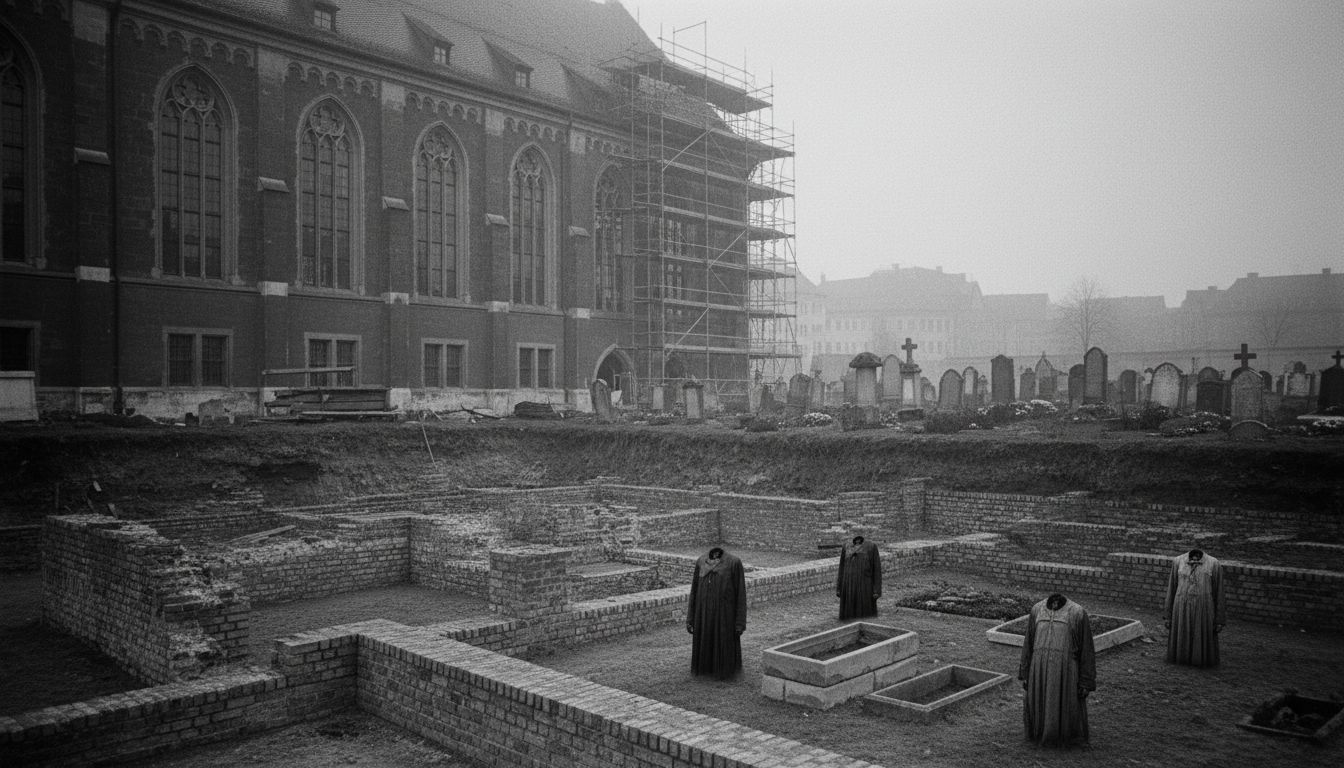
After his death, the narrative shifts to a series of eerie phenomena in the churchyard, implying that Crooke’s spirit refuses to relinquish its hold on the holy ground. Le Fanu writes that the “restless spirit begins to haunt the churchyard, causing eerie disturbances,” turning the once‑peaceful cemetery into a site of “chilling mystery.” The juxtaposition of a sacred setting with supernatural retribution underscores the story’s moral undercurrent: the sins of the living may echo beyond the grave.
Literary Context
The Dead Sexton is part of Le Fanu’s broader oeuvre of gothic horror, which includes classics such as Carmilla and Uncle Silas. Published in 1871, the story reflects Victorian anxieties about religious authority and the moral order, using the figure of the sexton—a custodian of the church’s physical and spiritual well‑being—to explore corruption within sacred institutions. Scholars have noted that Le Fanu’s use of a “fairy‑town” setting, complete with “steep gables and slender chimneys,” serves to heighten the contrast between pastoral tranquility and lurking dread.
The Moon Mausoleum article preserves the original language, allowing contemporary readers to experience Le Fanu’s atmospheric prose. By quoting directly—“Toby Crooke, the lank sexton, now fifty or upwards, had passed an hour or two with some village cronies…”—the repost underscores the author’s skill in character sketching and his ability to evoke a palpable sense of place.
Reception and Modern Relevance
Since its digital resurfacing, The Dead Sexton has sparked discussion among literary bloggers and gothic‑genre enthusiasts. Readers have praised the story’s “delightful horror” that, according to the blog, “has mellowed with the passage of years,” suggesting that its impact endures even as cultural tastes evolve. The tale’s focus on a corrupt religious figure resonates with contemporary debates about institutional accountability, offering a historical lens through which modern audiences can examine similar concerns.
Moreover, the story’s Christmas‑Eve setting adds a seasonal dimension that aligns with a growing interest in holiday‑themed horror. As the blog notes, “the event—still recounted by winter firesides—continues to intrigue,” indicating that the narrative has entered the realm of folklore within the niche community that follows Le Fanu’s work.
Significance
By bringing The Dead Sexton back into public view, Moon Mausoleum contributes to the preservation of lesser‑known Victorian horror literature. The story exemplifies Le Fanu’s mastery of suspense and moral storytelling, reminding readers that “the sacred peace of a churchyard can be shattered by the unresolved sins of its keepers.” As scholars and fans continue to explore the interplay between the supernatural and societal critique in Le Fanu’s tales, The Dead Sexton stands as a compelling case study of how 19th‑century fiction can still speak to contemporary concerns about justice, redemption, and the lingering shadows of the past.