Overview
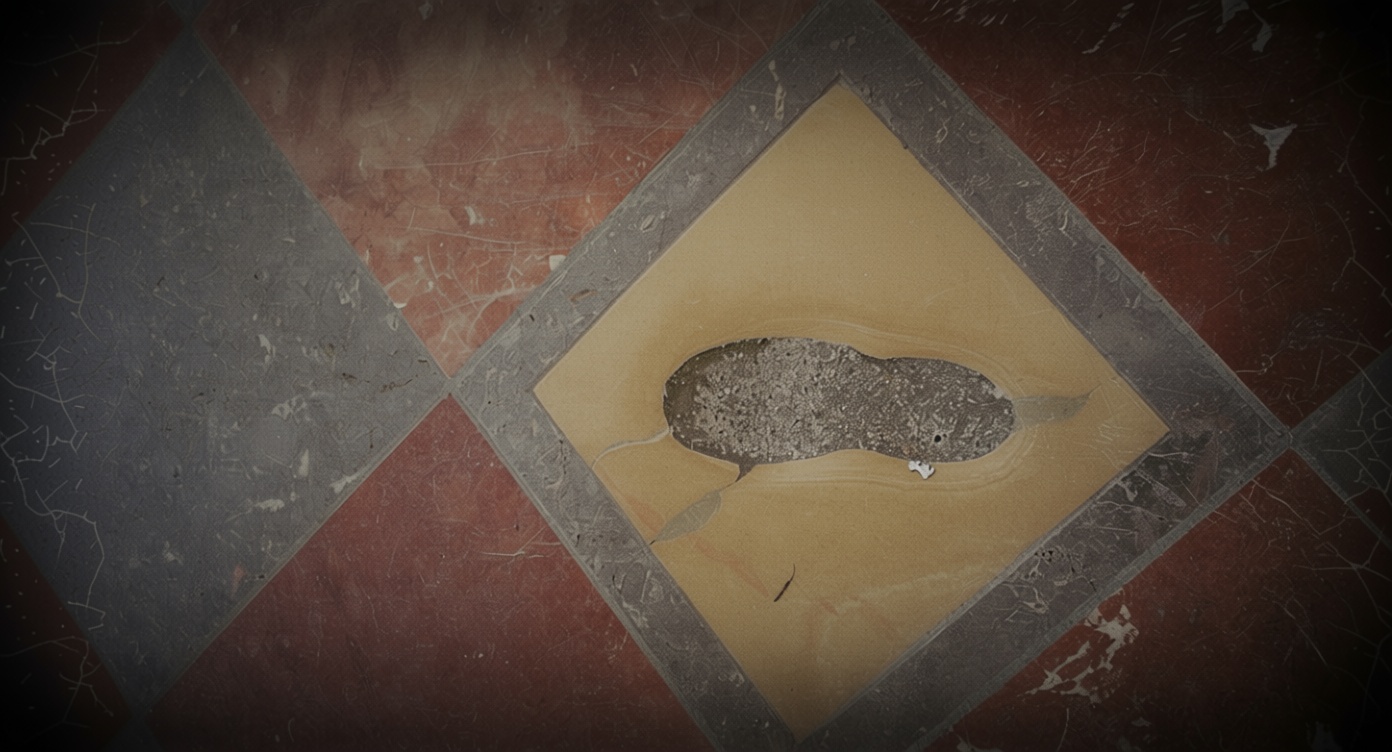
Inside Munich’s Frauenkirche, one of the Bavarian capital’s most recognizable landmarks, visitors can still spot a dark mark on the floor that has become the focus of one of the city’s best-known legends: the “Devil’s Footprint.” The stain-like imprint, located near the entrance, is said by local tradition to have been left by the devil himself. While the mark is a small detail in a large and historic cathedral, it has drawn fascination for generations because it blends architecture, folklore, and religious history into a single enduring mystery.
The Frauenkirche, officially the Cathedral of Our Lady, is a late Gothic church in Munich’s Old Town and is famous for its twin towers that dominate the city skyline. Built between 1468 and 1494, the cathedral is closely associated with master builder Jörg von Halspach, whose work helped define the structure’s distinctive look. Beyond its architectural importance, the church has long been surrounded by stories of ghosts, omens, and supernatural encounters, making it a recurring subject in local legend as well as in tourism literature.
The Legend of the Footprint
The most famous story tied to the cathedral says that the devil made a bargain with Halspach during the church’s construction. According to the legend, the devil agreed to support the project on the condition that the building contain no windows, and in return he would receive the soul of the first person to enter the completed church. The tale takes a dramatic turn when the devil is supposedly tricked: from the threshold, he could not see the windows hidden by the building’s columns, and in frustration he stamped his foot on the floor, leaving behind the black mark visible today.
This story has become part of the Frauenkirche’s identity, but like many medieval legends, it should be understood as folklore rather than historical fact. Such stories often emerged to explain unusual features of buildings or to attach moral meaning to places of civic and religious importance. In the case of the Frauenkirche, the footprint adds a supernatural layer to a church that already carries strong symbolic weight for Munich.
Historical Background
The church’s origins are also linked to a separate local legend involving Duke Sigismund. One account says a packed old church was the site of a deadly panic after a false alarm, and that a young woman described as the most beautiful in Munich was trampled to death. According to the story, Sigismund—who had once loved a woman of lower social standing—founded the Frauenkirche in memory of the tragedy, after comparing it to the brutal fate of Agnes Bernauer, another woman whose death became part of Bavarian historical memory.
Whether told through tragedy or devilish deception, these narratives reflect how Munich’s residents have long used storytelling to preserve the meaning of the city’s sacred spaces. They also show how the Frauenkirche became more than just a church: it evolved into a site where religion, politics, architecture, and legend intersected.
Why the Mark Still Matters
Today, the Devil’s Footprint continues to attract visitors not because it can be verified as paranormal, but because it captures the power of legend in a place of genuine historical significance. In a cathedral already renowned for its scale and symbolism, the footprint serves as a reminder that history is often remembered not only through documents and monuments, but also through stories passed from one generation to the next. For many who step inside the Frauenkirche, the mark on the floor is a small but memorable link between Munich’s past and its enduring fascination with the mysterious.