Overview
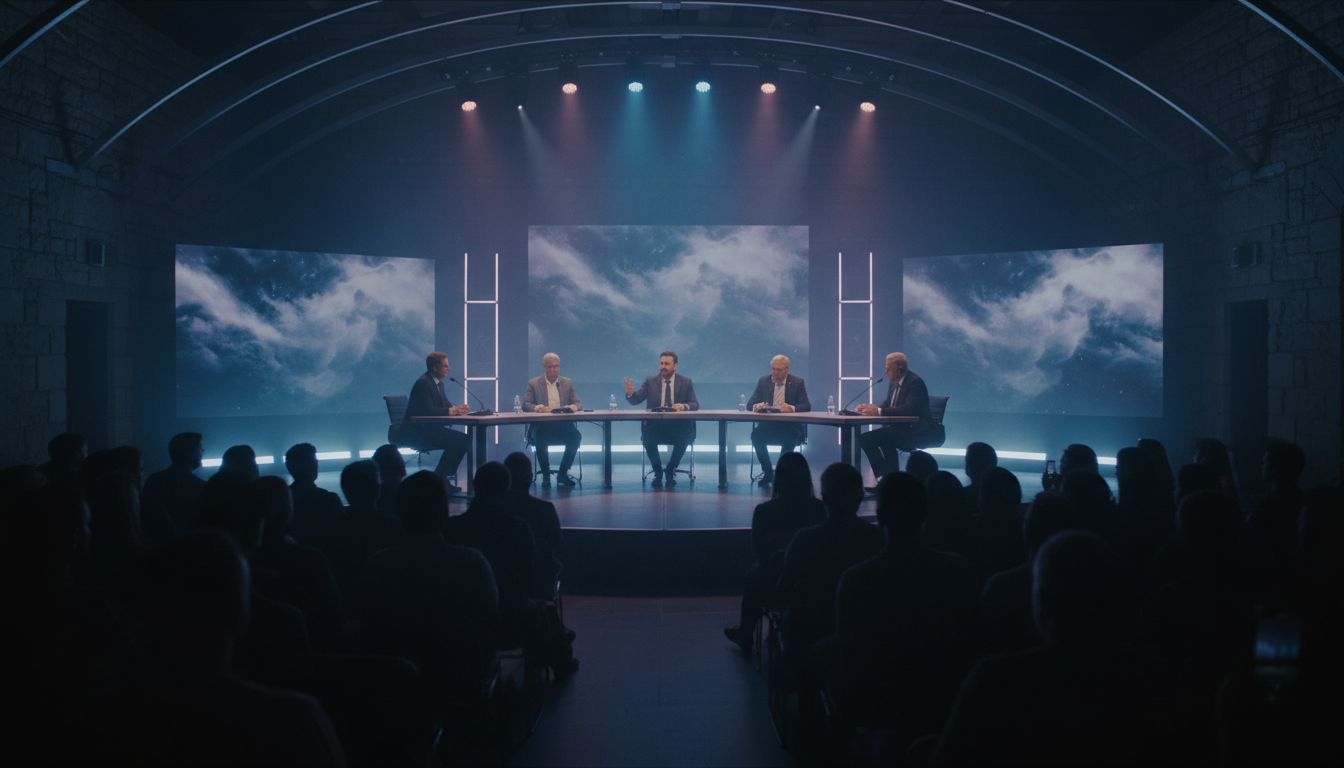
A seven-and-a-half-hour UAP disclosure forum held on June 12, 2024, in the Kennedy Caucus Room of the Russell Senate Office Building in Washington, D.C., underscored how far the public debate over unidentified anomalous phenomena has evolved. According to UAP historian and researcher Richard Dolan, the event did not produce a dramatic “smoking gun,” but it did signal a meaningful shift: the question is no longer whether the phenomenon exists, but who knows what, and why that information remains classified.
Dolan described the gathering as evidence that the UAP issue has moved beyond the realm of fringe conferences and into the center of policy discussion. With members of Congress, former intelligence officials, scientists, journalists, and transparency advocates in attendance, the forum reflected what he called the “institutionalization” of disclosure. In his view, that alone marks a major milestone for a topic long dismissed by mainstream institutions.
From Fringe Debate to Policy Fight
One of the most notable changes highlighted at the forum was the shift in burden of proof. A decade ago, the debate centered on whether UAPs deserved serious attention at all. Dolan said that has now changed, with many officials effectively taking the reality of UAP encounters for granted. The argument has moved to access: what evidence exists, where it is stored, and whether it is being withheld by the military-intelligence apparatus or private defense contractors.
That tension between elected oversight and the “permanent bureaucracy” was a recurring theme. Forum participants argued that Congress is increasingly pressing for answers while the agencies and contractors that may hold the most important records remain insulated by classification rules. Several speakers suggested that decisive data may be buried within the Air Force, CIA, or Department of Energy, including “missing sensor data” tied to military encounters.
Christopher Mellon’s Role and the Push for Transparency
Former Deputy Assistant Secretary of Defense for Intelligence Christopher Mellon opened the forum with what Dolan described as a polished presentation focused on transparency and accountability. Mellon argued that the government cannot credibly claim to be investigating UAPs without releasing more of the underlying evidence. His comments reflected a broader push among disclosure advocates: not simply to acknowledge the issue, but to create a mechanism for public review of classified material.
The forum also revisited the significance of whistleblower testimony, particularly the earlier efforts of David Grusch, whose allegations raised expectations for more sweeping revelations. While Grusch was not present, his case remained a reference point for attendees who hoped the June forum might deliver similarly dramatic disclosures. Instead, the emphasis was on building a stronger legal framework for future witnesses.
What Disclosure Would — and Wouldn’t — Solve
A major focus of the discussion was whistleblower protection. Advocates called for formal immunity, amnesty, pension restoration for retaliated personnel, and stronger protections against career damage for those who come forward. The argument was straightforward: if witnesses fear professional ruin, the most consequential information may never reach Congress or the public.
Still, Dolan cautioned against confusing disclosure with comprehension. Even if the government were to confirm that some craft are of non-human origin, that would not answer the larger questions surrounding their intelligence, intent, or relationship to human consciousness. The forum, in that sense, marked progress in the politics of disclosure — but not necessarily in solving the phenomenon itself. Dolan’s bottom line was measured: the movement may be maturing, but the core mystery remains unresolved.