Overview
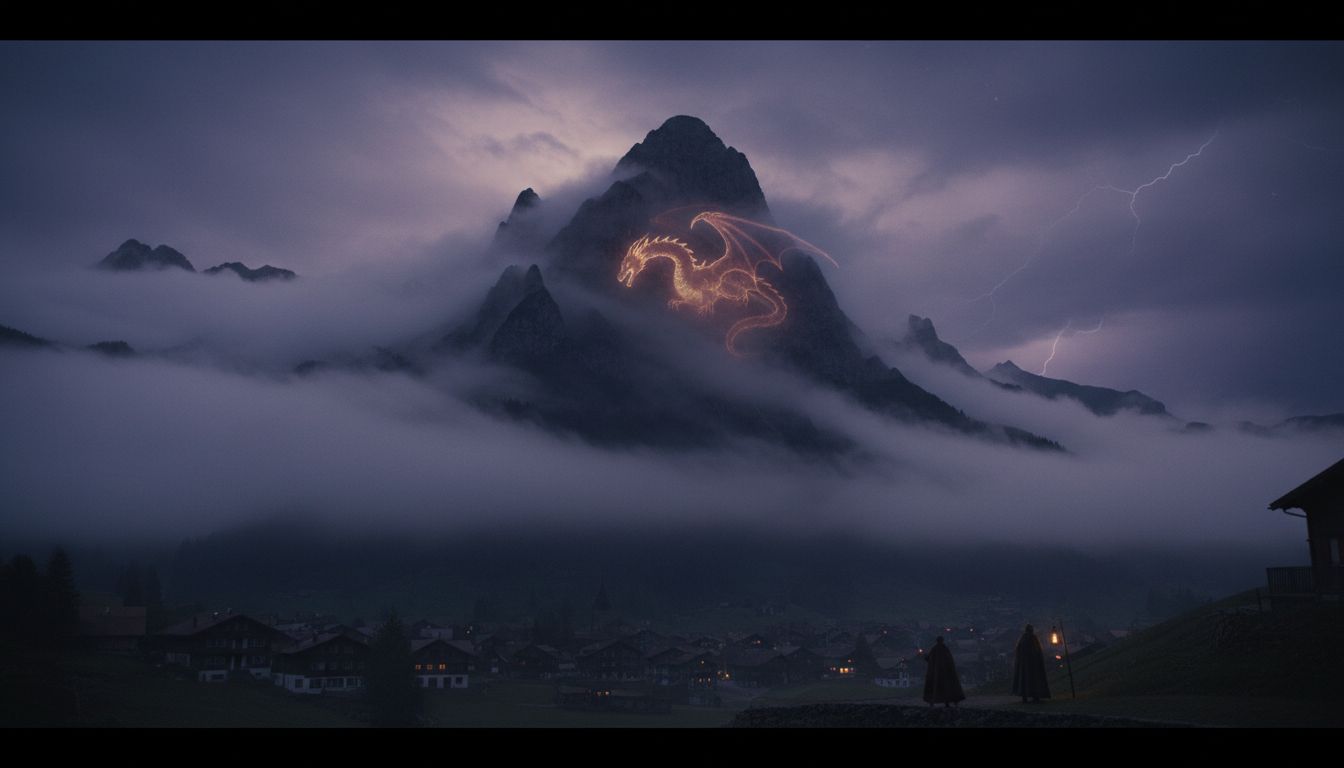
Mount Pilatus, the dramatic peak that crowns Lake Lucerne, has long been known to locals as “Dragon Mountain.” While today the summit welcomes hikers, skiers and tourists, centuries‑old folklore still casts a shadow over the ridge. According to the Moon Mausoleum website, villagers once believed that disturbing the mountain’s spirits could summon violent storms and flood the surrounding valleys, leading to a taboo that prohibited any approach to the summit. This blend of natural awe and mythic dread continues to shape the cultural landscape of the Lucerne region.
Historical Roots
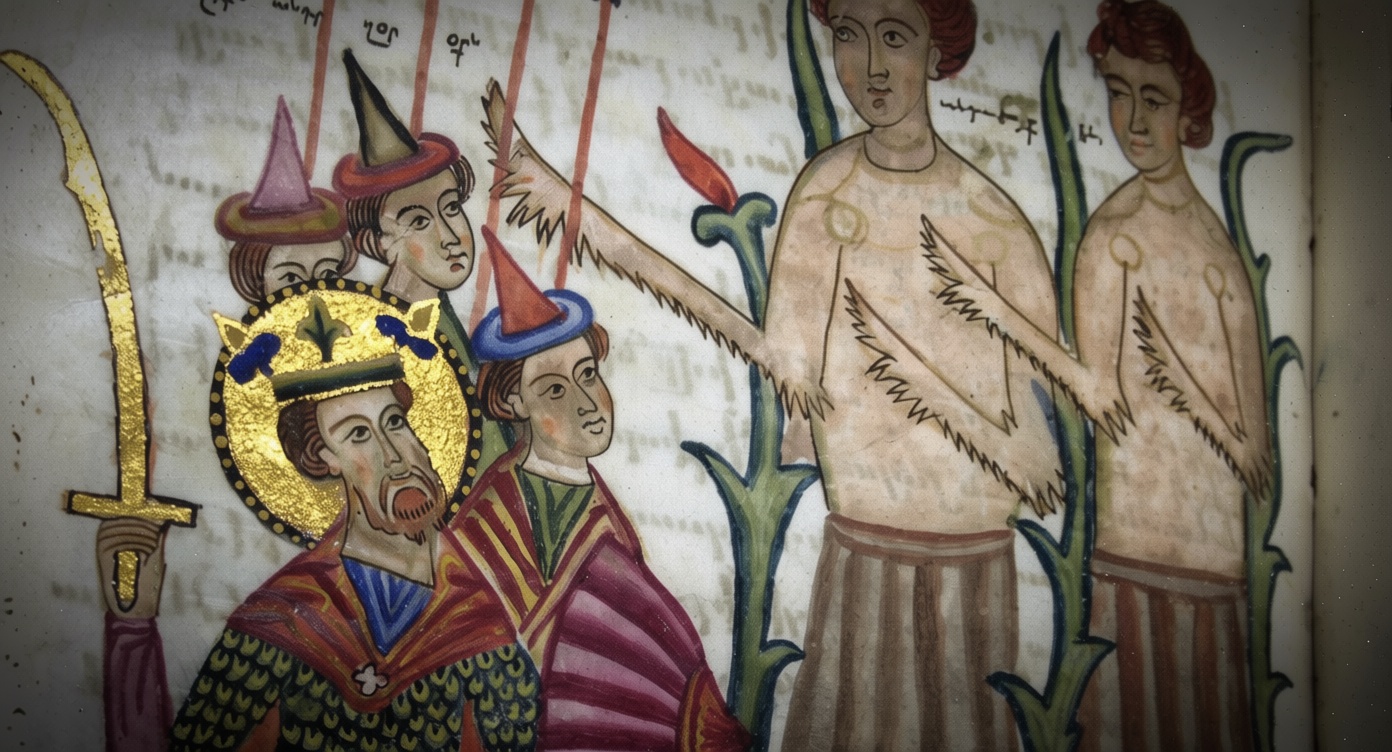
The dragon legend is anchored in medieval chronicles that date back to the early 15th century. The most detailed account, recorded in a 1421 chronicle, describes a massive dragon soaring from the neighboring Rigi to Pilatus before crashing near the village of Neuenkirch. The farmer Stempflin, who witnessed the impact, allegedly fainted from shock; when he regained consciousness, the creature had vanished, leaving behind scorched earth, a pool of blood and a smooth, iridescent stone later dubbed the “Drachenstein” (Dragon Stone). Historian Dr. Hans Keller of the University of Zurich notes, “The Drachenstein is cited in several local inventories, suggesting the story was taken seriously enough to be recorded alongside property deeds.” Such records indicate that the dragon narrative was not merely oral tradition but entered the documentary fabric of the region.
Folklore and Physical Evidence
Beyond the 1421 episode, the mountain’s caves and jagged cliffs have been linked to “hidden lairs” where dragons were thought to nest. Residents reported hearing low, resonant roars during thunderstorms, interpreting the sounds as the beasts communicating with the sky. While no physical remains of a dragon have ever been uncovered, the Drachenstein—now displayed in the Lucerne Museum of Natural History—remains a tangible artifact tied to the myth. Museum curator Elena Meier explains, “The stone’s composition is ordinary quartz, but its legend has given it an aura that attracts both scholars and curious visitors.” The artifact’s fame illustrates how material culture can reinforce intangible folklore.
Tourism and Conservation
In recent decades, Pilatus has transformed from a forbidden zone into a major tourist attraction, accessed via the world‑renowned Pilatus Railway and cable car. The Lucerne tourism board emphasizes the mountain’s “dual identity”—a site of natural beauty and a repository of cultural heritage. “We promote responsible hiking while respecting the stories that locals hold dear,” says tourism official Marco Bär. Conservation efforts now include guided tours that recount the dragon tales, integrating folklore into environmental education. This approach aims to preserve both the mountain’s ecosystems and its intangible heritage, ensuring that the legends do not become lost amid modern development.
Cultural Impact
The dragon narrative continues to influence local art, festivals, and even commercial branding. Annual “Dragon Night” events in the nearby towns feature lantern processions and storytelling sessions, reinforcing community bonds around shared myth. Scholars of European folklore, such as Prof. Anja Müller, argue that Pilatus exemplifies how “geographic landmarks become canvases for collective imagination, especially in regions where weather extremes reinforce the perception of supernatural forces.” While the existence of a real dragon remains unproven, the legend’s endurance underscores the powerful role of myth in shaping regional identity and how a single mountain can embody both natural wonder and timeless storytelling.