Overview
Thirty years after a series of nighttime sightings in the Brazilian city of Varginha sparked what many called the country’s “Roswell,” a new witness has stepped forward. Dr. Italo Venturelli, a surgeon at a local hospital, says he treated a “non‑human being” that was brought to his emergency department in January 1996. He describes the creature as having a teardrop‑shaped skull, lilac‑coloured eyes and a thin, hairless body. The revelation arrives amid renewed public interest in the Varginha incident, which has long been linked to alleged UFO crashes and a supposed military cover‑up.
The 1996 Sightings
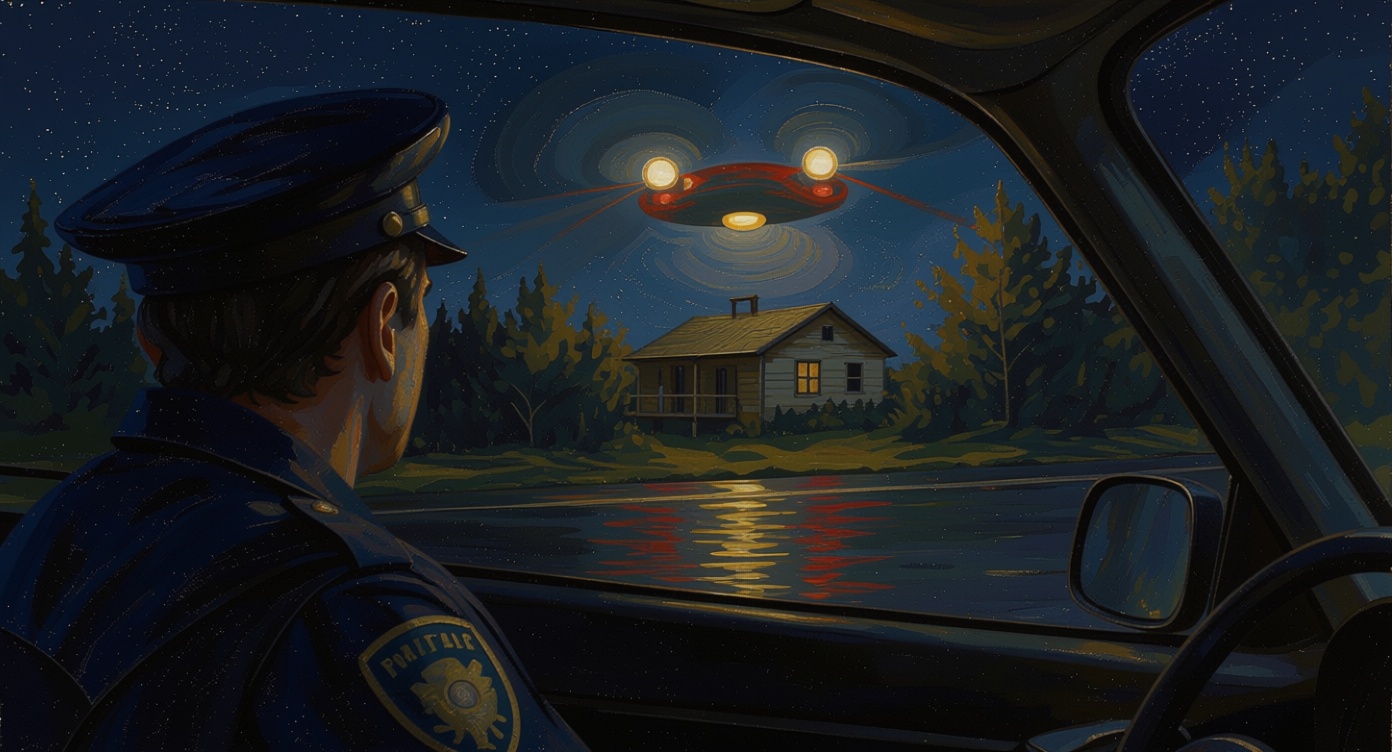
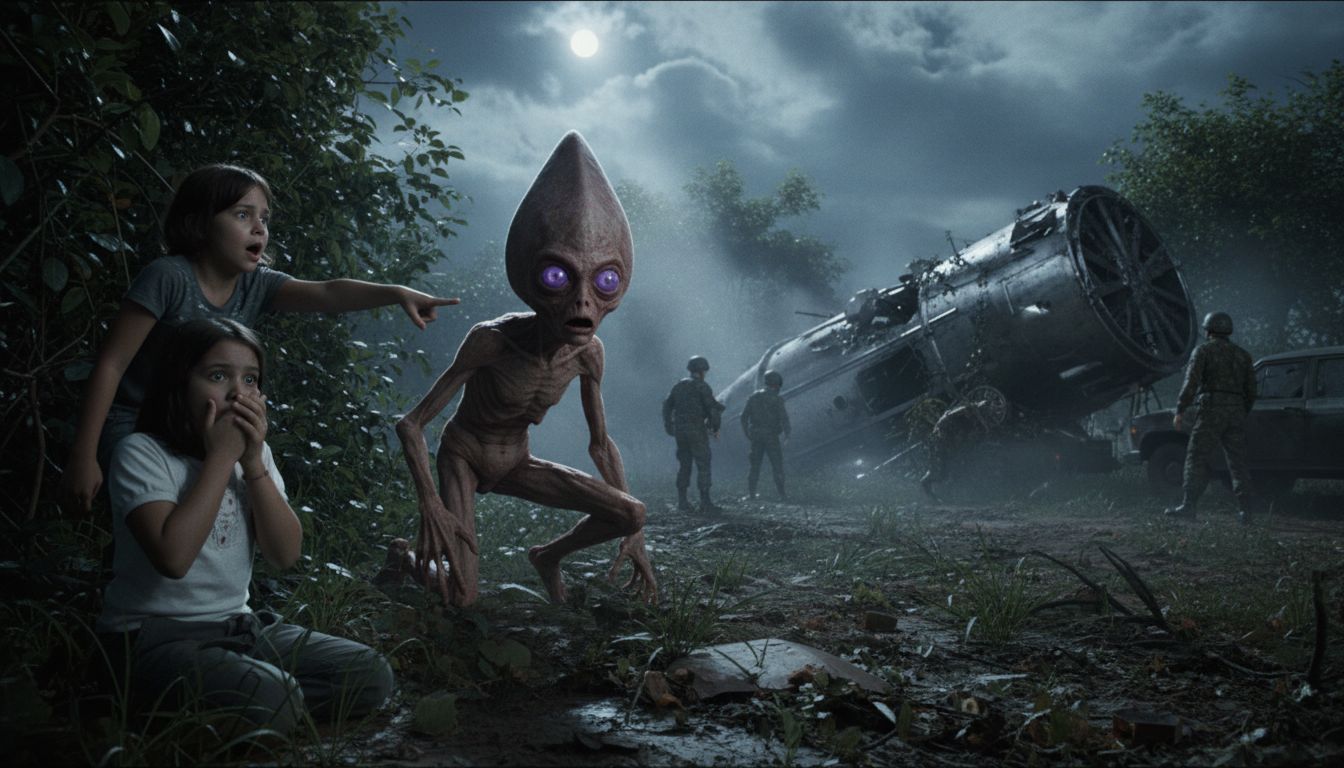
On the night of January 20, 1996, three teenage girls—Maria da Silva, Ana Paula and Renata—reported seeing a small, bipedal figure near the city’s downtown area. Their account, first published in local newspapers, described a three‑foot‑tall being with a large head and dark eyes that fled after a brief encounter. Within days, residents claimed to hear a low‑frequency hum and observed strange lights over the nearby Morro do Varginha hill.
The Brazilian military quickly dispatched troops, cordoning off a portion of the city and reportedly collecting debris that some witnesses identified as metallic fragments. Official statements at the time dismissed the reports as a “misidentification of a local animal” and attributed the lights to a weather balloon. Nonetheless, the incident entered popular culture, earning Varginha the nickname “Brazilian Roswell.”
New Testimony from Dr. Italo Venturelli
In a recorded interview released to the press on February 5, 2026, Dr. Venturelli recounted that a “strange, unidentifiable patient” was rushed to his hospital’s emergency ward on the night of the sightings. He said the individual was unconscious, bleeding from the nose, and unable to speak, yet exhibited a highly unusual anatomy.
“The skull was not round; it tapered like a teardrop, and the eyes were a pale lilac, almost translucent,” Venturelli told the journalists. “The creature’s skin was smooth, with no visible hair, and it seemed to recover remarkably quickly once we administered basic first‑aid.”
He added that the patient was transferred to a restricted military medical facility shortly after stabilization, and that he was instructed not to discuss the case. Dr. Venturelli says he has kept a hand‑drawn sketch of the being, which he is now willing to share with investigators.
Official Response and Ongoing Investigations
The Brazilian Ministry of Defense reiterated its earlier position, stating that no credible evidence of extraterrestrial activity has been found and that the “creature” described by Dr. Venturelli was likely a deformed animal or a human with a rare medical condition. A spokesperson for the Ministry of Health noted that records from the 1996 emergency department do not list any patient matching the doctor’s description.
Independent researchers, however, have begun to re‑examine archived police reports, eyewitness testimonies, and the newly released sketch. UFO researcher Dr. João Pereira of the Brazilian Center for Extraterrestrial Studies remarked, “While we must remain skeptical, the consistency of the girls’ observations and the medical professional’s account merits a thorough, transparent review.”
Wider Context and Future Steps
The Varginha case remains one of the most debated UFO events in Latin America, often cited alongside the 1980 “UFO over Rio” sighting and the 2004 “Amazonian lights” phenomenon. Dr. Venturelli’s disclosure has revived calls for a formal parliamentary inquiry into the 1996 incident, with several lawmakers demanding access to classified military files.
If further evidence emerges—such as the original medical notes or the alleged military transport logs—it could reshape the narrative surrounding Varginha from folklore to a documented anomaly. Until then, the story stands as a reminder that unexplained events can linger in the public consciousness for decades, resurfacing when new witnesses feel compelled to speak.