Overview
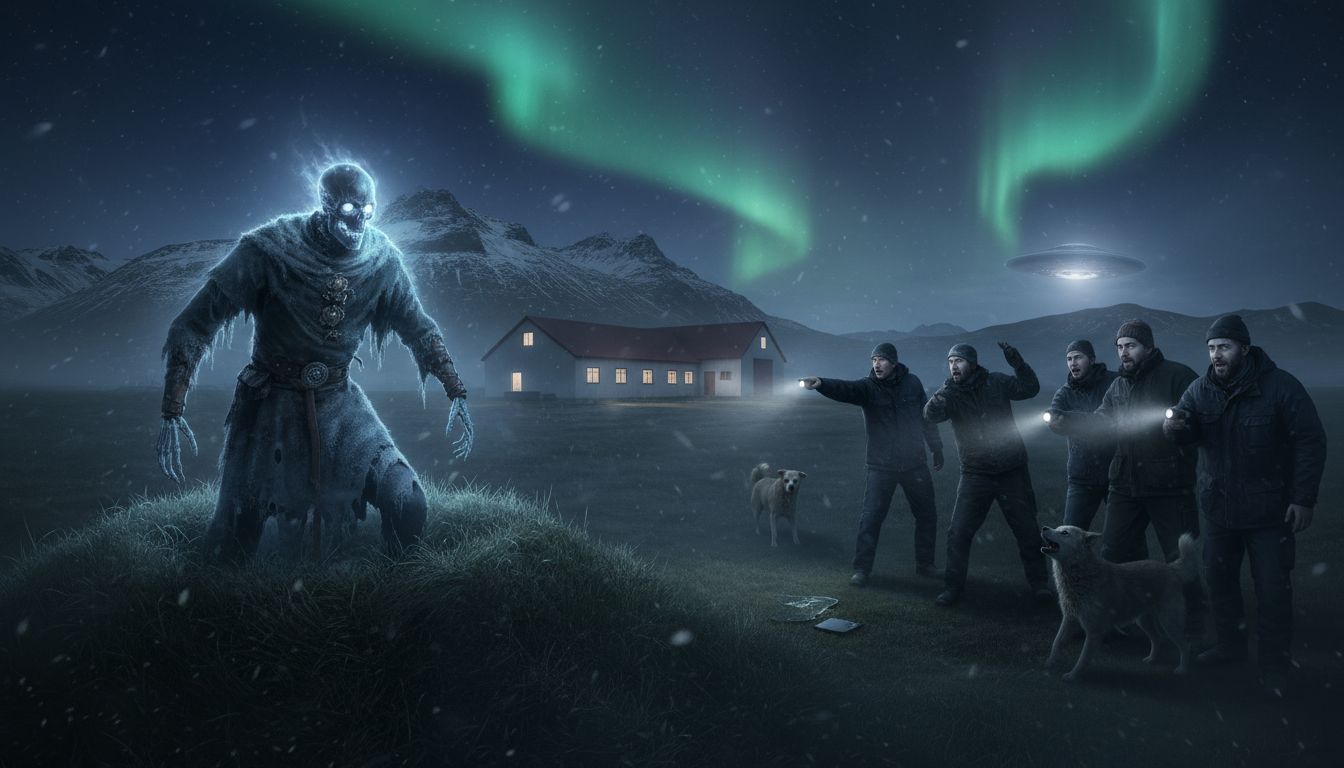
A centuries‑old legend from the Westfjords of Iceland has resurfaced in scholarly circles after being documented in the 1862 collection Icelandic Folktales and Adventures. The tale concerns a shepherd boy allegedly murdered by a farmer named Halldór and interred in the burial mound that underlies Finnbogastaðir farm. According to the source, the boy’s spirit returned as a Draugr or Haugbúi—terms for undead beings in Norse folklore—causing “unclean” disturbances that frightened the farm’s residents. While the narrative dates to roughly 1820, its recent re‑examination offers insight into how oral tradition and historic place‑names intertwine with modern cultural memory.
Folklore Context
In Icelandic mythology, a Draugr is a corporeal revenant, described as bloated, strength‑endowed, and capable of shapeshifting or protecting buried treasure. By contrast, the Haugbúi (“mound‑dweller”) is generally less aggressive, remaining bound to its burial site and emerging only to guard it. Scholars such as Dr. Ásgeir Jónsson of the University of Iceland note that “the distinction between Draugr and Haugbúi reflects regional attitudes toward the sanctity of burial mounds and the fear of violating ancestral land.” The Finnbogastaðir story fits this pattern: the shepherd’s death, concealed within the farm’s own mound, allegedly triggered a lingering, hostile presence that locals linked to both archetypes.
Local Setting and Historical Roots
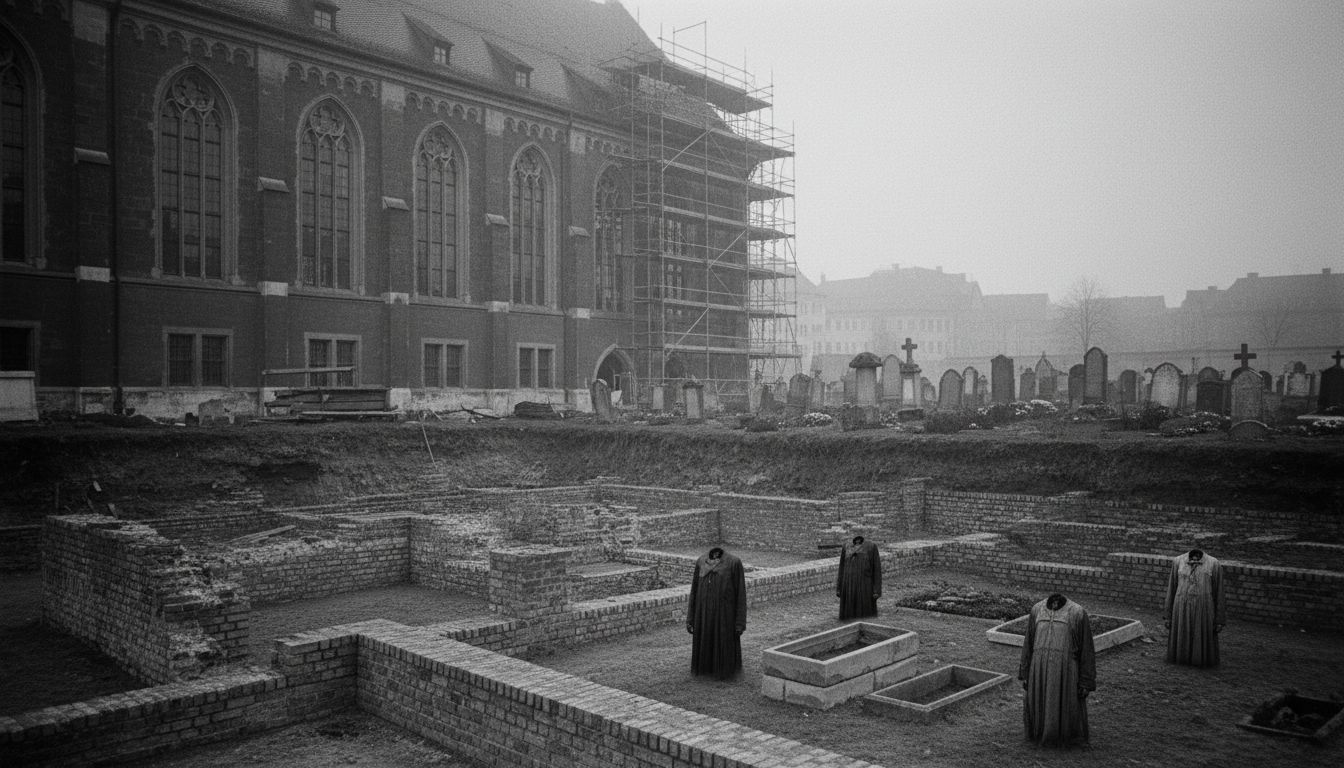
Finnbogastaðir lies in Árneshreppur, a remote district known for its rugged coastline and Viking‑era settlements. The farm’s lineage can be traced to the first wave of Icelandic colonisation, lending it a tangible historical gravitas that amplifies the legend’s resonance. According to the 1862 account, Halldór, who later relocated to Reykjarfjörður, “in a fit of anger… killed a shepherd boy who was with him, and buried him in the farm mound.” Contemporary residents of Finnbogastaðir, interviewed by Moon Mausoleum, describe an enduring wariness of the mound, though they stop short of claiming any supernatural encounters. The story’s endurance appears rooted more in the farm’s ancient status than in verifiable events.
Scholarly and Cultural Re‑assessment
The resurfacing of the Finnbogastaðir narrative has prompted renewed academic interest. Dr. María Svavarsdóttir, a folklorist specializing in Nordic oral tradition, remarks, “When a tale is recorded in a 19th‑century anthology and later revisited online, it offers a rare glimpse into how communities historically encoded moral warnings—here, a caution against violence and grave‑disturbance—into supernatural frameworks.” Moreover, the distinction between Draugr and Haugbúi in the tale provides a case study for comparative analysis with similar legends across Scandinavia, where mound‑bound spirits often serve as protectors of communal memory. The story also illustrates how modern digital platforms can revive obscure folklore, prompting both scholarly debate and public curiosity.
Contemporary Relevance
While the Finnbogastaðir legend remains unverified by forensic or historical evidence, its persistence underscores a broader pattern: rural Icelandic communities continue to navigate a landscape where physical geography and mythic imagination overlap. Tourism operators in the Westfjords have begun to reference the story in guided hikes, framing it as part of the region’s intangible heritage rather than a literal haunting. Local authorities, however, caution against sensationalism, emphasizing that “respect for burial sites is a legal and cultural responsibility, irrespective of folklore.” As interest grows, the Finnbogastaðir ghost story serves as a reminder that ancient narratives can still shape modern perceptions of place, identity, and the unseen forces that communities believe watch over them.