Overview
The cobalt mine at Blaafarveværket in Modum, Norway, has long been celebrated for its industrial heritage – it was the country’s largest mining operation in the first half of the 19th century and today stands as Europe’s best‑preserved mining museum. Alongside its historic significance, the site is also the focus of a persistent local legend: a spectral figure known as Blåmannen, or “the Blue Man,” who is said to appear in the mine’s darkest shafts moments before a collapse. While the story has been recounted for nearly two centuries, recent interest from historians, folklorists, and museum curators has prompted a closer look at the origins and cultural resonance of the tale.
Historical Background
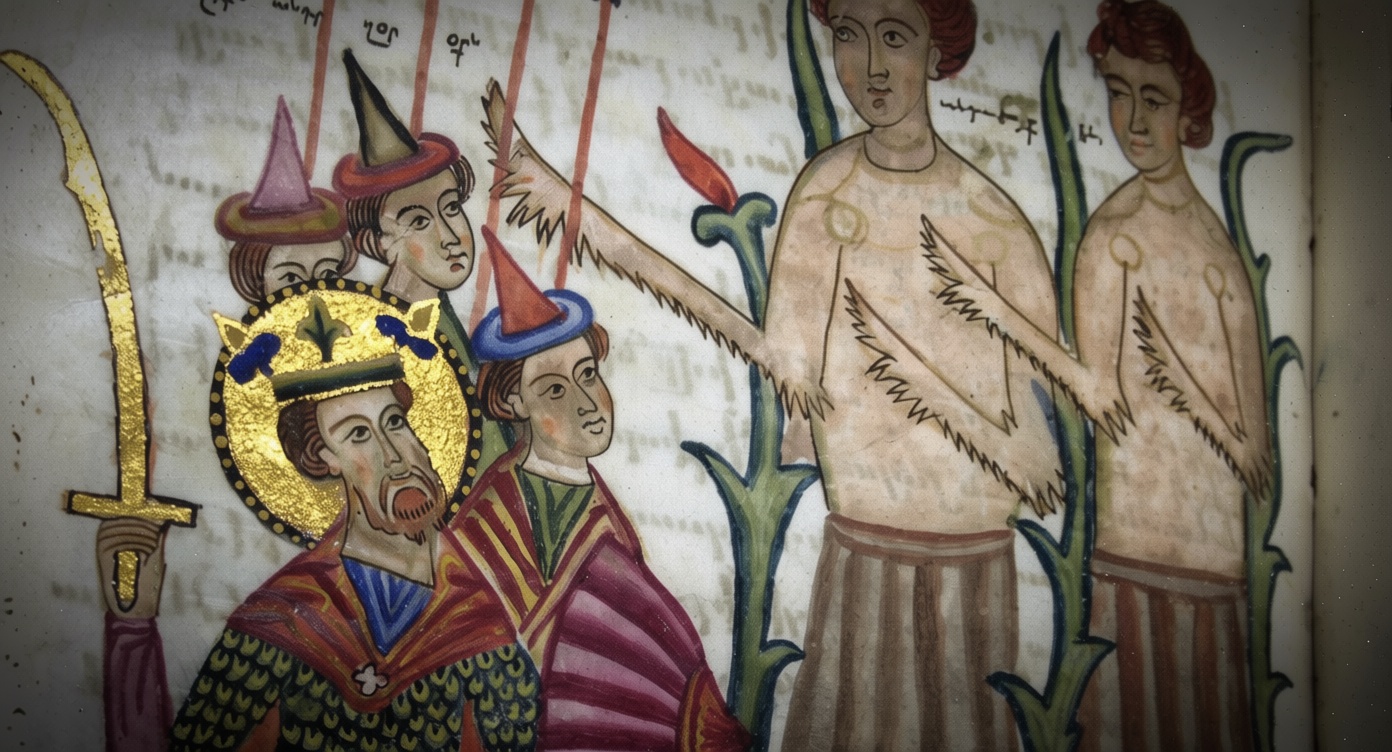
Blaafarveværket’s ore‑rich tunnels supplied the cobalt pigment that gave the famous “deep blue” to porcelain, glass, and paints across Europe. At its peak the mine employed hundreds of workers who labored in cramped, poorly ventilated galleries, often under the glow of oil lamps. The hazardous conditions gave rise to a strong oral tradition among miners, who used folklore to explain sudden accidents and the ever‑present danger of shaft collapses. German miners, who arrived in Norway during the 15th and 17th centuries, brought with them stories of “rock demons” – gnome‑like beings said to haunt silver mines in the Harz region. Over time, these narratives blended with native Norwegian beliefs, creating a unique mythic landscape beneath the ground.
The Legend of Blåmannen
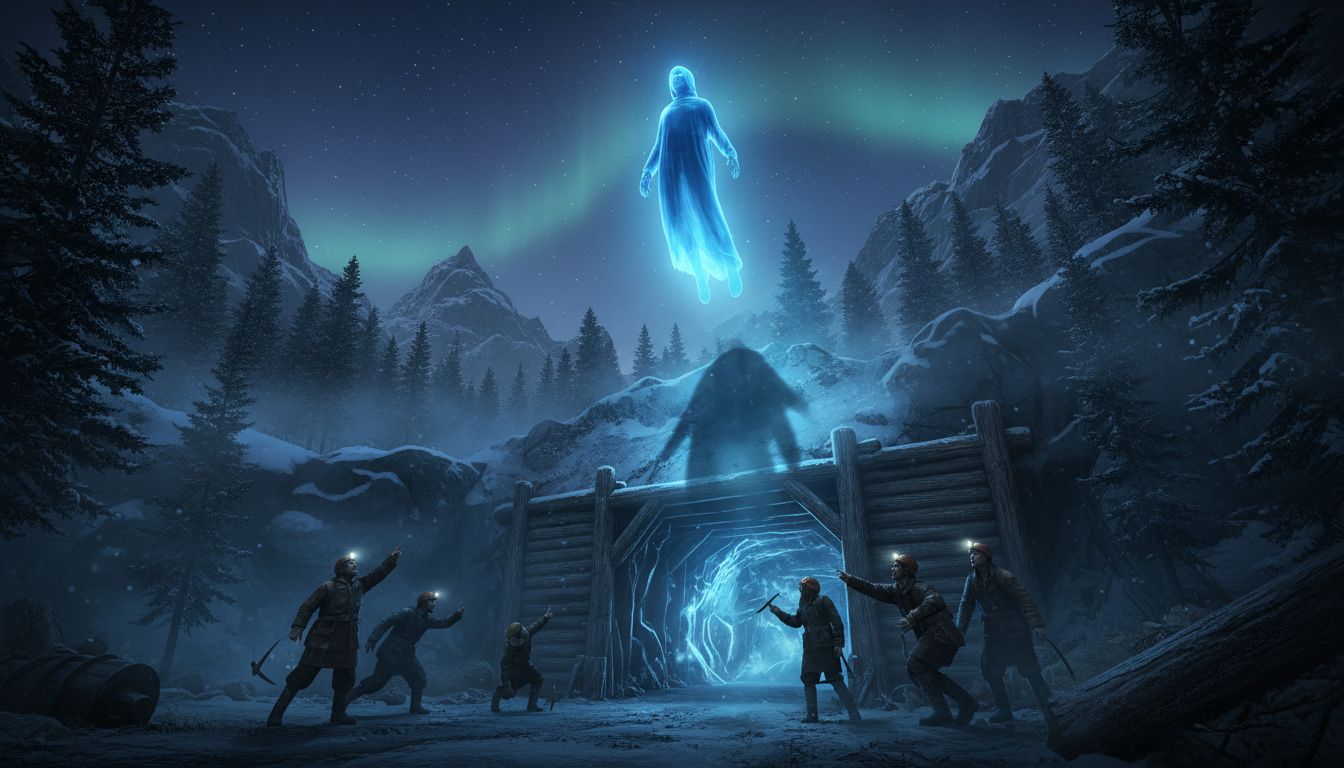
According to accounts recorded by local historian Kai Hunstadbråten, Blåmannen is described as a miner in a uniform, his lamp emitting an “uncanny, bluish glow.” He never speaks; instead, his silent appearance is interpreted as a warning. Miners reported that the figure would emerge from a deeper shaft just before a collapse, prompting those who saw him to flee. One 19th‑century worker, Hans Simen Røtter, recalled a night at Norsgruva when a blue‑clad apparition urged him to leave the mine, allegedly saving his life. Hunstadbråten notes that the open pit known as Nordgruvene was colloquially called “The Blue Man’s Mine,” underscoring how deeply the legend was woven into everyday language.
Folklorist Roger Pihl emphasizes that the tale functions less as a supernatural threat and more as a “miner’s demon” – a cultural shorthand for the ever‑present risk of underground work. The legend mirrors German mining folklore, where a rock demon with “wild eyes and a long neck like a horse” was blamed for sudden deaths. Such parallels suggest that Blåmannen may be a localized adaptation of broader European mining myths, rather than evidence of an unexplained phenomenon.
Modern Investigations & Speculation
In recent years, the museum’s research department has catalogued dozens of oral testimonies, but no physical evidence of a “blue‑lamped” apparition has emerged. Dr. Ingrid Løvenskiold, a cultural‑heritage specialist at the University of Oslo, cautions against conflating folklore with paranormal proof: “The consistency of the stories points to a shared cultural memory of danger, not to an undiscovered chamber or hidden force.” Nonetheless, the legend fuels speculative interest in the mine’s uncharted passages. Amateur explorers have proposed that the “blue light” could be explained by residual phosphorescence from cobalt ore or the occasional ignition of methane pockets, both of which can produce a faint blue hue. While these scientific explanations are plausible, they have not been systematically tested in the museum’s guided tours.
Cultural Impact and Preservation
Regardless of its factual basis, the Blåmannen narrative remains a vital part of Blaafarveværket’s identity. The museum incorporates the story into educational programs, using it to illustrate how workers historically coped with occupational hazards through myth. Local tourism boards also promote the legend, drawing visitors intrigued by Norway’s “most haunted” industrial site. As the museum prepares a new exhibition on 19th‑century mining life, curators plan to feature audio recordings of original testimonies, allowing visitors to hear the miners’ own words about the “silent warning” that haunted their tunnels.
The legend of Blåmannen thus serves a dual purpose: it preserves a unique facet of Norway’s mining folklore while reminding contemporary audiences of the very real perils that shaped the nation’s industrial past. By framing the story within its historical and cultural context, researchers and heritage professionals aim to keep the tale alive—not as sensational speculation, but as a testament to the human need to find meaning in the darkness beneath the earth.