Overview
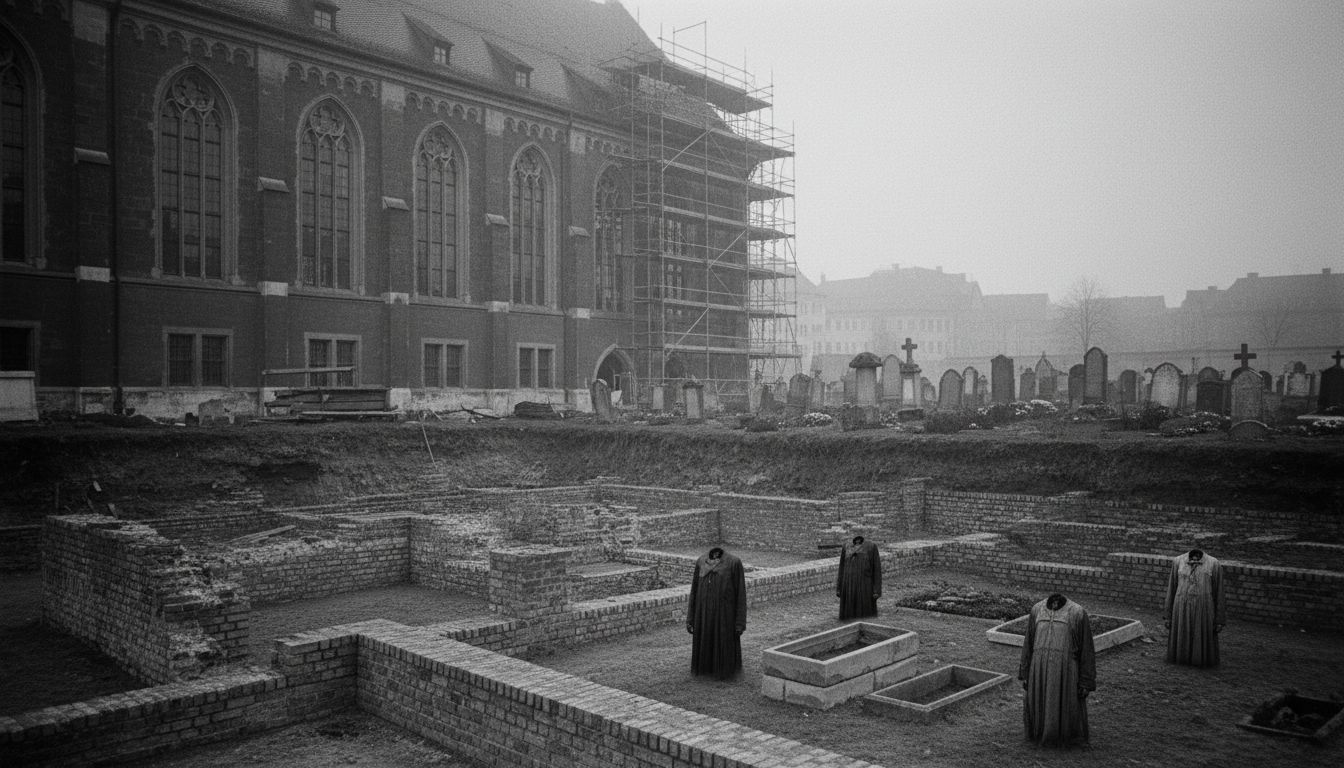
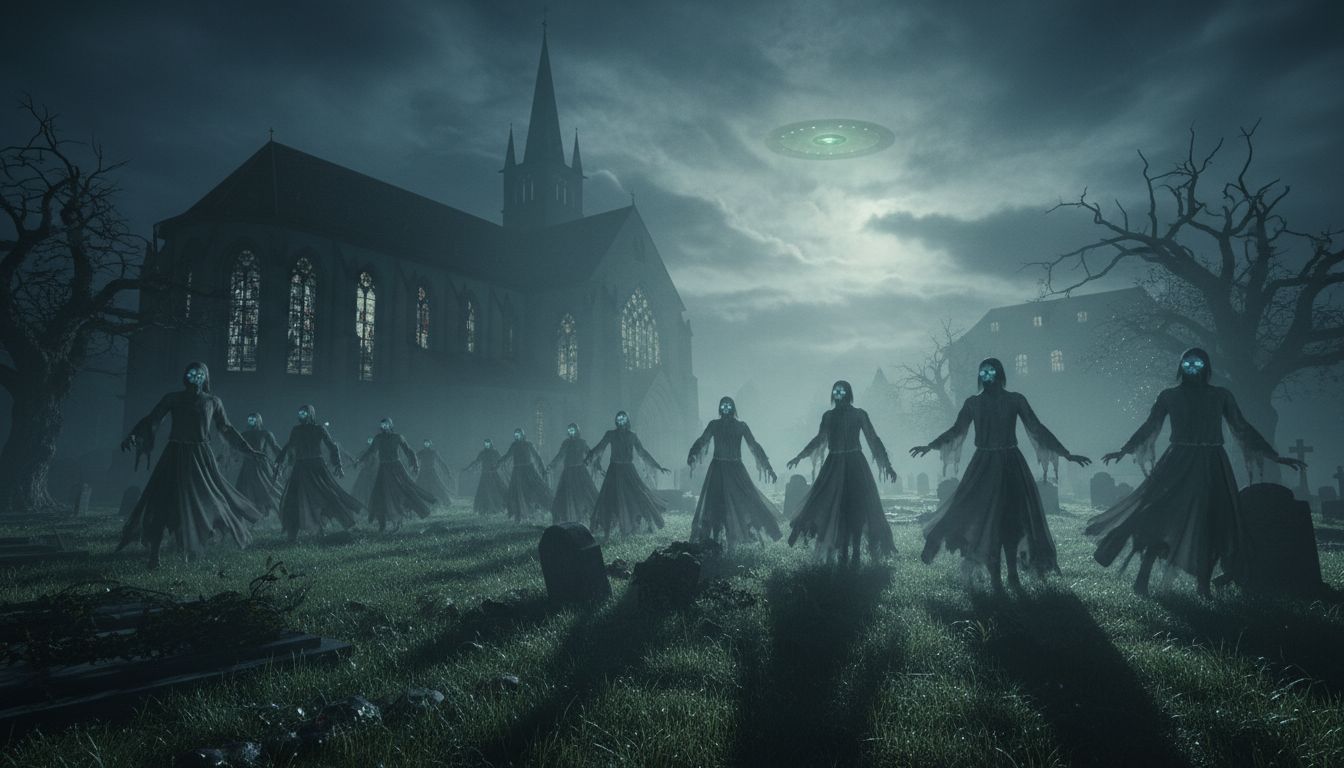
A centuries‑old Basel legend ties the city’s grim past to a spectral warning system. According to local folklore, the victims of the 14th‑century plague who were buried in a grass plot outside the Predigerkirche may rise in a “ghost procession” whenever the city faces imminent danger. The eerie march is said to echo the historic Dance of Death mural that once adorned the walls near the church, serving as a supernatural alarm bell for looming disaster.
Historical Context
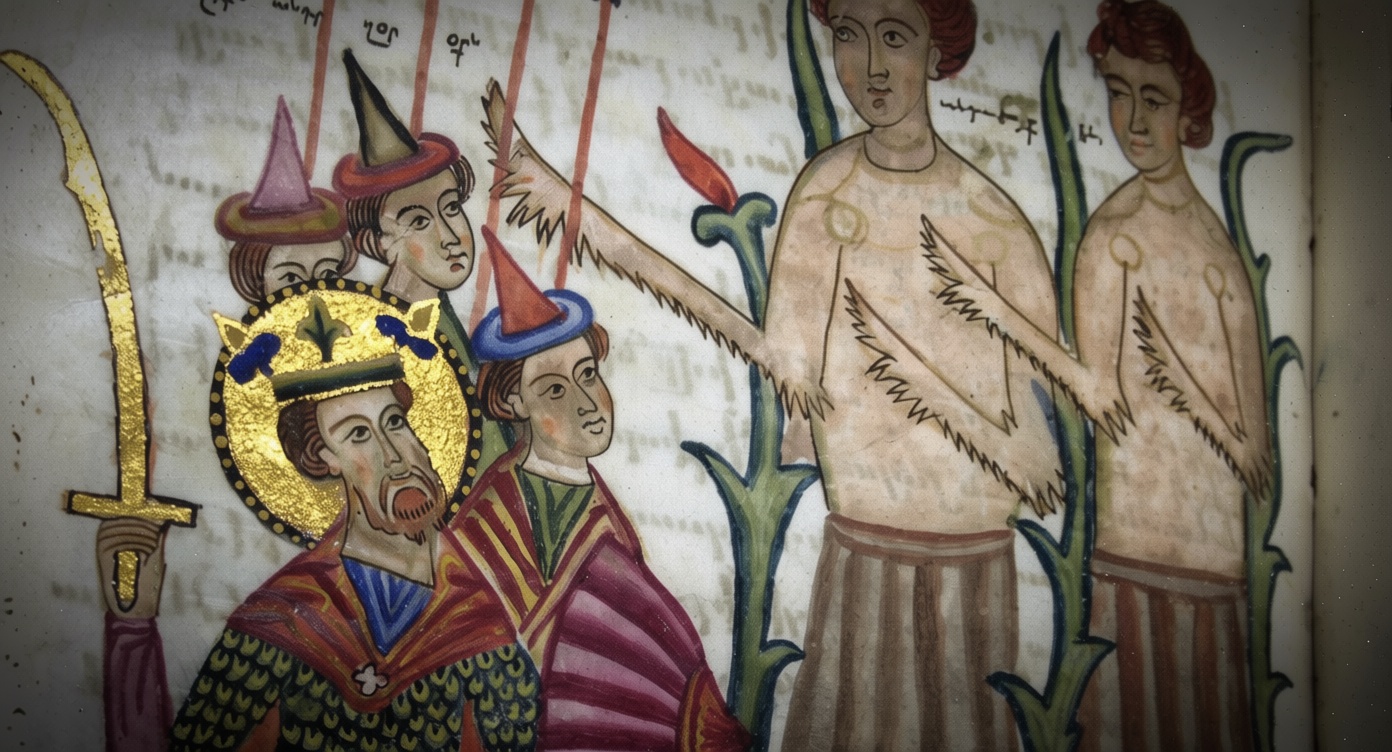
Basel’s old town was hit hard by the Black Death, first arriving in 1314 and then returning with renewed ferocity thirty‑five years later. Contemporary records from the Basel city archives note that thousands perished within weeks, overwhelming existing burial grounds. In desperation, authorities ordered mass interments in a communal plot of grass adjacent to the Predigerkirche, a practice documented in a 1350 municipal decree. The Dance Macabre fresco, painted in the late 15th century by Michael Wolgemut and later reproduced in the Nuremberg Chronicle, depicted skeletons leading people from all walks of life in a somber parade—a visual reminder that death spares no one.
The Legend’s Core
The story, recounted in the Moon Mausoleum blog on 26 March 2026, claims that when Basel “needs it,” the long‑dead will rise from their graves in a macabre procession, mirroring the mural’s choreography. The procession is described as a silent, shrouded line of figures moving through the city’s narrow cobbled streets, intended as a forewarning of an oncoming catastrophe. Historian Dr. Lena Keller of the University of Basel explains, “The legend likely emerged as a cultural coping mechanism, turning collective trauma into a narrative where the dead become protectors rather than victims.” The tale has been passed down through oral tradition and appears in several 19th‑century folklore collections, though no documented sightings have been recorded in modern times.
Contemporary Perspectives
While the ghostly march remains firmly in the realm of myth, the legend continues to influence Basel’s cultural memory. The city’s tourism office references the story in guided walking tours, and local artist groups have staged reenactments during the annual Basel Autumn Festival to illustrate the historical Dance of Death. Urban planner Marco Weber notes, “Even today, the Predigerkirche’s surrounding green space is treated with reverence; any development proposals must consider its symbolic weight.” Moreover, the Basel Historical Museum recently acquired a fragment of the original mural, underscoring the enduring link between visual art and the city’s folklore.
Significance and Outlook
The Ghost Procession legend functions as a bridge between Basel’s medieval hardships and contemporary identity, reminding residents that collective memory can shape present attitudes toward risk and resilience. Though there is no empirical evidence of supernatural activity, the narrative persists as a cultural artifact, illustrating how societies embed warnings within mythic frameworks. As Basel confronts modern challenges—from climate‑induced flooding along the Rhine to public health threats—the story’s underlying message—vigilance through remembrance—remains relevant, echoing the timeless cadence of the original Dance of Death.