Overview
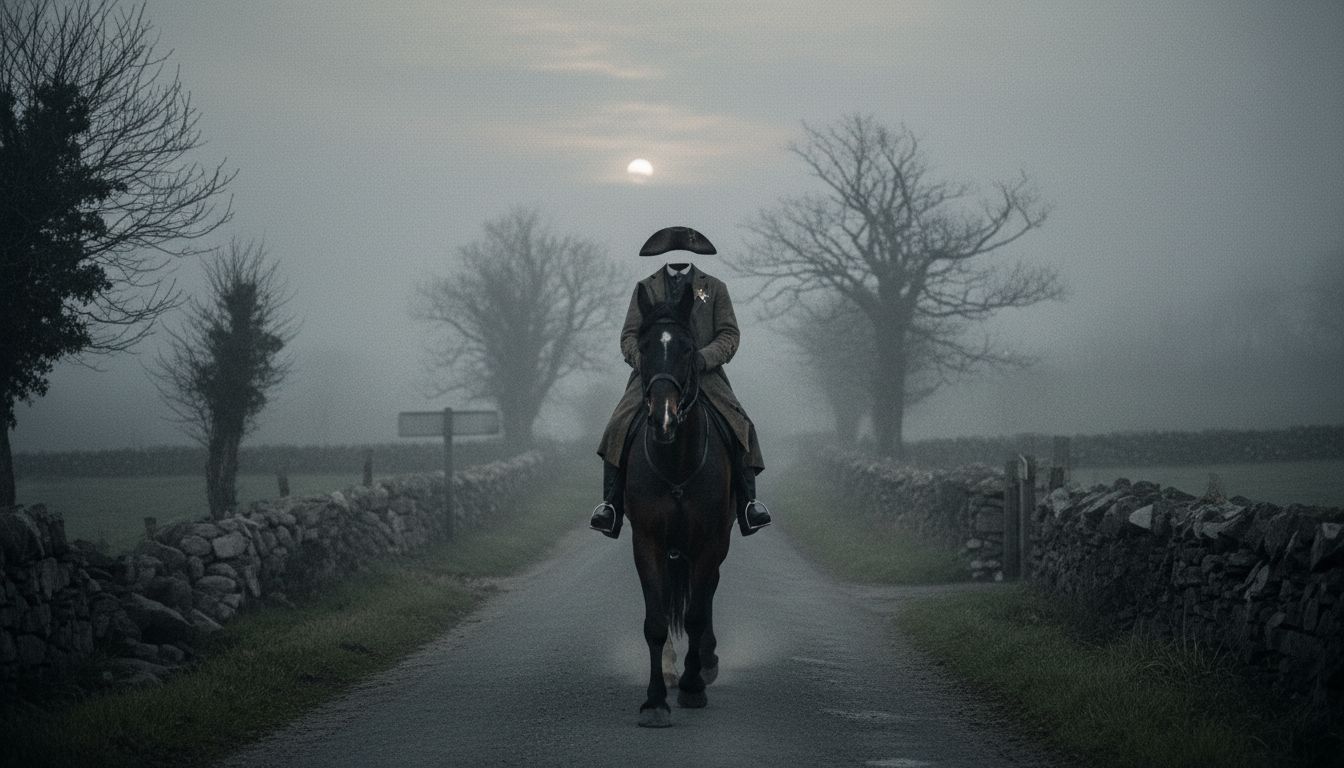
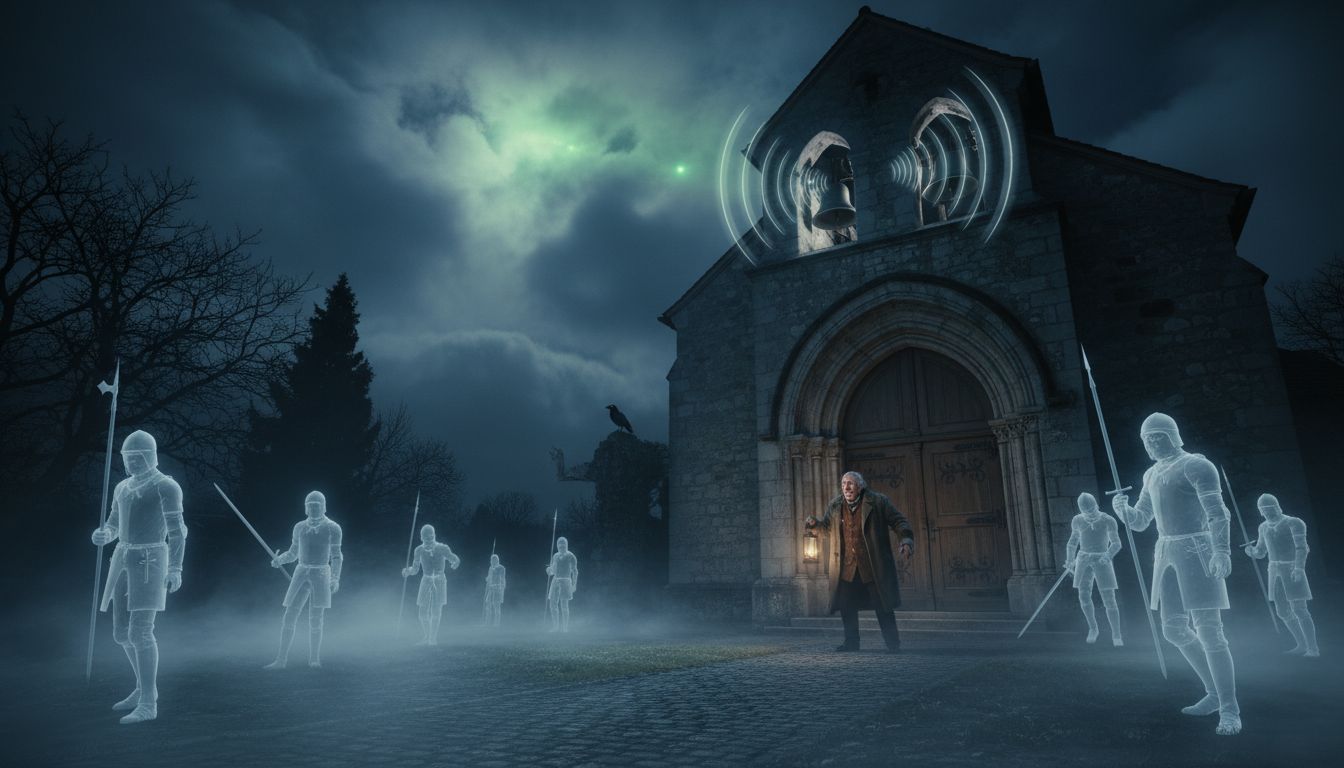
At midnight on an unnamed winter night in the early 20th century, the bells of St. John’s parish church (Stadtpfarrkirche St. Johann) in Rapperswil‑Jona began to toll without human intervention, according to a story first recorded by local politician and publicist Theodor Curti (d. 1914). When the churchwarden rushed to the tower, he allegedly found the massive bell swinging on its own and, upon descending into the nave, witnessed a procession of headless soldiers—identified as the fallen combatants of the 1388 Battle of Näfels—conducting a midnight mass. The account, reproduced on the Moon Mausoleum website on 19 December 2025, has become one of Switzerland’s most enduring paranormal legends.
Historical Context
St. John’s church, erected between 1220 and 1229 by Count Rudolf II and his son Rudolf III of Rapperswil, stands adjacent to the town’s medieval castle on Herrenberg hill. Its Roman‑Catholic nave and towering bell have long served as a focal point for community life in the “City of Roses.” The Battle of Näfels, fought near the town of Näfels in 1388, resulted in a decisive victory for the Swiss Confederation over the Habsburgs, but also left a tragic legacy of casualties whose memory persists in local folklore. The legend of the headless soldiers links this historic conflict to the church’s sacred space, suggesting a lingering bond between the town’s martial past and its religious traditions.
The Legend as Reported
According to the Moon Mausoleum article, the churchwarden’s investigation revealed the bell ringing sixty‑two times, a number that some interpret as symbolic of the fallen warriors. The narrative continues that the ghostly soldiers, clad in blood‑stained medieval armor yet lacking heads, stood in solemn formation before the altar, reciting a silent mass. The account includes a poetic excerpt attributed to JH Fornaro:
“Before this evil news reached the city,
that our brave heart had fallen in loyalty,
the great bell in Rapperswil rang sixty‑two times.”
The description emphasizes the eerie composure of the apparitions, noting that despite their gruesome appearance they appeared “solemn and composed, as though celebrating mass.” No contemporary newspaper reports or police records have been located to corroborate the incident, and the story relies primarily on oral tradition and Curti’s later retelling.
Local Perspectives
Rapperswil’s municipal archives confirm the existence of a bell‑ringing incident recorded in a 1912 parish ledger, though the entry merely notes an “unexplained ringing” and does not mention spectral sightings. Historian Dr. Elena Keller of the University of Zurich cautions that “legends like this often emerge from a mixture of genuine unexplained events and the community’s desire to embed historical trauma into a narrative framework.” She adds that the Battle of Näfels, while celebrated in Swiss historiography, has rarely been linked to supernatural folklore until the early 1900s. Local resident and tour guide Markus Schmid, who leads ghost‑walks in Rapperswil, acknowledges the story’s popularity among visitors but stresses that “there is no verifiable evidence; it remains a cultural tale that enriches the town’s mystique.”
Conclusion
While the “Ghost Soldiers of Rapperswil” story continues to captivate both locals and tourists, it remains firmly in the realm of legend rather than documented fact. The combination of a historic battlefield, a centuries‑old church, and an unexplained midnight bell toll provides fertile ground for folklore. As the town’s rose gardens bloom each spring, the tale endures as a reminder of how collective memory can intertwine history with the supernatural, preserving a narrative that, whether true or imagined, reflects Rapperswil’s deep‑rooted connection to its past.