Overview
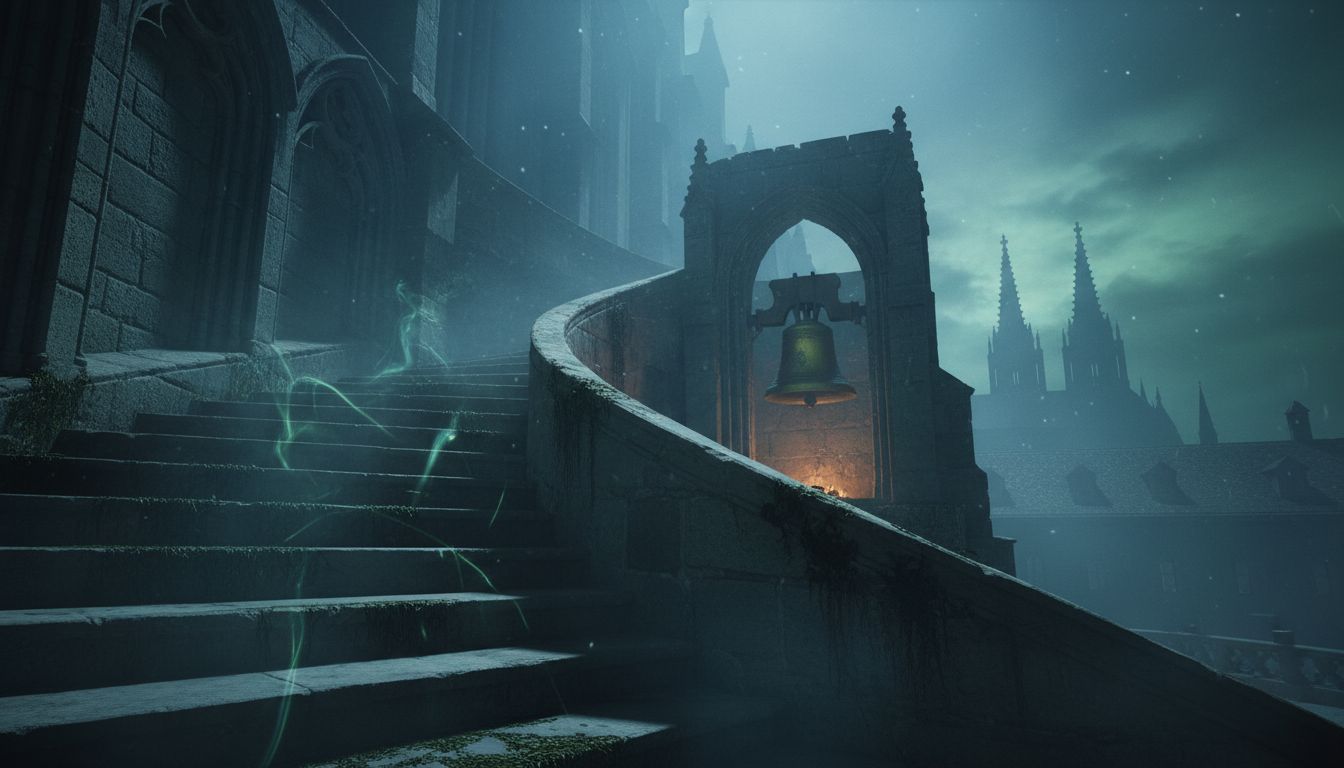
The stone stairway known locally as the Mattentreppe has long been a focal point of Bern’s urban folklore. Stretching from the Münsterplattform of the Bern Minster down toward the banks of the Aare River, the steps link the historic cathedral quarter with the former working‑class Matte district. While the route is popular with tourists for its panoramic views, residents and local historians recount a series of night‑time phenomena—creaking sounds, fleeting silhouettes, and unexplained footsteps—that have been woven into a series of New Year’s legends. The stories, which date back at least a century, are now being documented alongside the city’s cultural heritage projects.
Historical Context
The Matte area, once home to bathhouses, taverns, and even a reputed visit from the 18th‑century adventurer Casanova, developed a reputation for vice and poverty that contrasted sharply with the cathedral’s solemnity. Architectural surveys confirm that the Mattentreppe was carved into the hillside in the late medieval period to provide a direct pedestrian link between the two zones. Over the centuries, the stairway has witnessed numerous social changes, including the 19th‑century urban reforms that replaced many of the district’s wooden structures with stone.
According to Dr. Lena Keller, a professor of Swiss cultural history at the University of Bern, “the physical divide created by the stairs mirrors a social divide that existed for generations. It is no surprise that the space became fertile ground for stories that personify collective anxieties.”
Core Legends
Three primary narratives dominate the Mattentreppe’s folklore.
The Nobleman and the Cripple – A tale tells of an aristocrat who, after an illicit affair with a maid, allegedly threw himself down the stairs to avoid scandal. Witnesses claim to see a pale, well‑dressed figure pacing the steps, his cloak fluttering even on windless nights.
The Crippled Basket‑Carrier – Another story describes a severely disabled man who appeared on a landing with two heavy baskets. When passersby attempted to help, he would vanish in a puff of smoke, accompanied by a mocking laugh.
The New Year’s Bride – The most widely recounted legend occurs at midnight on New Year’s Eve. As the cathedral’s bells strike twelve, a young woman in a flowing gown and wide‑brimmed hat is said to rise from her grave and walk the stairs toward the Aare, her presence marked by a cold draft and faint, mournful music.
Local folklore collector Marco Bättig notes, “These stories function as moral parables—warning against pride, neglect, and the transience of life. They are repeated each year, especially during the festive season when the city’s lights and fireworks amplify the atmosphere.”
Recent Observations and Community Response
In the weeks leading up to the 2025 New Year, the Bern Police Department logged twelve separate reports of “unexplained noises” on the Mattentreppe after midnight. All incidents involved a single individual hearing creaking steps or a distant footfall while alone on the stairs. No physical evidence was recorded, and investigators classified the reports as “non‑suspicious.”
The city’s cultural office, meanwhile, has incorporated the legends into a new walking tour that begins at the Minster and concludes at the riverbank. Tour guide Sofia Meier explains, “We present the stories as part of Bern’s intangible heritage, encouraging visitors to appreciate both the architecture and the narratives that have shaped local identity.”
Cultural Significance
While the Mattentreppe’s hauntings remain unverified by scientific means, the legends play a tangible role in Bern’s communal memory. They attract paranormal enthusiasts, inspire artistic installations, and contribute to the city’s tourism narrative. As Dr. Keller emphasizes, “Folklore like this is a living document of how communities interpret spaces that have witnessed hardship and change.”
The continued popularity of the Mattentreppe stories underscores a broader trend: historic urban sites serving as canvases for collective imagination, especially during moments of transition such as the New Year. Whether viewed as genuine hauntings or as cultural metaphor, the tales endure, echoing each December night along the ancient stone steps that bind Bern’s past to its present.