Overview
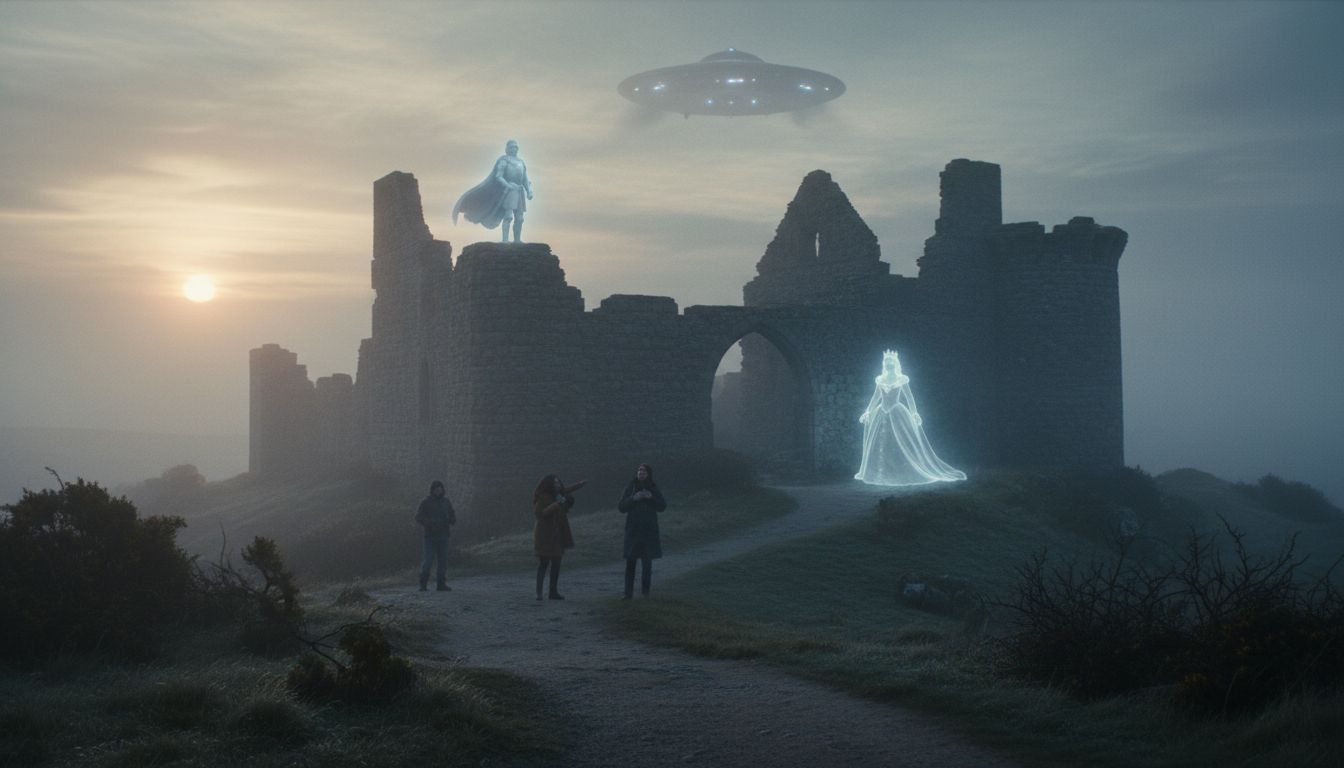
The coastal ruins of Dunstanburgh Castle in Northumberland have long attracted walkers drawn by the dramatic sea‑mist and the stark silhouette of a once‑formidable fortress. In recent months, local heritage groups and the Northumberland tourism board have documented an uptick in reports of unusual phenomena at the site after dark. Visitors describe fleeting silhouettes, cold spots, and faint sounds that they attribute to restless spirits linked to the castle’s turbulent medieval past. While the castle itself is a protected historic monument, the growing folklore surrounding it is prompting both cultural scholars and paranormal investigators to take a closer look.
Historical Background
Constructed in 1313 by Thomas Plantagenet, the second Earl of Lancaster, Dunstanburgh was intended as a statement of defiance against his cousin, King Edward II. The castle’s massive stone walls and strategic cliff‑top position made it a key garrison against Scottish incursions. Following Lancaster’s execution for treason in 1322, the stronghold changed hands repeatedly during the Wars of the Roses, enduring at least five sieges and heavy cannon damage. By the 16th century the fortress was largely abandoned, leaving only skeletal walls that now frame the North Sea horizon.
The Grim Legacy of Thomas Plantagenet
Local legend holds that Lancaster’s execution was botched: the executioner required eleven strokes to separate the Earl’s head from his body. According to oral tradition, the headless specter of Thomas Plantagenet still roams the castle grounds, cradling his severed head beneath one arm. “I saw a figure moving along the outer bailey, its head tucked under its arm, and felt an overwhelming sense of sorrow,” reported Emily Hart, a regular visitor who documented the encounter on a handheld recorder in October 2025. Historians note that Lancaster was venerated as a martyr after his death, with miracles reported at his tomb in Pontefract, a detail that may fuel contemporary ghost narratives.
The Queen’s Ghost from the Wars of the Roses
During the 15th‑century dynastic conflict, Dunstanburgh served as a contested stronghold for both Lancastrian and Yorkist forces. One surviving account from a 1485 chronicle mentions a queen—identified by some scholars as Elizabeth Woodville, consort of Edward IV—seeking refuge on the castle’s beach after a siege. Contemporary folklore describes a translucent woman in period dress walking the shoreline, her mournful sighs carried on the wind. Dr. Alan Whitaker, a medievalist at Newcastle University, explains, “The association of a royal figure with the site reflects the castle’s role as a micro‑cosm of the larger national trauma of the Wars of the Roses. The ghost story is an oral echo of that upheaval.”
Visitor Accounts and Investigations
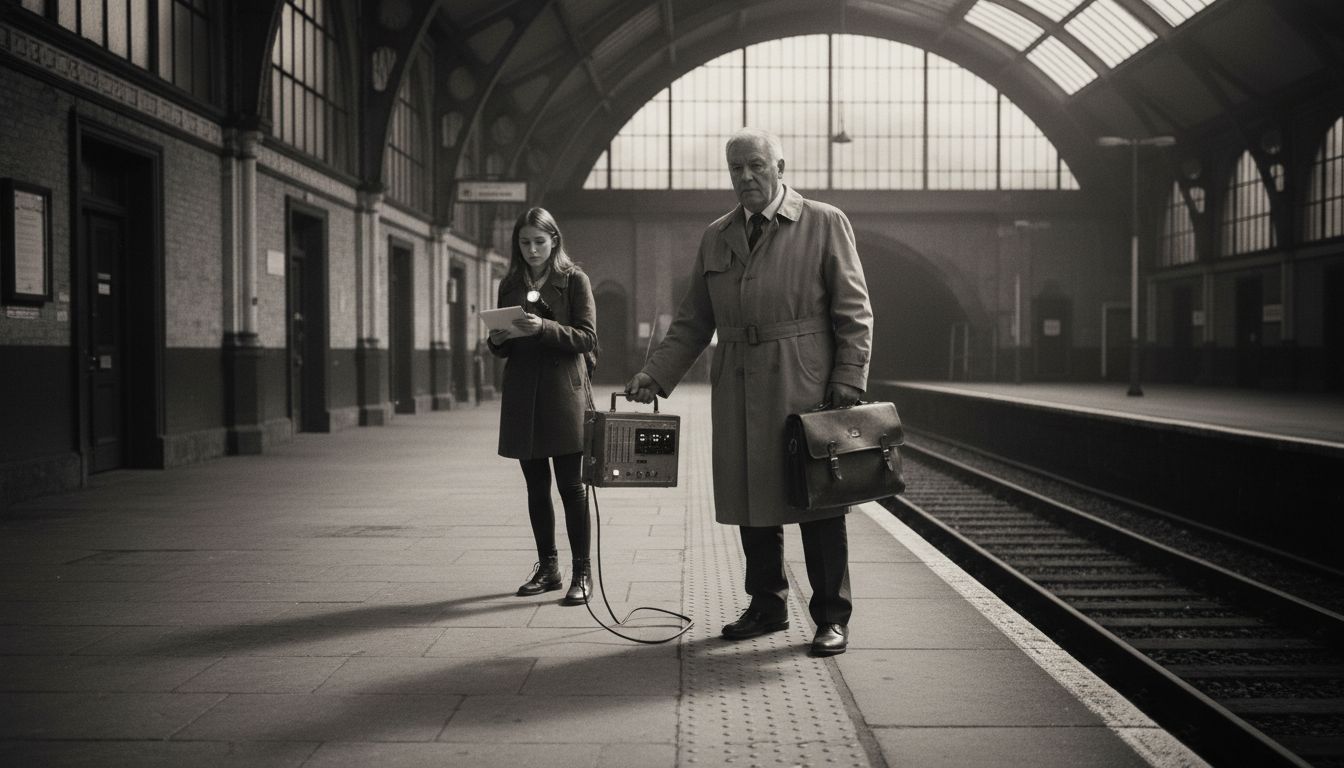
Since the summer of 2025, the Northumberland Heritage Trust has logged 23 formal complaints of anomalous experiences, ranging from sudden temperature drops to auditory phenomena such as clanking armor and distant chanting. A team from the British Society for the Study of Anomalous Phenomena (BSSAP) conducted a three‑night survey in September, deploying infrared cameras and electromagnetic field meters. Their preliminary report, released on 30 November, noted “brief, localized spikes in electromagnetic activity near the former great hall, coinciding with visual sightings reported by two separate observers.” While the data remain inconclusive, the investigators caution against definitive supernatural conclusions, emphasizing the need for further controlled studies.
Context and Outlook
The resurgence of ghost stories at Dunstanburgh Castle illustrates how historic sites can become focal points for collective memory, especially when physical remnants are sparse and the landscape is naturally eerie. Heritage professionals stress that such narratives, when presented responsibly, can enhance public interest in preservation while respecting the factual record. As the castle continues to draw tourists and researchers alike, the blend of documented history and living folklore ensures that Dunstanburgh remains not only a monument of stone but also a canvas for the human imagination.