Overview
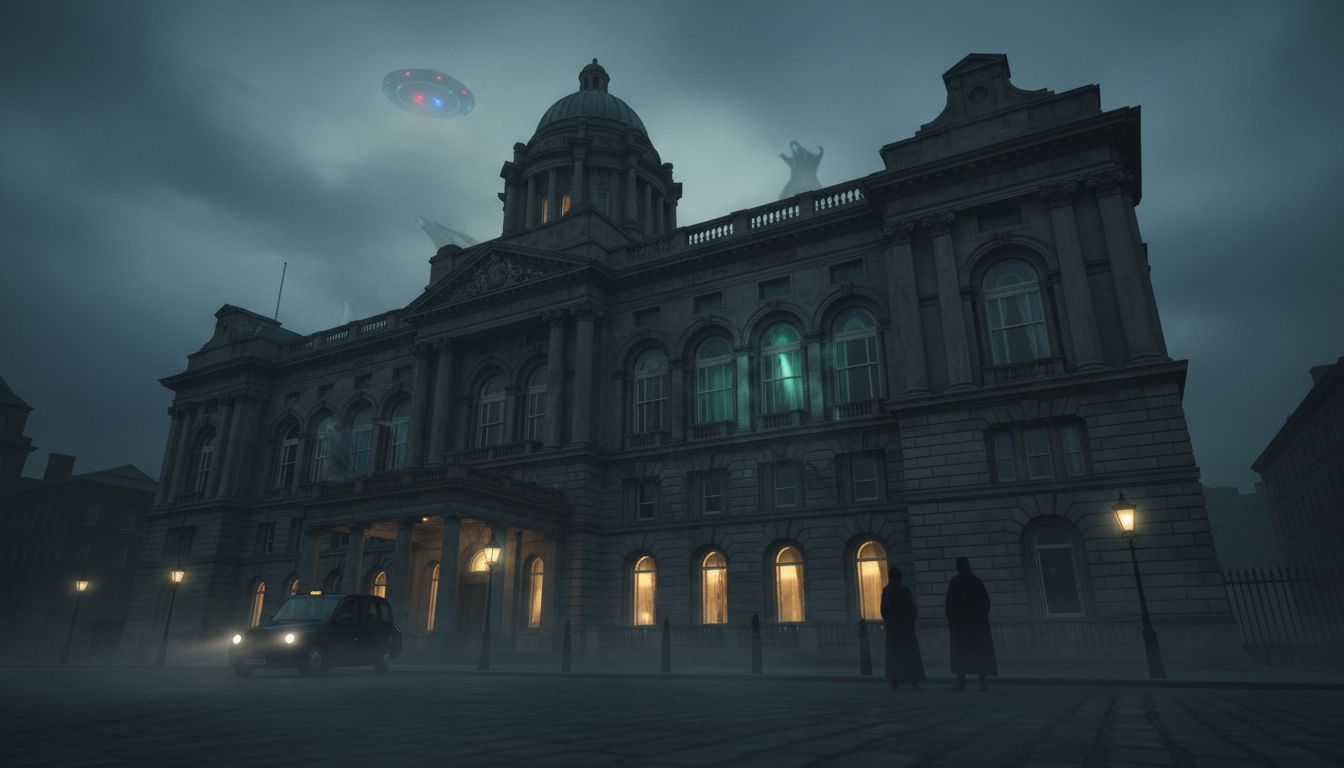
The Britannia Adelphi Hotel, situated in Liverpool’s bustling city centre, has long been celebrated for its Victorian elegance and a guest list that reads like a roll call of 20th‑century celebrities. Yet alongside its polished marble lobbies and crystal chandeliers, the hotel is also known for a very different kind of clientele: a roster of reported spirits that has earned it the informal title of Britain’s most haunted hotel. Over the past decade, staff, visitors and paranormal researchers have documented a range of unexplained occurrences—from fleeting shadows in the basement to audible tapping in upper‑floor suites—prompting both curiosity and caution among those who stay there.
A Legacy of Luxury and Tragedy
The site has hosted a hotel since 1826, when the original structure replaced the city’s early public recreation ground, Ranaleigh Gardens. A second building arrived half a century later, and the present‑day Adelphi opened in 1911 after the Midland Railway acquired the property in 1892. At its inauguration the hotel was billed as “the most elegant hotel outside of London,” attracting dignitarities such‑as Franklin D. Roosevelt, Winston Churchill, Frank Sinatra, and Hollywood icons Judy Garland and Laurel and Hardy. Even Western film legend Roy Rogers lodged his horse, Trigger, in the stables.
Despite its glamorous veneer, the hotel’s long history includes a series of documented deaths and suicides, a fact that local folklore points to as the source of its lingering hauntings. Records show that a 15‑year‑old bellboy, Raymond Brown, died in 1961 after becoming trapped in a baggage lift—a tragedy that continues to surface in anecdotal reports from guests who claim to see a young man carrying luggage before vanishing into the shadows.
Reported Phenomena Across the Building
Accounts from hotel staff and guests describe a pattern of activity that varies by floor. In the basement, witnesses have reported the fleeting silhouette of a woman dressed in Victorian attire, often accompanied by a faint scent of perfume. On the elevator shafts, a “whistler” is said to breathe down passengers’ necks and tap shoulders, prompting several employees to install motion‑sensitive cameras in 2024. The third floor—identified by several long‑time staff members as the most active area—has generated the most unsettling reports: audible growls, disembodied whispers, and a recurring “demon” presence that allegedly prowls the corridors late at night. A female apparition, described as a “pickpocket,” is said to riffle through guests’ belongings in the early morning, disappearing when confronted.
These narratives are bolstered by a handful of video clips posted on the hotel’s official social media page, where dimly lit hallways occasionally capture unexplained light flares or moving shadows. While the hotel’s management has not officially endorsed the stories, it has embraced the intrigue, offering “paranormal‑tour” packages during the Halloween season that include a guided walk through the reputedly haunted areas.
Investigation and Skepticism
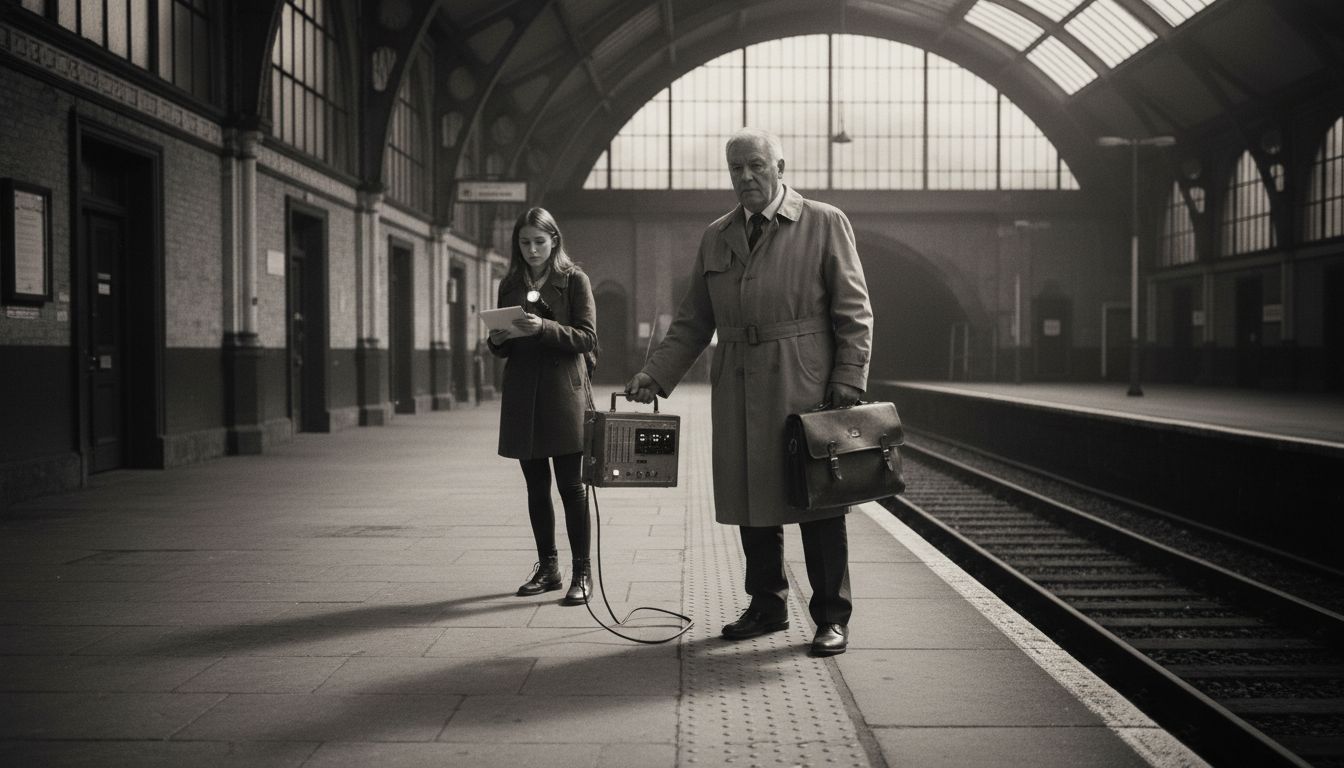
In early 2025, the British Society for Paranormal Research (BSPR) conducted a week‑long investigation at the Adelphi, deploying infrared cameras, EMF meters and audio recorders. Their preliminary report, released in a peer‑reviewed journal, noted repeated spikes in electromagnetic readings on the third floor and consistent low‑frequency sounds that could be interpreted as “whispers.” However, the BSPR team cautioned that such data can also arise from old wiring, HVAC systems, and building settlement.
Local historian Dr. Eleanor Morris, who has published extensively on Liverpool’s architectural heritage, stresses the importance of separating cultural narrative from empirical evidence. “The Adelphi’s reputation is part of the city’s folklore,” she says. “While the hotel’s past is undeniably rich—and at times tragic—there is no verifiable proof that any of these phenomena exceed the realm of perception and suggestion.”
Cultural Impact and Future Outlook
Regardless of scientific validation, the ghost stories have become an integral part of the Adelphi’s brand identity. Tourism boards have noted a 15 % rise in visitor numbers during the hotel’s “Haunted Weekend” events, and local businesses report increased foot traffic from paranormal enthusiasts. The hotel’s owners have pledged to preserve the building’s historic fabric while continuing to document guest experiences through a dedicated online portal, hoping to balance heritage conservation with the public’s appetite for the uncanny.
As Liverpool continues to celebrate its maritime and musical legacy, the Britannia Adelphi Hotel stands at a crossroads—serving both as a living museum of early‑20th‑century luxury and as a modern stage for stories that blur the line between history and the supernatural. Whether the shadows are the echo of past tragedies or simply the product of imagination, they remain a compelling draw for a city that cherishes its past as much as its mysteries.