Overview
In the historic centre of Bern, a city once dotted with Catholic convents, local folklore continues to speak of restless nuns whose spirits linger after the Reformation. While the religious houses were officially dissolved in the early 16th century, oral traditions preserve vivid tales of punished and tragic women whose “ghostly” presence is said to haunt the city’s narrow alleys and ruined cloisters. Researchers of Swiss folklore note that such narratives serve both as a reminder of Bern’s religious past and as a means of expressing collective anxieties about abrupt cultural change.
Historical Context
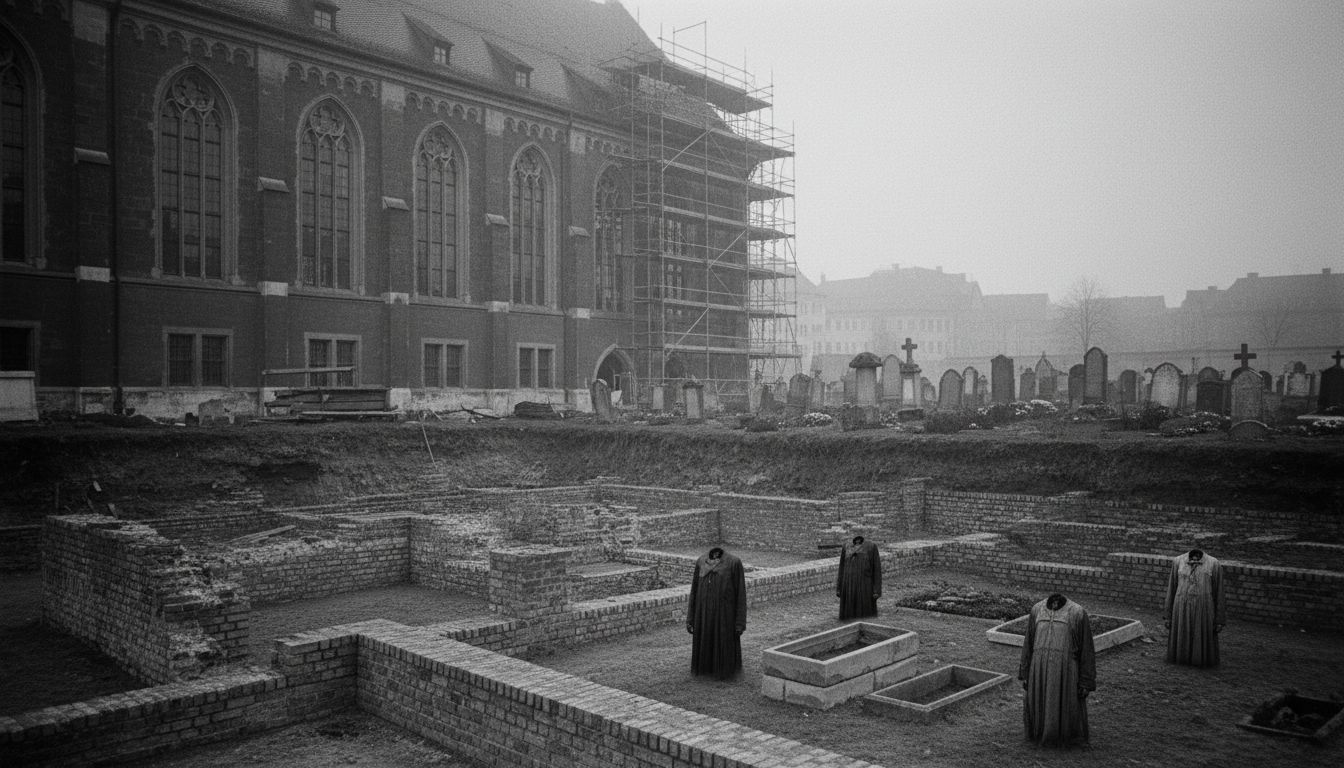
Bern embraced the Protestant Reformation in November 1523, when the city council, under pressure from reformist leaders, mandated that the Bible be preached directly, “without the filter of Rome.” Within months, the once‑numerous monasteries, nunneries, and chapels were shuttered, and the convents that had housed “pious women in black habits” were abandoned. Historical records confirm that the city’s religious infrastructure was systematically repurposed or left to decay, a process that displaced dozens of nuns and altered the urban landscape dramatically. The abrupt closure left a palpable void, which, according to folklorists, fostered stories of spirits trapped within the stone walls.
Folklore Accounts
The Walled‑Up Nun
One of the most frequently recounted legends involves a nun allegedly walled alive inside a decaying monastery. The story, first printed in a 1919 collection of Swiss ghost tales, describes a passer‑by who glimpsed a pale, pleading face through a cracked window. After returning with a companion and hearing “roars, thuds, the pounding of fists or perhaps hooves,” the men allegedly broke through a hollow section of the wall to find a skeleton seated upright, still clutching a rosary. Although the account offers no verifiable name or location, it epitomizes the motif of punitive confinement that appears in other European monastic ghost lore.
The Dancing Beguines
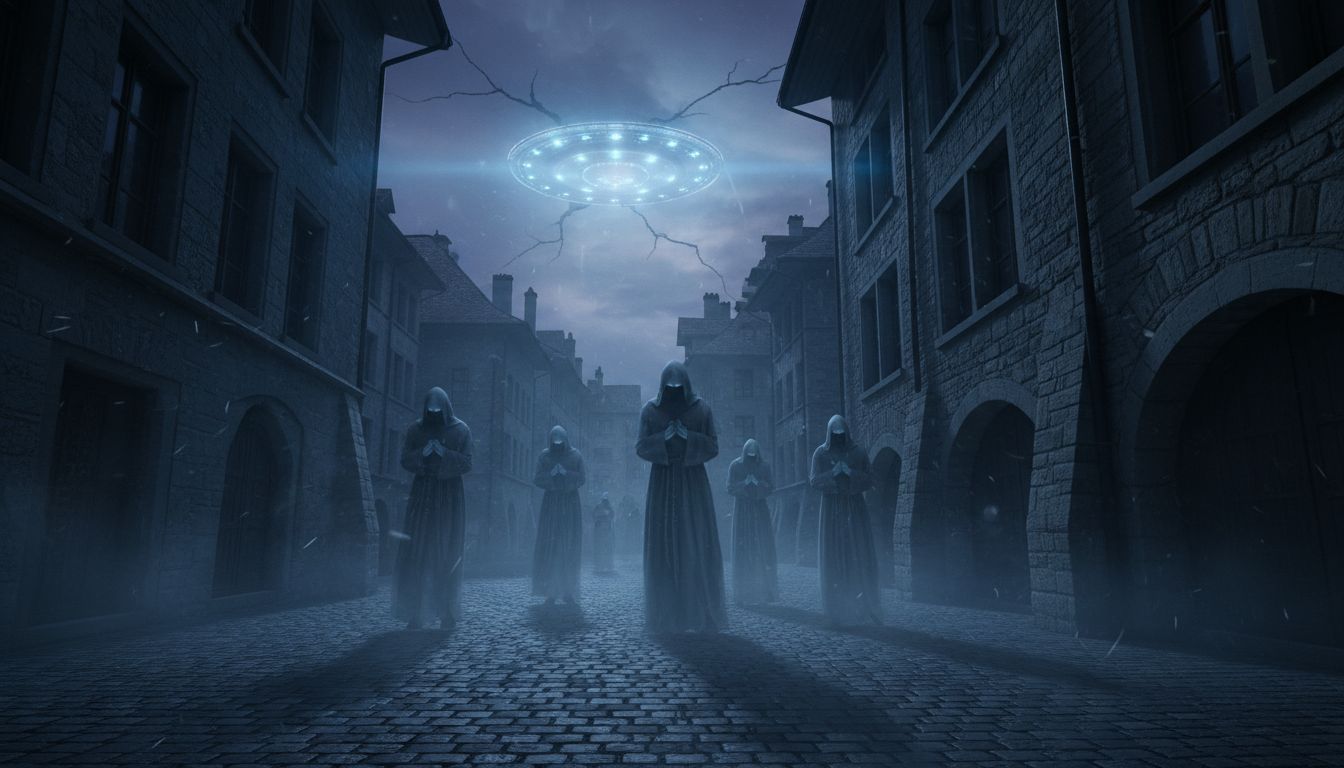
Another narrative, set near the Nydeggbrücke, tells of Beguine women—semi‑monastic lay sisters—who supposedly performed a macabre dance on Christmas Eve. Witnesses claim to hear faint music and see shadowy figures twirling in the moonlight, a scene interpreted by some locals as a spectral reenactment of a medieval rite that was suppressed after the Reformation. While the original article truncates this tale, secondary sources note that the “dancing” motif often symbolizes both devotion and defiance in folklore surrounding religious women.
Scholarly Perspective
Dr. Martina Keller, a historian at the University of Bern, emphasizes that such stories “reflect a cultural negotiation with a traumatic religious shift rather than literal hauntings.” She points out that the Reformation’s rapid dismantling of convent life left many families with unresolved grief, which was later encoded in communal narratives. Similarly, folklorist Hans Meier notes that the walled‑up nun archetype appears across Europe, suggesting a shared anxiety about institutional punishment of women who deviated from accepted norms.
Cultural Impact and Contemporary Interest
Today, Bern’s ghost tours frequently include the walled‑up nun and the dancing Beguines as highlights, drawing both tourists and local enthusiasts. The city’s tourism board lists “paranormal heritage” among its cultural attractions, though it stops short of endorsing the supernatural claims. Meanwhile, heritage preservation groups use the legends to advocate for the maintenance of the city’s medieval structures, arguing that “the stories keep the stones alive in public memory.” As Bern continues to balance its historic identity with modern development, these folklore narratives remain a poignant, if unverifiable, thread linking past and present.