Overview
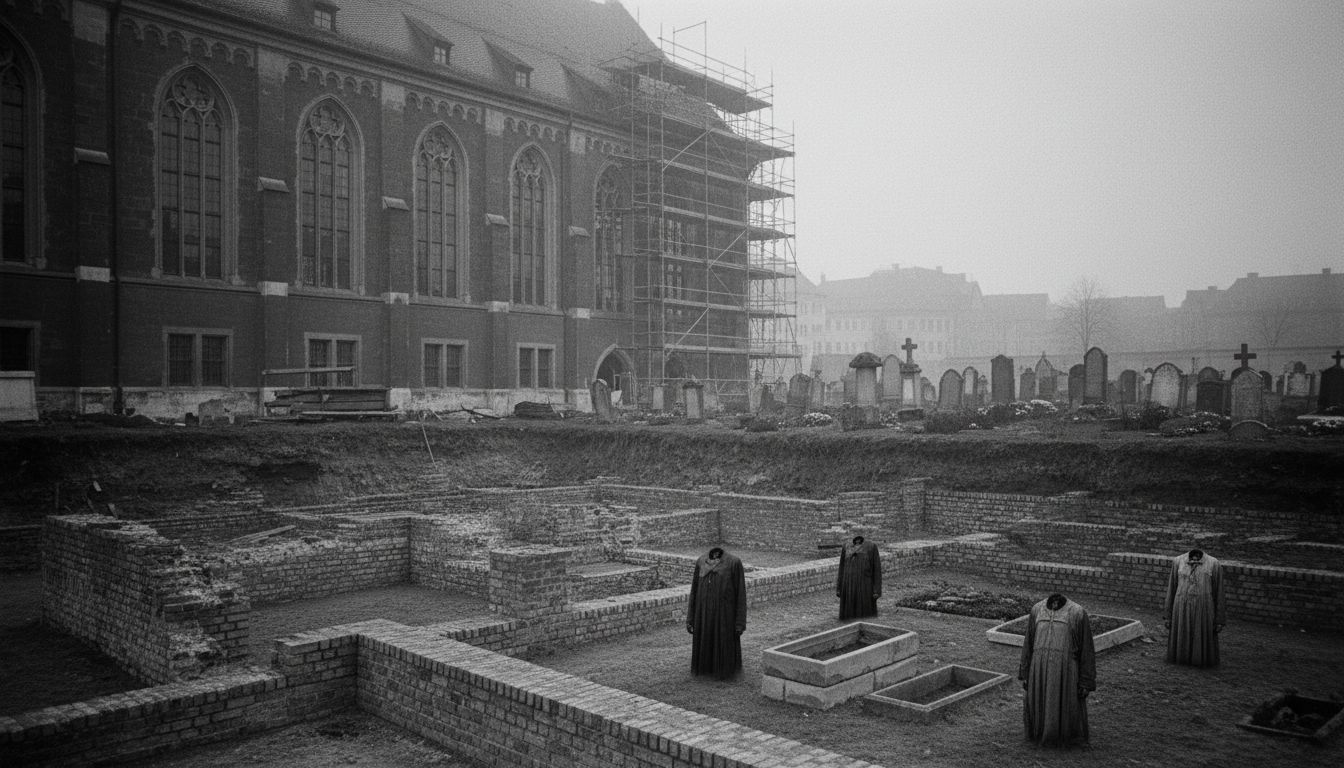
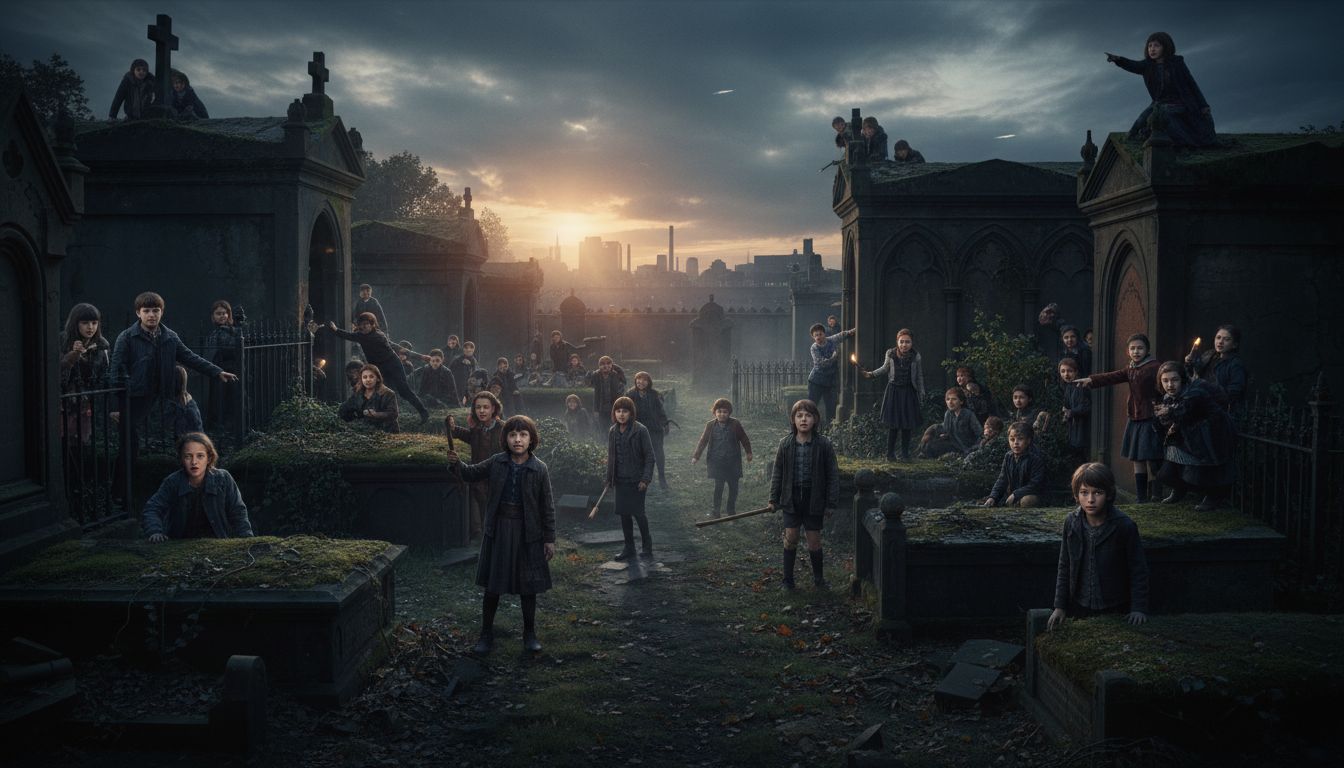
On a mist‑shrouded September evening in 1954, the Southern Necropolis Cemetery on Glasgow’s south side became the unlikely setting for a mass hysteria episode that gripped the Gorbian community. Rumors that a seven‑foot vampire with iron teeth had abducted two local boys spread rapidly among children living in the cramped tenements of the Gorbals district. Within hours, dozens of youngsters—some as young as five—converged on the Victorian graveyard, armed with sticks, knives and stones, convinced they were on a hunt for the creature. Contemporary police logs describe the scene as “a chaotic swarm of children, shouting and brandishing makeshift weapons, while adult by‑standers looked on in alarm.”
The Night of the Hunt
The children’s belief in the “Gorbals Vampire” was fueled by a combination of local folklore and the grim industrial backdrop of the area. Steelworks nearby belched sulphur‑laden smoke, casting eerie shadows that the youngsters interpreted as evidence of a lurking monster. Eyewitness accounts recorded in the Glasgow Evening Times note that the youths moved in small groups, probing mausoleums and crouching behind headstones while chanting improvised warnings. One former participant, now in his seventies, recalled: “We thought the vampire could hear us, so we had to be loud and brave. It felt like a game, but the fear was real.”
Authorities Intervene
At approximately 10 p.m., the cemetery’s night watchman alerted the local police. Officers from the Gorbals precinct arrived to find the graveyard “filled with a noisy crowd of children, many carrying sharp objects,” as noted in the official police report dated 12 September 1954. The officers’ primary concern was public safety; they dispersed the group without making any arrests, but several children received minor injuries from accidental cuts. A senior constable, cited in the report, remarked that “the situation, while unsettling, did not present a violent threat, yet the potential for harm was evident given the number of weapons involved.”
Legislative Aftermath
The incident prompted the Glasgow City Council to review existing public‑order regulations. Within weeks, the council passed the “Public Safety in Open Spaces Act 1955,” which gave local authorities the power to restrict unsupervised gatherings of minors in cemeteries and other public burial grounds. The legislation also mandated that cemetery watchmen coordinate with police during any large‑scale events. A council meeting transcript from March 1955 records a councilor stating, “We must protect our children from the dangers of unchecked superstition and ensure that sacred sites are not turned into arenas of fear.”
Historical Context and Analysis
Historians view the Gorbals Vampire episode as a classic case of post‑war urban anxiety manifesting in folklore. Dr. Fiona MacLeod, a social historian at the University of Glasgow, explains that “the Gorbals district, still recovering from wartime bombings and severe housing shortages, provided fertile ground for myths that externalized communal fears.” Similar episodes of child‑led panic have occurred elsewhere in Britain, but the Glasgow incident remains notable for its scale and the swift legislative response it provoked. While no physical evidence of a vampire ever emerged, the night at Southern Necropolis endures as a reminder of how quickly rumor can translate into public disorder, prompting lasting changes in municipal policy.