Overview
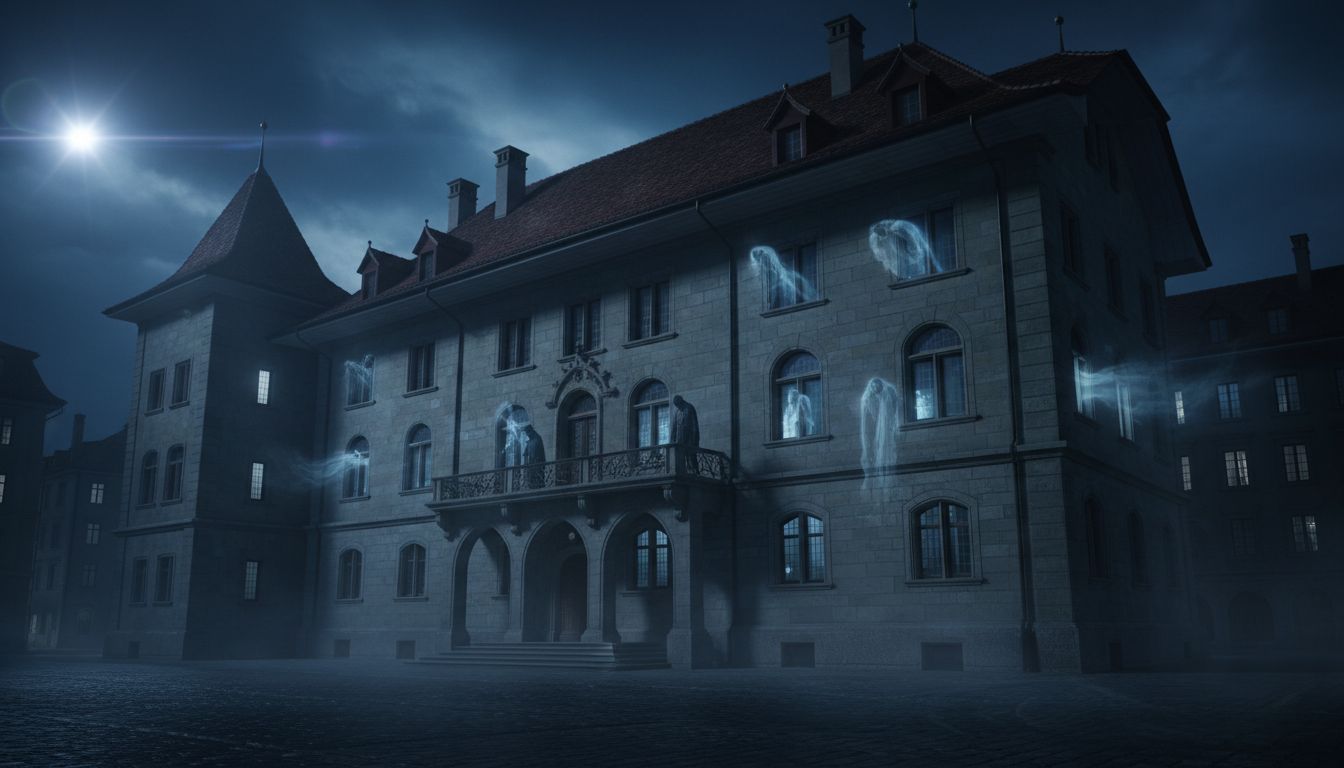
The Rathaus in Bern’s UNESCO‑protected Old Town, a 600‑year‑old Gothic masterpiece, has become a focal point for Switzerland’s paranormal folklore. While the building serves as the political hub for the Grand Council of the Canton of Bern—meeting five times a year—the same stone walls are said to host a variety of spirits after the crowds disperse. The stories, compiled by the online portal Moon Mausoleum, blend documented history with local legend, prompting both curiosity and skepticism among historians, tourists, and residents alike.
Historical Background
Construction of the current town hall began in 1406‑07 under the direction of master builder Heinrich von Gengenbach, replacing a Burgistein family townhouse. The structure was largely completed by 1417 and has since housed municipal functions, from council chambers to a historic vault. Its long service record includes episodes of political upheaval, such as the French invasion of 1798, which some narratives link to the “Mourning Treasurer”—a former official alleged to have embezzled funds that were later seized by French troops. The building’s layered past provides fertile ground for stories that intertwine real events with supernatural interpretation.
Reported Phenomena
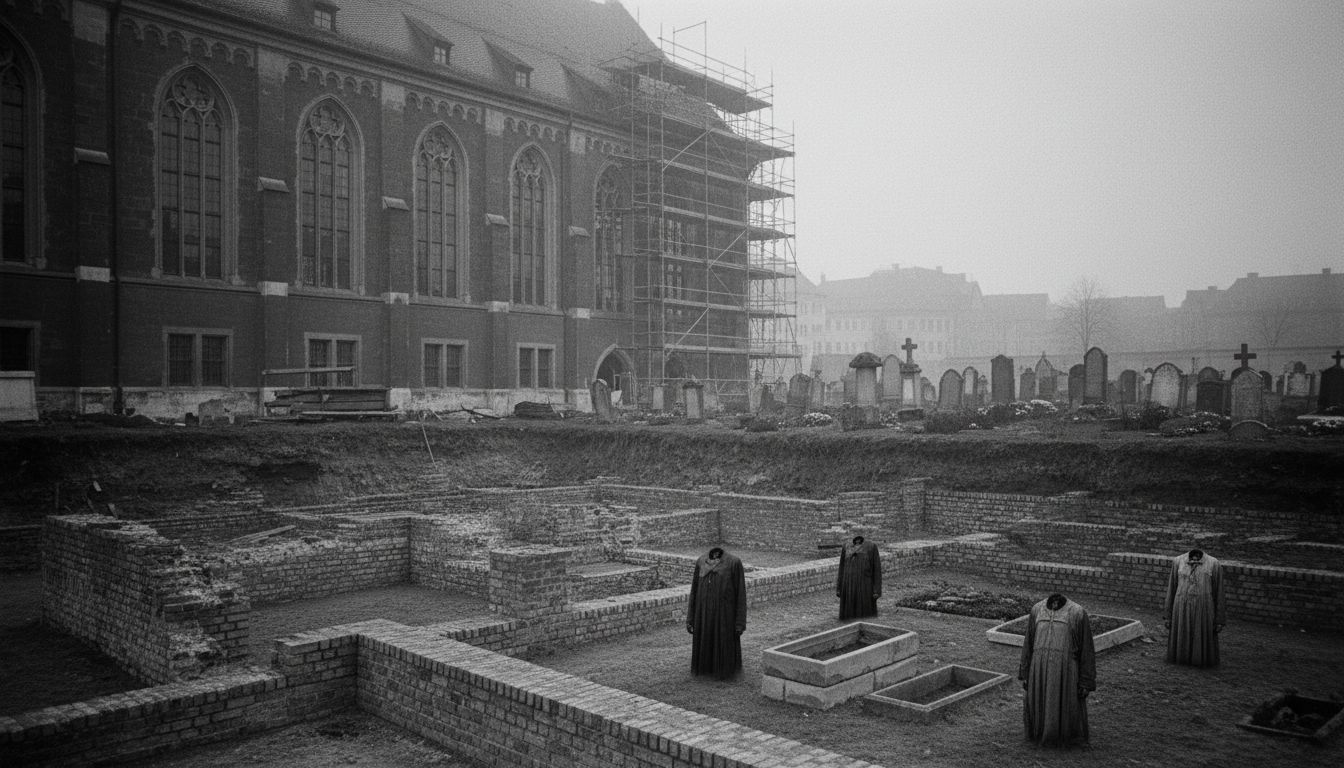
Moon Mausoleum’s account lists three primary hauntings. First, the Mourning Treasurer is said to linger in the vaults, with visitors reporting faint sobbing or the clink of coins late at night. Second, the Phantom Town Protector allegedly arrives in a gilded carriage drawn by spectral horses, disembarking a well‑dressed figure who vanishes in a swirl of mist when Bern faces crisis. Finally, the Black‑Clad Councilors are described as skeletal apparitions in 17th‑century attire who convene a midnight debate in one of the council chambers, their voices and the sound of fists striking wood echoing until the clock strikes twelve.
The site notes that these accounts are drawn from oral tradition and anecdotal reports rather than documented investigations. No scientific study or police record has confirmed the presence of unexplained sounds or apparitions, and the municipality has not issued an official statement regarding the alleged activity.
Local Perspectives
Bern’s cultural heritage office acknowledges the Rathaus’s historical significance but treats the ghost stories as part of the city’s intangible cultural heritage. “Legends like the Mourning Treasurer enrich the narrative of Bern’s past, but they remain folklore,” said Dr. Lena Keller, a historian at the University of Bern, in an interview conducted on March 24, 2026. Local tour operators, meanwhile, have begun offering “night‑time heritage walks” that reference the hauntings, noting a modest increase in visitor interest. “We present the tales as storytelling rather than fact,” explained tour guide Marco Bianchi, who leads groups through the council chambers after hours.
Context and Outlook
Paranormal tourism is a growing niche across Europe, and Bern’s Rathaus exemplifies how historic sites can attract both academic interest and popular curiosity. While the ghost narratives lack empirical verification, they contribute to the city’s cultural tapestry and generate economic activity through themed tours and media coverage. Researchers from the Swiss Institute for Folklore Studies plan to document oral histories surrounding the Rathaus later this year, aiming to differentiate between mythic embellishment and historically grounded accounts. Until such research is published, the haunted reputation of Bern’s city hall will remain a compelling, if unproven, element of the city’s rich heritage.