Overview
Wailua, a verdant district on the eastern side of Kauai, has long attracted visitors for its scenic waterfalls and historic heiau (temples). Recent interest, however, focuses on a different legacy: the Night Marchers, a series of nightly processions said to travel the Wailua River toward the afterlife. While the stories are rooted in centuries‑old Hawaiian oral tradition, they have sparked a broader debate among cultural scholars, tourism officials, and local residents about whether the entire valley can be considered a “haunted zone.”
Historical and Geographic Context
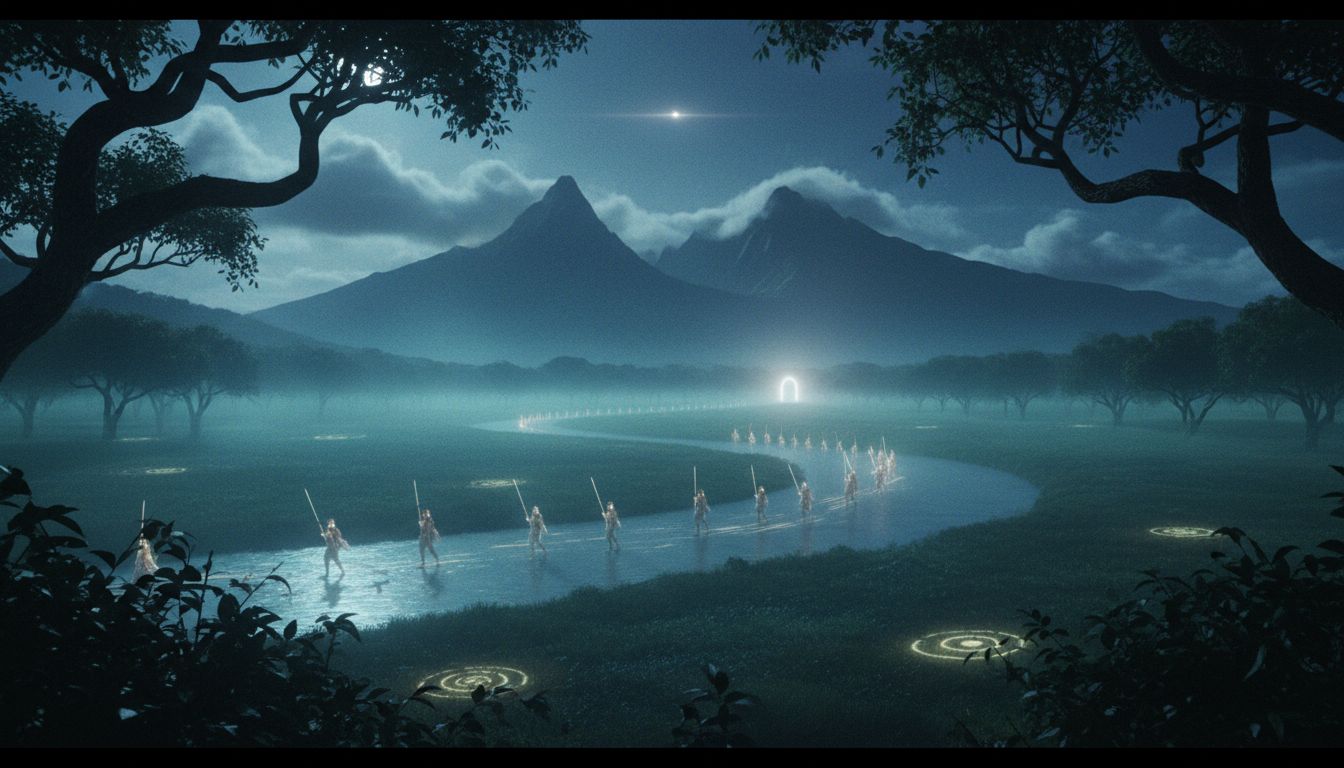
The name Wailua translates to “two waters,” referencing the convergence of the Wailua River and its tributaries that carve a lush valley beneath the Nounou (“Sleeping Giant”) mountain. The area once served as the political and spiritual hub of ancient Kauai, housing heiau, puʻuhonua (places of refuge), and the royal birthing stones used by chiefs. Because the Wailua River is the only navigable river in Hawaii capable of supporting vessels larger than a kayak, it played a crucial role in transporting people and goods, and, according to legend, the spirits of the dead.
The Night Marchers Legend
According to Hawaiian tradition, the Night Marchers—Huaka‘i Pō—are the ghostly silhouettes of warriors and chiefs who once defended the island. They are said to emerge during specific lunar phases, especially on moonless nights, paddling silent canoes down the river and later moving toward the cliffs at Polihale, a sacred site where souls are believed to leap into the next life. As the Moon Mausoleum article notes, “the spirits of those who had recently died would journey down the Wailua River in large numbers, silently paddling their ghostly canoes.”
Elder kahuna (priest) Kimo Ka‘ahea, who has studied oral histories for over three decades, explains, “The Night Marchers are not merely scary stories; they embody a cultural reminder that the land and its ancestors are interwoven. When the chants rise, they signal respect for the sacred pathways that our ancestors once walked.”
Cultural Significance and Tourism
Local authorities recognize the legends as both a cultural asset and a potential safety concern. The Kauai County Office of Tourism’s spokesperson, Leilani Mahoe, states, “We encourage visitors to learn about the Night Marchers respectfully, but we also advise against night‑time river excursions in areas where the legends are most active.” The county has begun offering guided daytime tours that include talks on the historical heiau and the mythology surrounding the river, aiming to balance curiosity with cultural sensitivity.
Perspectives and Outlook
Scholars such as Dr. Maya L. Kealoha of the University of Hawai‘i note that the “haunted” label can oversimplify a complex spiritual worldview. “When we frame an entire valley as haunted, we risk reducing a living cultural landscape to a novelty,” she says. Nonetheless, the legends continue to shape community identity, influencing everything from local art to school curricula. As interest grows, the challenge will be to preserve the authenticity of Wailua’s heritage while responsibly managing the influx of tourists drawn by the allure of the Night Marchers.