Overview
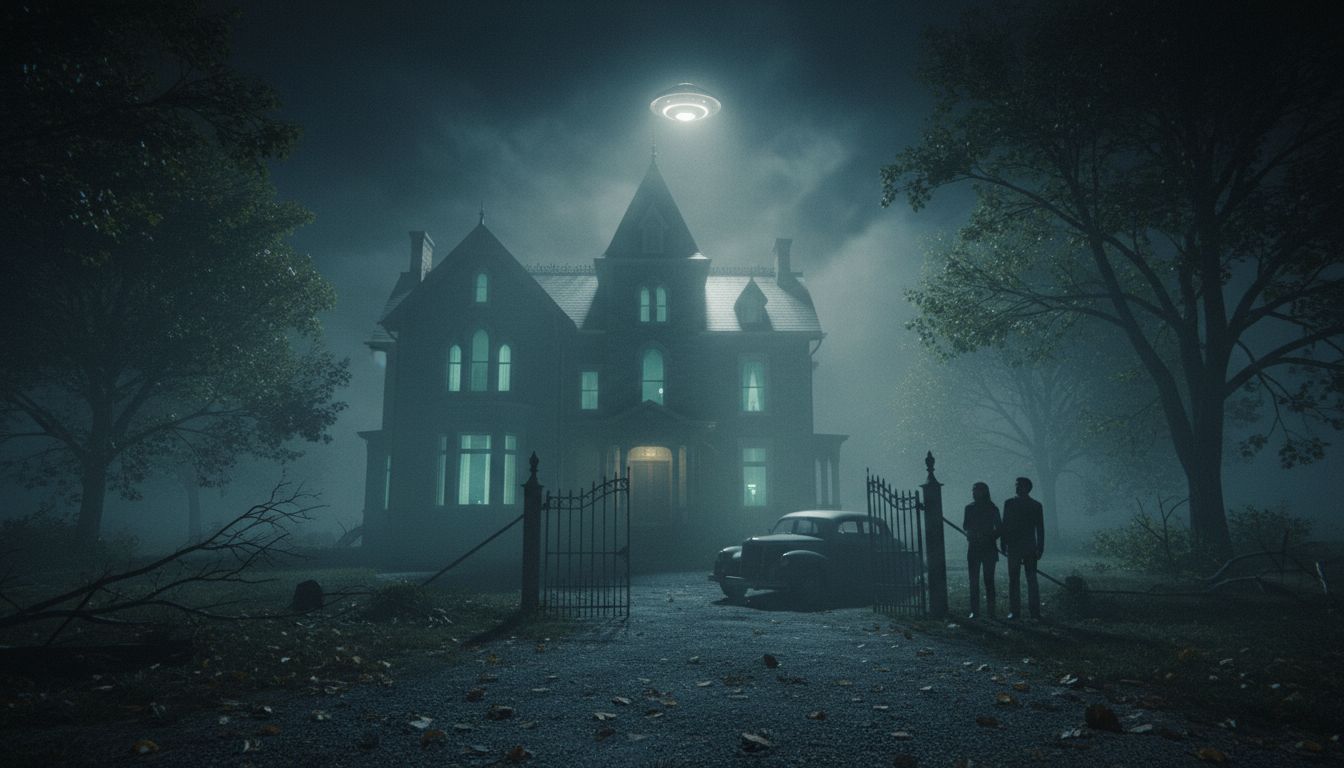
The Carl Beck House, a Victorian‑era mansion perched on the waterfront of Penetanguishene, Ontario, has transitioned from a private family residence to a publicly listed short‑term rental. While its architectural grandeur draws tourists, the property is equally noted for a long‑standing reputation as one of the region’s most haunted sites. Guests who book the house through Airbnb frequently report unexplained phenomena—moving blankets, sudden temperature drops, and fleeting silhouettes—that they attribute to the lingering spirits of the original Beck family. The claims have been documented in a guestbook kept on the premises and have attracted the attention of paranormal researchers and local folklore enthusiasts alike.
Historical Background
Constructed in 1866 by German‑immigrant lumber magnate Karl Maxillian (Charles) Beck, the mansion was designed in the Italianate style and was, at the time, the largest private dwelling in the area. Beck, who served as Penetanguishene’s mayor from 1892 to 1895 and owned the town’s first automobile, lived there with his wife Emelia and their nine children until his death in 1915. The house remained in the family for several decades before changing hands and eventually being listed as a short‑term rental in the early 2020s. Its transformation from a private home to a commercial lodging venue has made the historic property more accessible to visitors seeking both heritage and, for some, a brush with the supernatural.
Reported Paranormal Activity
The Beck House’s reputation for hauntings rests on a series of recurring reports. Visitors have described unexplained footsteps, whispers heard in empty rooms, and lights that flicker without an apparent source. The guestbook contains entries noting that blankets “moved on their own while we slept,” and several guests claim to have seen “apparitions dressed in Victorian clothing” drifting through hallways. Local legend adds that as many as twenty distinct spirits may be confined within the walls, including a “spurned daughter” who allegedly returns to her childhood home. While no scientific study has verified these accounts, the consistency of the anecdotes has prompted informal investigations by regional paranormal societies, which catalog the house among Ontario’s most frequently reported haunted locations.
Guest Experiences and Rental Operations
Since its listing on Airbnb, the Beck House has welcomed a steady stream of tourists intrigued by its dual appeal of heritage architecture and eerie folklore. The property’s owners have embraced the narrative, providing a “haunted‑house experience” package that includes a historical briefing, a copy of the guestbook, and a warning about a green‑dressed doll that some guests claim reacts to their presence. Reviews on the platform reflect a split perception: many guests appreciate the well‑preserved interiors and scenic setting, while a minority describe unsettling encounters that they deem “beyond the ordinary.” The owners maintain that all reported phenomena are anecdotal and have not interfered with the house’s operation, emphasizing that the rental complies with local safety regulations and that any supernatural claims are “part of the house’s unique story.”
Assessment and Outlook
From a journalistic standpoint, the Beck House exemplifies how historic properties can become focal points for both cultural heritage and contemporary mythmaking. While the architectural significance of the mansion is well‑documented—its Italianate design and association with a prominent 19th‑century entrepreneur—its paranormal reputation remains largely anecdotal, supported by guest testimonies rather than empirical evidence. As interest in heritage tourism grows, the Beck House is likely to continue attracting visitors drawn to its storied past and the allure of the unknown. Whether future investigations will substantiate the claims of lingering spirits or relegate them to folklore remains to be seen, but the mansion’s place in Ontario’s cultural landscape is undeniably cemented.