Overview
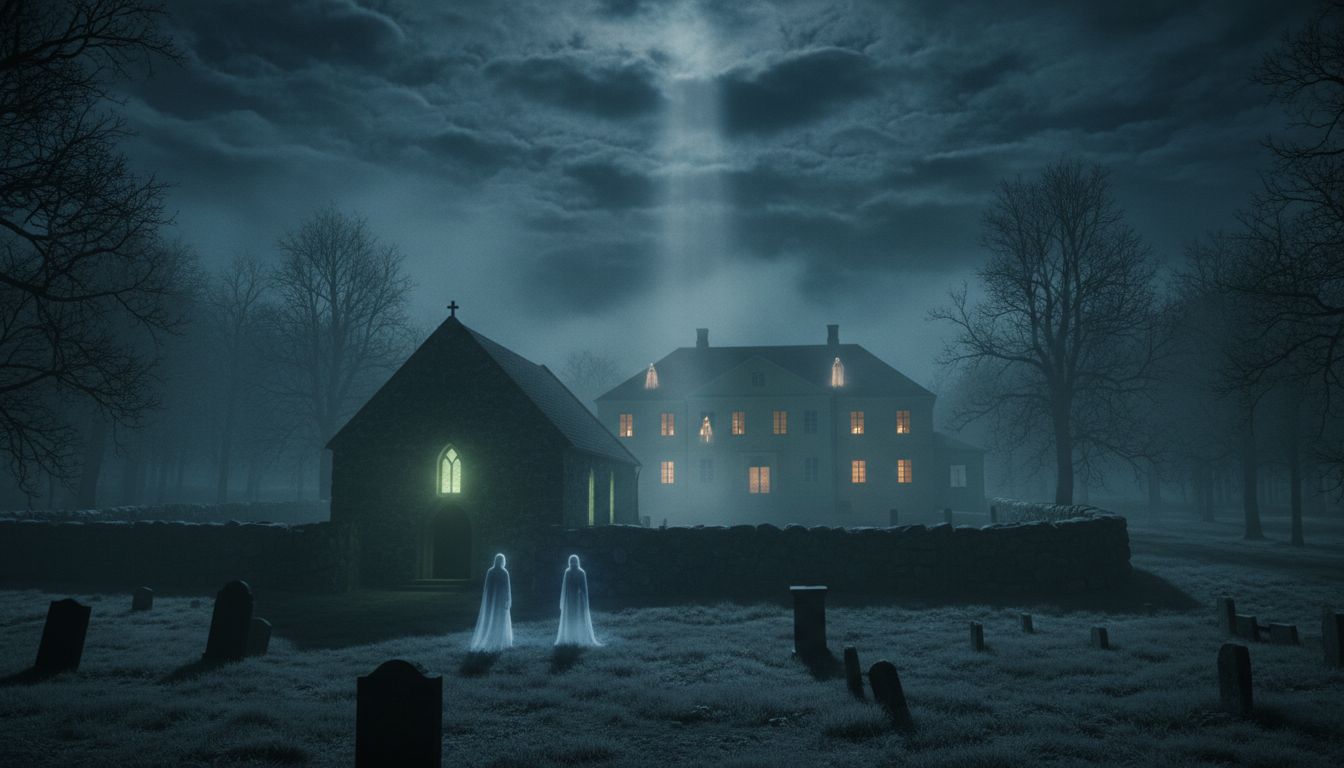
The agricultural heartland of Toten in eastern Norway has long been celebrated for its fertile fields, historic waterways, and well‑preserved 19th‑century farmsteads. Yet, beneath its bucolic surface, a cluster of folklore narratives continues to attract both scholars and visitors. Recent documentation from the open‑air museum at Stenberg Gård, parish records of Hoff Church, and oral histories from the Bøverbru brook area reveal a persistent belief in lingering spirits—most notably the “spectral priests” said to haunt the church and rectory, and the enigmatic presence associated with the former manor house of Stenberg. While the tales are rooted in local tradition, researchers are now tracing their origins to documented events from the early 1800s.
Stenberg Gård and Its Historical Context
Stenberg Gård, now part of a cultural museum complex, was transformed in 1802 when Lauritz Weidemann (1775‑1856), a county magistrate and delegate at the 1814 constitutional assembly at Eidsvoll, acquired the farm. Weidemann redesigned the estate’s yard and commissioned a 30‑acre English‑style park, turning the property into a regional showcase of 19th‑century architecture and agrarian life. The manor’s preservation has made it a focal point for heritage tourism, but it is also reputed to be the site of Toten’s most famous ghost story.
Visitors and staff report “unexplained sounds after dark, shifting shadows in empty rooms, and an unsettling feeling of being observed,” according to a 2025 visitor‑log compiled by the museum’s curator, Karin Larsen. “We have recorded over thirty separate accounts in the past two years, many from repeat visitors who describe similar phenomena,” Larsen noted. While the museum attributes some incidents to the building’s acoustics, the consistency of the reports has prompted a small interdisciplinary study involving local historians and a university psychology department.
Hoff Church and the Spectral Priests
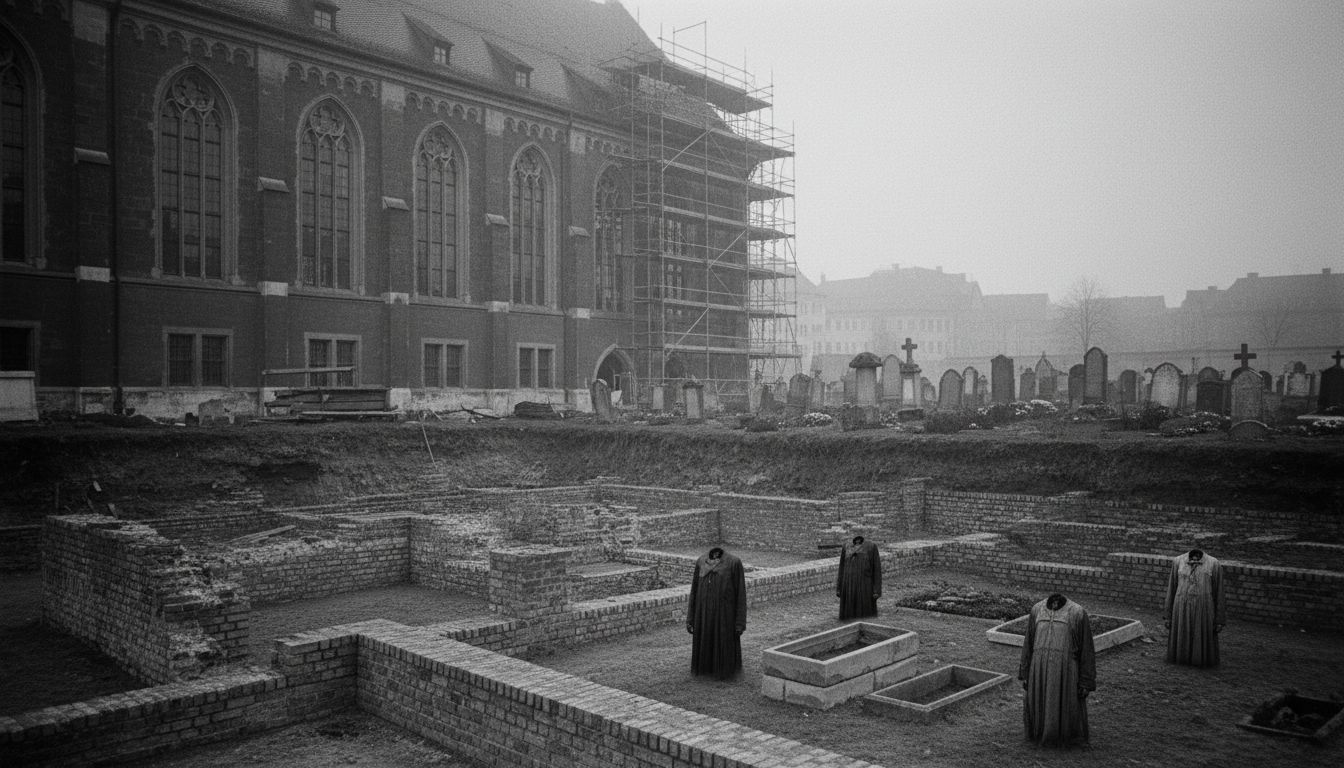
Hoff Church, a stone parish church dating to the 12th century, sits a short distance from Stenberg. Parish archives mention two 17th‑century clergy—Pastor Hans Bøe (d. 1652) and Rev. Peder Haugen (d. 1689)—who died under contentious circumstances. Local legend holds that both priests returned as apparitions to the church and its rectory, warning congregants of moral lapses. The earliest written account appears in a 1793 diary of farmer Olav Sundby, who described “a pale figure in a black cassock passing the nave at midnight, followed by a cold wind that extinguished the candles.”
Modern historians, such as Dr. Eirik Nilsen of the University of Oslo, view the story as a conflation of historical anxiety and folklore. “The 17th century was a turbulent period for the Norwegian church, with tensions over liturgical reforms and local power struggles,” Nilsen explained. “It is plausible that collective memory of controversial clerical figures was transformed into ghost narratives that served as moral cautionary tales.”
Community Perspectives and Ongoing Research
Local residents remain divided between skepticism and belief. Marit Haugen, a lifelong inhabitant of the nearby village of Lena, recounts a personal experience: “One winter night I heard chanting from the rectory, though no one was inside. It stopped as soon as I stepped outside.” Conversely, Jonas Berg, a regional journalist, emphasizes the need for empirical evidence, noting that “most reports lack corroborating physical data, and the psychological impact of expectation cannot be ignored.”
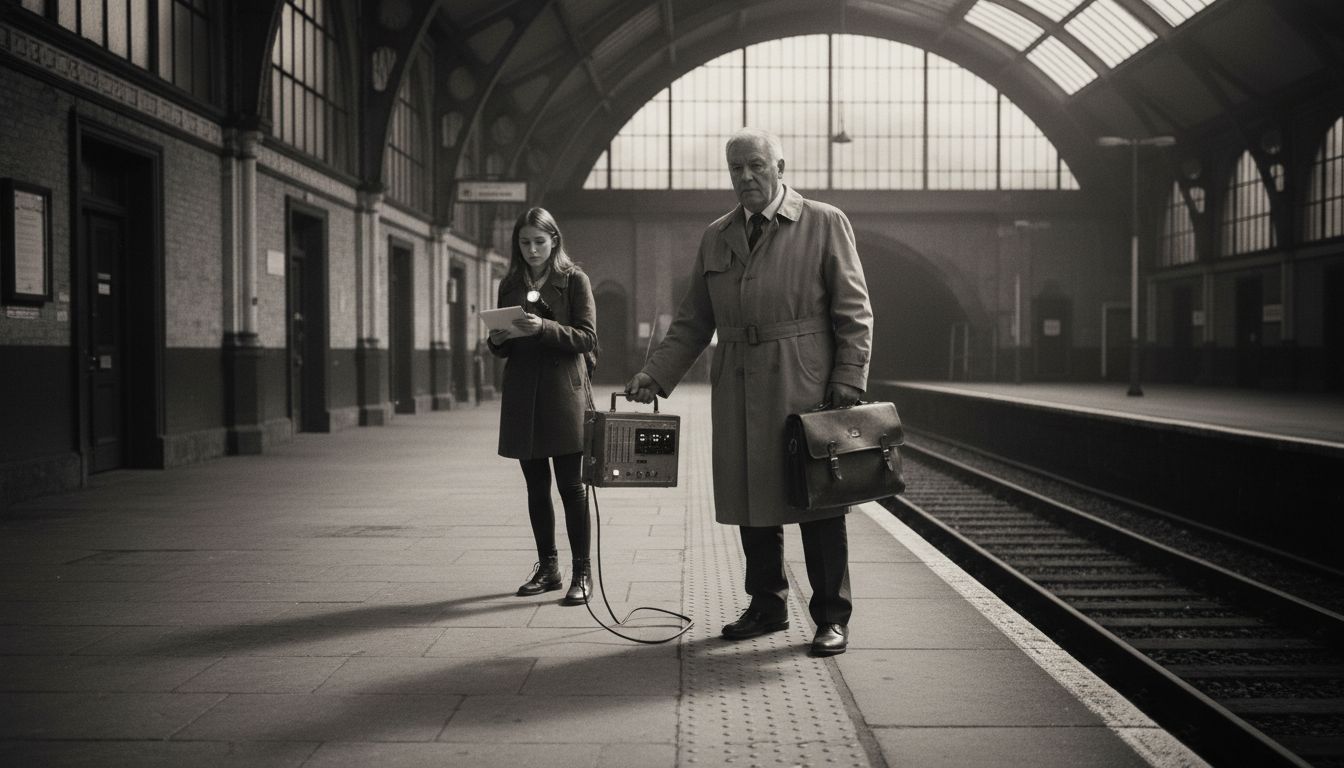
In response, the Toten Cultural Heritage Board has funded a joint project with the Norwegian Institute for Cultural Studies to install discreet environmental sensors at both Stenberg Gård and Hoff Church. The goal is to capture temperature fluctuations, electromagnetic readings, and audio anomalies over a twelve‑month period, providing a baseline for future analysis.
Conclusion
The haunted legends of Stenberg Gård, Hoff Church, and the surrounding Toten landscape illustrate how historical events, architectural heritage, and communal memory intertwine to produce enduring folklore. While the spectral priests and manor ghosts remain unproven, the systematic documentation of sightings and the new scientific monitoring efforts underscore a growing willingness to examine these stories through both cultural and empirical lenses. Whether the phenomena will ever be definitively explained, they continue to shape Toten’s identity, drawing curiosity seekers and reinforcing the region’s reputation as a place where the past feels palpably present.