Overview
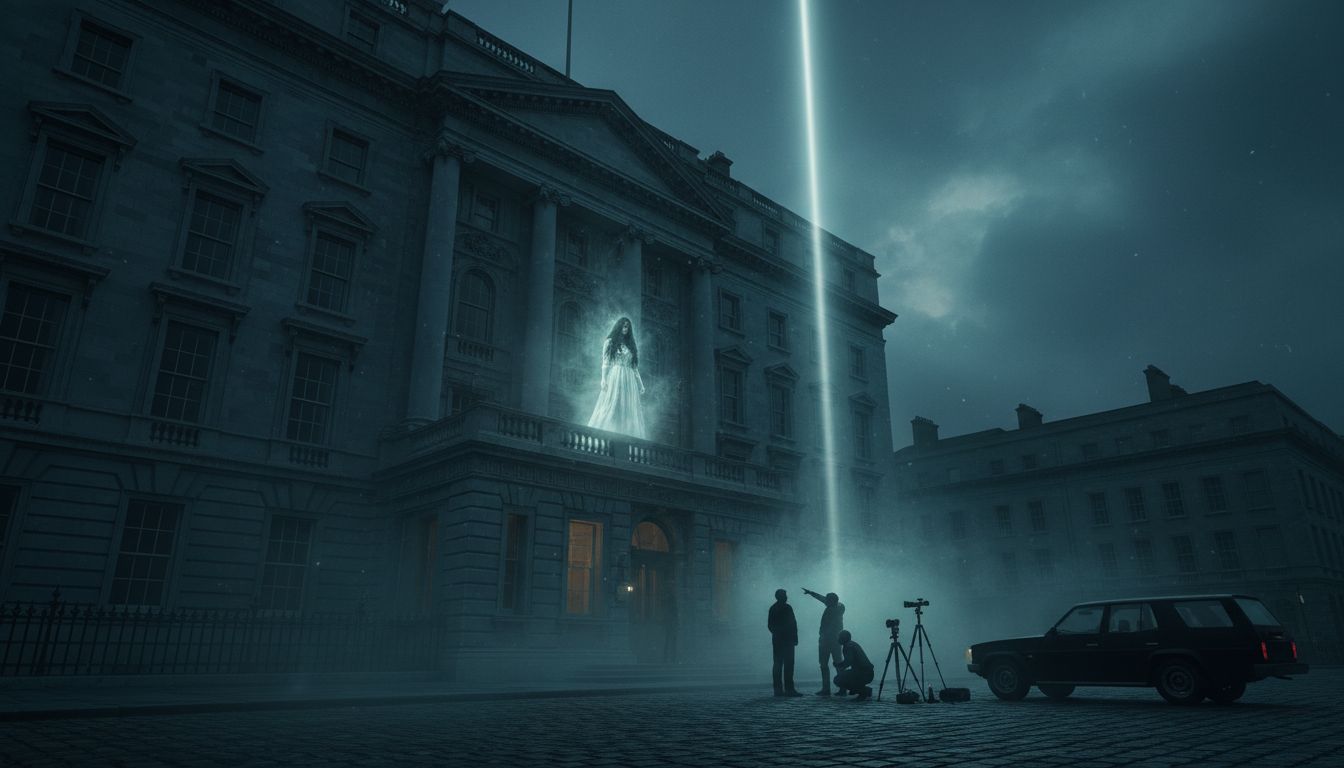
The Shelbourne Hotel, a Georgian landmark on Dublin’s St. Stephen’s Green, has long been celebrated for its historic elegance and high‑profile clientele. In recent years, the hotel has also attracted attention for reports of unexplained activity that staff, guests, and paranormal investigators attribute to a single specter: Mary Masters, a young woman who died of cholera in the mid‑19th century. While the hotel’s management acknowledges the folklore, it emphasizes that the property remains a premier hospitality venue.
A Century‑Old Institution
Opened in 1824 by Martin Burke of Tupperary, the Shelbourne was built from three townhouses purchased on the green and quickly became a hub for royalty, politicians, and literary figures. Its Georgian façade and crystal‑chandelier interiors have been preserved through multiple renovations, and the hotel continues to host diplomatic events and celebrity stays. Historical records confirm that a cholera outbreak swept Dublin in 1847, claiming dozens of lives, including that of a 16‑year‑old named Mary Masters who was reportedly a guest at the hotel when she fell ill.
The Legend of Mary Masters
According to the hotel’s oral tradition, Mary Masters’ spirit has lingered in the building for “centuries.” The most frequently cited location is Room 526, where guests have described lights flickering, taps turning on without cause, and an inexplicable sense of being watched. Hotel staff describe the phenomenon as “a subtle, recurring presence” rather than overt manifestations. The story gained wider public attention after American paranormal researcher Hans Holzer and British psychic Sybil Leek visited the Shelbourne in 1965. Their joint investigation, documented in contemporary reports, concluded that the activity was consistent with a “young, distressed entity,” which they linked to the historical Mary Masters.
Contemporary Accounts
In the past decade, the Shelbourne has logged several anecdotal incidents that reinforce the ghost narrative. A 2023 guest, identified only as “J. O’Connor,” told the Irish Times that she awoke to the sound of a child’s lullaby emanating from an empty corridor. In 2024, celebrity chef Gordon Ramsay reportedly remarked to staff that the “atmosphere in the ballroom felt oddly heavy” during a private event, prompting a light‑hearted comment about “the hotel’s famous resident.” Hotel employees, including head concierge Siobhán Murphy, have described occasional “cold spots” near the main staircase and a “soft sigh” heard in the early morning hours. While none of these accounts constitute scientific proof, they contribute to the hotel’s reputation as a “haunted heritage site.”
Expert Perspective
Paranormal researcher Dr. Elaine Kelley, who has studied folklore associated with historic buildings, notes that the Shelbourne’s ghost story follows a common pattern: a tragic death, a specific location within the structure, and a series of low‑level sensory reports. “When a historic venue like the Shelbourne embraces its folklore, it can enhance the cultural narrative without compromising its primary function as a hotel,” Dr. Kelley said in an interview. She adds that the 1965 Holzer‑Leek investigation, while lacking modern instrumentation, helped cement the legend in popular consciousness and continues to draw curiosity seekers to the property.
The Shelbourne Hotel remains a blend of luxury hospitality and Irish folklore. Whether the reported phenomena are the product of historical memory, environmental factors, or genuine paranormal activity, they have become an integral part of the hotel’s identity, offering guests a unique glimpse into Dublin’s layered past.