Overview
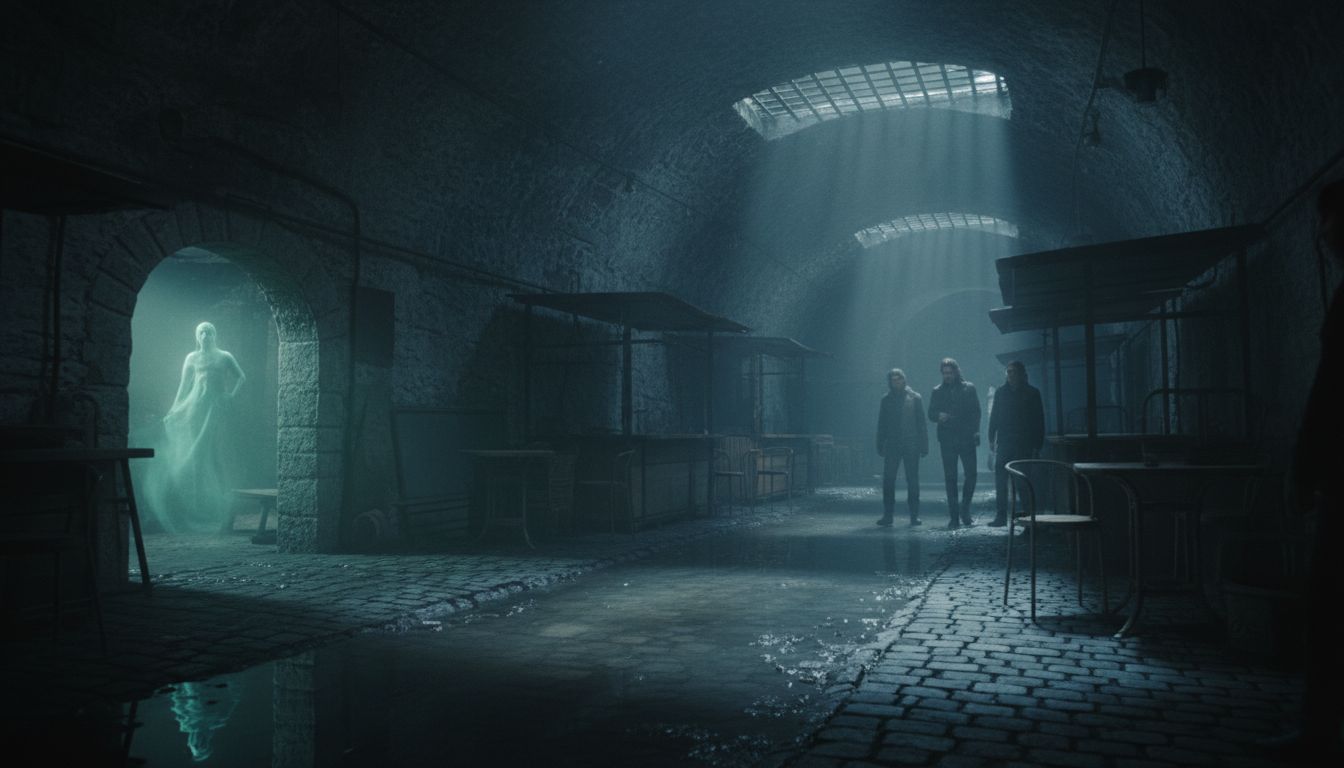
Beneath the UNESCO‑listed Old Town of Bern, a labyrinth of medieval cellars, wine‑storage “carnotzets,” and former fallout shelters coexists with the city’s fashionable cafés and boutique shops. In recent weeks, a handful of tourists and local patrons have reported unsettling experiences—unexplained footsteps, fleeting shadows, and cold spots—while visiting the subterranean venues that line Kramgasse and Gerechtigkeitsgasse. The accounts echo a long‑standing tradition of ghost stories collected by Swiss author Hedwig Correvon in her 1919 anthology Gespenstergeschichten aus Bern, suggesting that the city’s underground folklore is resurfacing alongside its modern revival.
Historical Context
Bern’s underground network dates back to the Middle Ages, when stone cellars were dug to store wine, food, and valuables. Many of these spaces later received a second life during the Cold War, when Swiss civil defence policy mandated the conversion of existing tunnels into fallout shelters capable of protecting civilians from nuclear fallout. While some structures, such as the massive Sonnenberg bunker in nearby Lucerne, were publicly documented, Bern’s smaller chambers remain largely undocumented, often sealed or hidden behind unassuming doors flush with the cobblestones. This blend of medieval architecture and 20th‑century fortification creates a “netherworld of darkness,” as local guidebooks describe it, that is both historically significant and ripe for folklore.
Recent Visitor Reports
Over the past month, at least three independent visitors have described similar phenomena while dining or shopping underground. Maria Lenz, a German traveler who spent an evening at a bar housed in a former carnotzet on Gerechtigkeitsgasse, told the Bern Gazette: “I heard a faint, rhythmic tapping from the wall behind me, but when I turned, there was nothing—just a cold draft that seemed to come from nowhere.” A second account from Bern native Jonas Müller, who works at a boutique café in a repurposed cellar, noted, “The lights flickered just as I was serving a customer, and a distant, muffled voice whispered a name I couldn’t catch.” These anecdotes, while anecdotal, have prompted the city’s cultural heritage office to acknowledge the growing public interest in the underground spaces.
Notable Legends
One of the most frequently cited tales involves a disused gallery that allegedly served as a “burial corridor” for bodies hidden by residents to conceal murders or scandals. According to Correvon’s 1919 collection, tenants of the unnamed house reported “phantom footsteps above and below” and children claimed to see “pale faces at the windows.” Although the exact location remains unidentified, the story has been linked to the Kornhauskeller, a historic cellar now operating as a restaurant. While the Kornhauskeller management emphasizes its culinary heritage, the venue’s website acknowledges the folklore, noting that “the walls have witnessed centuries of Bernese life, both ordinary and extraordinary.”
Context and Outlook
Authorities caution that while the underground passages are structurally sound, many are privately owned and not officially open to the public. The Bern Tourism Board has announced plans to develop guided tours that combine historical insight with a respectful presentation of the city’s ghost lore, aiming to balance heritage preservation with the growing curiosity of paranormal enthusiasts. As the line between cultural history and supernatural speculation continues to blur, Bern’s hidden tunnels remain a compelling reminder that the city’s past is literally layered beneath its present. Whether the reported encounters are the result of acoustic anomalies, psychological suggestion, or genuine phenomena, they underscore the enduring allure of Bern’s underground world.