Overview
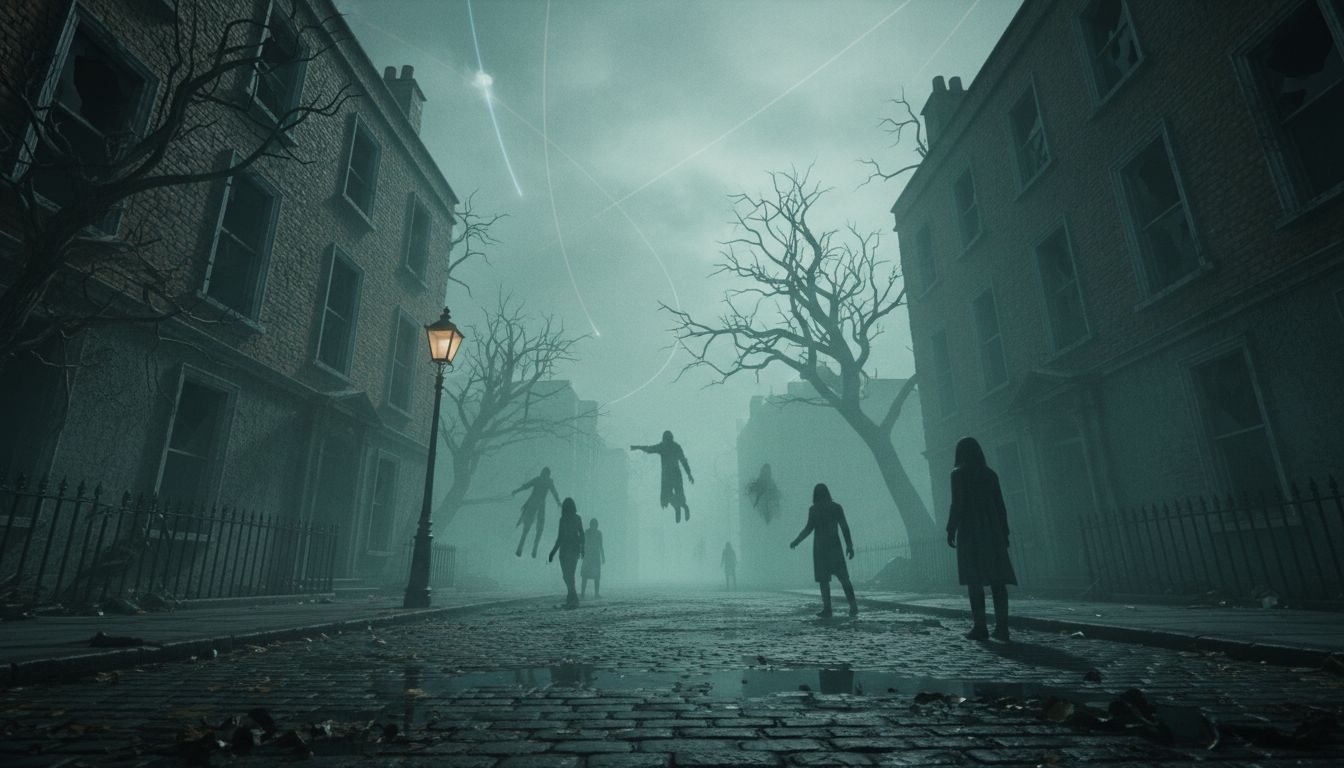
Hendrick Street, a narrow lane that once cut through Dublin’s historic Smithfield district, has long been the subject of local folklore. According to long‑time residents and a handful of written accounts, the former site of numbers 7 and 8 was reputed to be “the most cursed corner” in the city, allegedly home to six distinct spirits. Although the two 18th‑century houses were demolished in the 1960s, the stories persist, prompting interest from heritage groups and paranormal investigators alike.
Historical Background
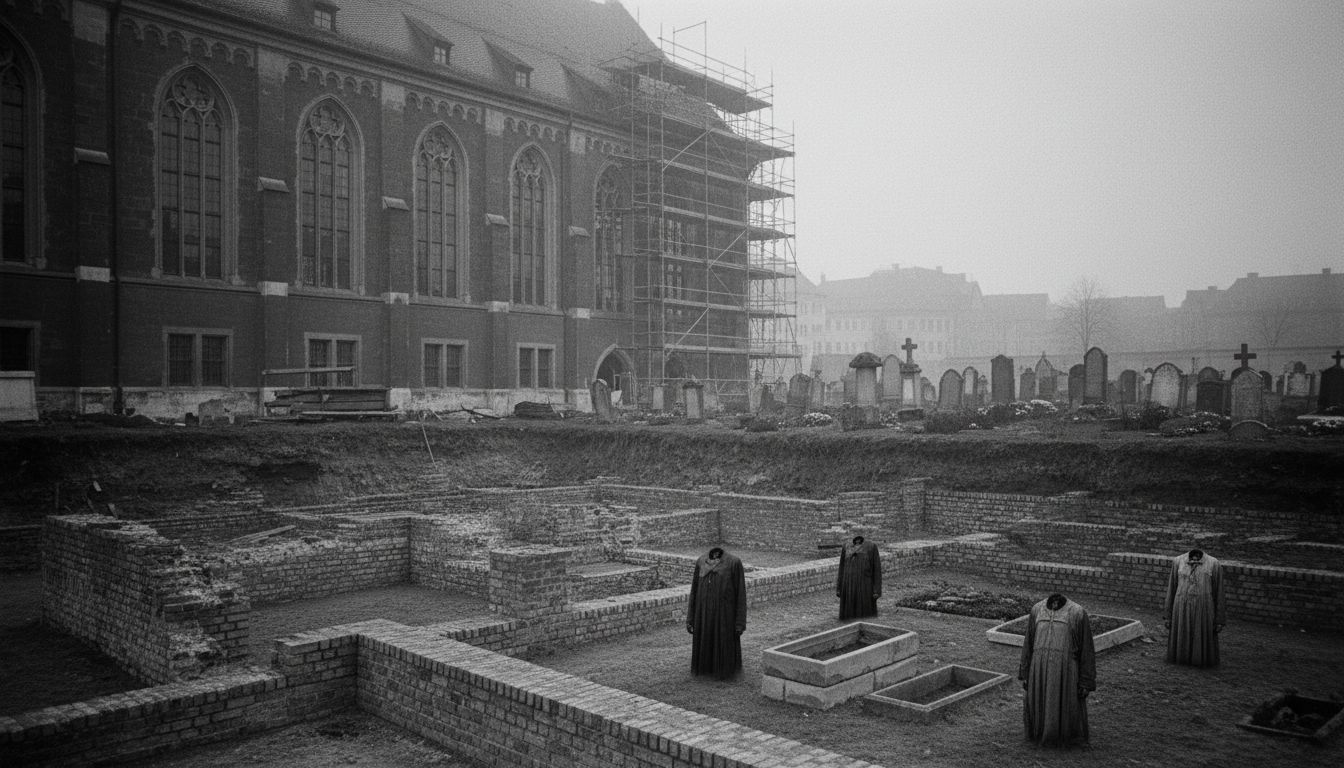
The lane emerged in the early 1700s as part of a network of tenements built to house workers serving the nearby corn and cattle markets. City records show that the “Dutch Billys” houses at 7‑8 Hendrick Street were constructed in the 1730s and survived well into the 20th century, despite the area’s reputation for overcrowding, disease, and poverty. By the 1920s, newspaper reports described a “steady turnover of tenants” and frequent complaints of “unusual noises” emanating from the two adjoining dwellings. Urban renewal plans led to the demolition of the structures in 1964, and the plot was later incorporated into a public housing development. The street name has largely disappeared from modern maps, but its legacy endures in oral history.
Reported Phenomena
Accounts collected by local historian Maeve O’Sullivan indicate that former occupants of numbers 7 and 8 described a range of experiences:
- Knocking on walls late at night, often accompanied by a feeling of being watched.
- Furniture moving without apparent cause, particularly in the evenings.
- Cold, fleeting touches on the face or hand, reported by tenants who stayed after dark.
One recurring narrative involves a family that moved into number 7 in the early‑mid 20th century. The patriarch recalled being unable to unlock the front door one night; a sudden rush of cold air and the sound of footsteps racing down the stairs preceded the door swinging open to an empty hallway. In number 8, an elderly couple allegedly continued to argue after death, with the husband’s “restless presence” said to linger by the fireplace, according to a descendant who recounted the tale at a 2025 community gathering.
Expert Commentary
Dr. Liam Gallagher, a social historian at Trinity College Dublin, cautions that “the concentration of tragic events in a single block does not necessarily imply supernatural activity; it reflects the harsh living conditions of Dublin’s working‑class neighborhoods in the 18th and 19th centuries.” He adds that “collective memory can amplify isolated incidents, especially when physical structures are removed, leaving a void that folklore readily fills.”
Paranormal researcher Siobhan Murphy of the Irish Society for Anomalous Phenomena notes that “the Hendrick Street reports are consistent with classic hauntings—repetitive auditory phenomena and temperature drops—but lack systematic documentation. We have not conducted a controlled investigation on the site since the demolition.” Both experts agree that while the stories are culturally significant, they remain anecdotal.
Current Status
Today, the former Hendrick Street site is part of a mixed‑use development that includes affordable housing and a small community garden. A plaque installed in 2024 by the Smithfield Heritage Committee acknowledges the lane’s “historical importance and folklore,” inviting residents to “reflect on the lives once lived there.” Local residents such as 68‑year‑old Michael Byrne, who grew up nearby, say the tales are “part of our neighborhood’s identity, even if you don’t believe in ghosts.”
As Dublin continues to balance preservation with modernization, Hendrick Street serves as a reminder of how urban change can transform both the physical landscape and the stories that linger long after the walls have fallen.