Overview
The stone remnants of Nes Church, perched where the Vorma and Glomma rivers converge in southeastern Norway, have long been a magnet for both heritage tourists and paranormal investigators. By day the site is described by the Norwegian Directorate for Cultural Heritage as “a tranquil historic landscape of moss‑covered walls and open‑air graves,” but after sunset a growing number of visitors report unexplained phenomena that have fueled local legends of a lingering presence. The latest wave of interest follows a series of informal investigations conducted over the past year, prompting scholars and skeptics alike to examine the blend of documented history and folklore surrounding the ruins.
Historical Context
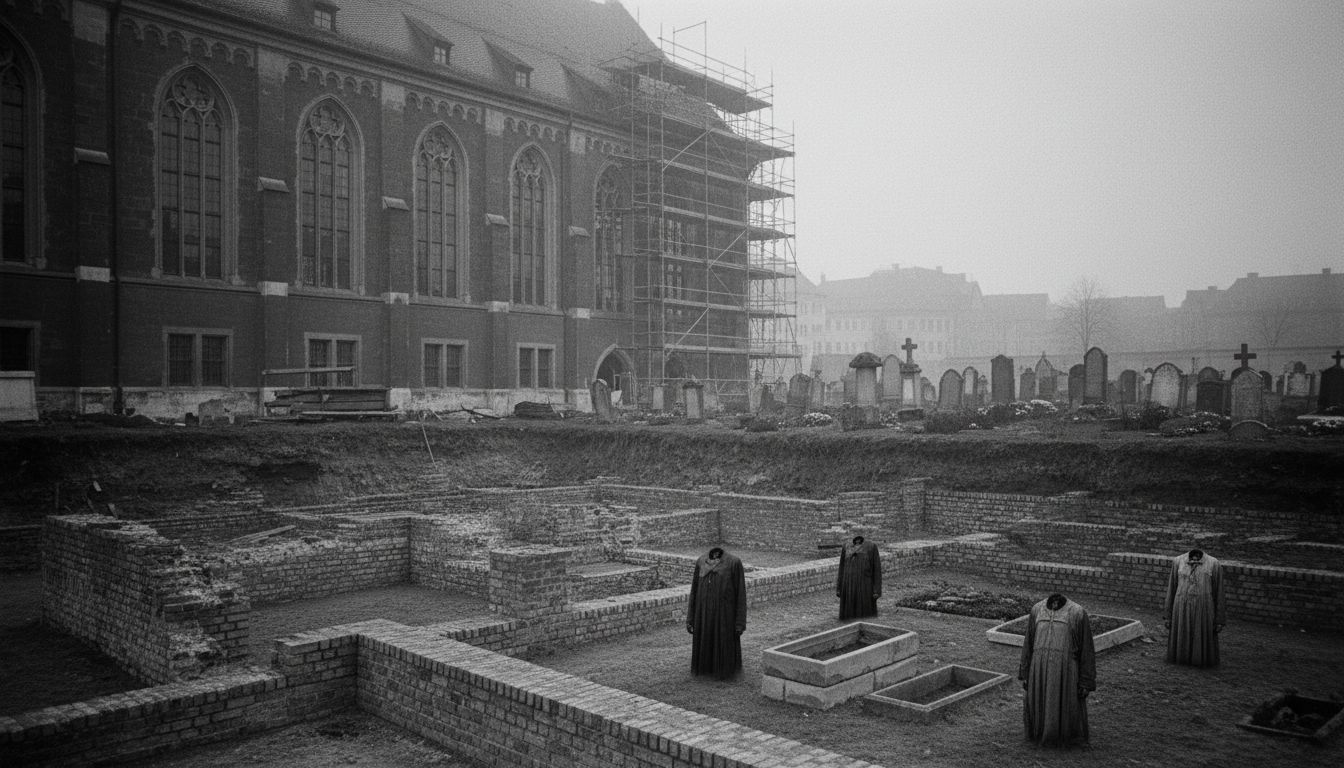
Archaeological surveys date the earliest construction of the Nes site to the eleventh century, making it one of the oldest ecclesiastical foundations in the Østfold region. Evidence suggests the location originally served a pagan cultic function before being Christianised in the early medieval period. The church endured multiple cycles of expansion, destruction, and rebuilding; it was set ablaze during the Nordic Seven Years’ War in 1567 and later destroyed by lightning in 1854. Following the latter fire, authorities declined to reconstruct the building due to concerns about mudslides on the riverbank. Today, the open‑air ruins host occasional weddings, concerts, and community gatherings, with the surrounding graves forming a solemn park‑like setting.
Reports of Anomalous Activity
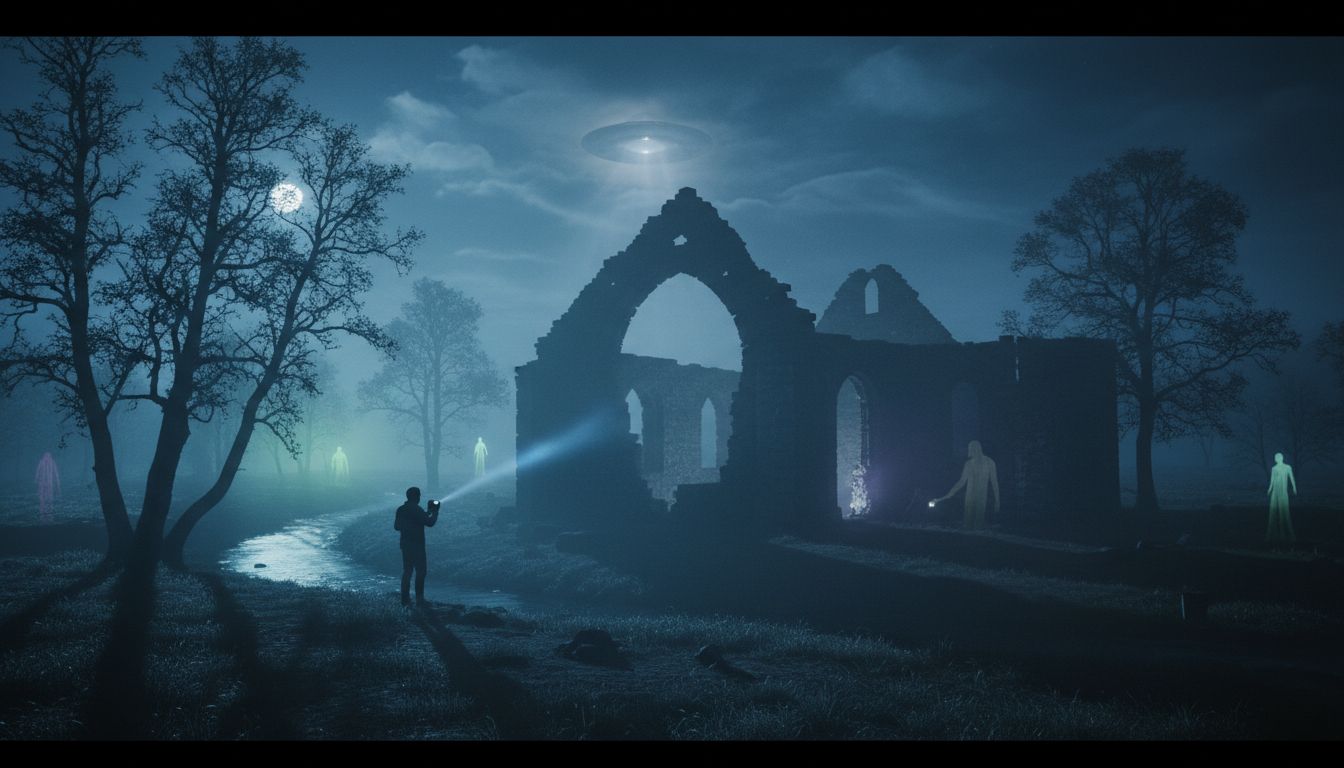
Since 2024, several independent groups equipped with flashlights, audio recorders, and infrared cameras have documented electronic malfunctions on the grounds. One investigation team led by Oslo‑based paranormal researcher Lena Østby noted that “our smartphones powered down within seconds of stepping onto the central nave, and the video feeds repeatedly flickered to static.” Similar accounts have emerged from local hikers who claim that “the wind seemed to carry faint whispers, and a cold draft passed through the archways despite calm weather.” While the Norwegian Institute of Technology has not yet conducted a formal electromagnetic survey, the consistency of these anecdotal reports has drawn modest media attention and sparked debate among skeptics who attribute the effects to natural humidity and magnetic mineral deposits in the stone.
The Jacob Christian Finckenhagen Legend
Among the many narratives attached to the site, the story of Priest Jacob Christian Finckenhagen stands out. Buried in a solitary grave adjacent to the ruins, Finckenhagen served the parish from 1800 until his death in 1837. Local folklore, recorded in the 19th‑century oral histories compiled by historian Knut Sørensen, describes him as a “deeply troubled clergyman” who allegedly took his own life inside the church—a claim that remains unverified by parish registers. Contemporary residents sometimes speak of “the priest’s sigh” heard near his grave on windy evenings. Historian Sørensen cautions that “the Finckenhagen story likely grew from a combination of tragic personal history and the human tendency to personify haunting in abandoned sacred spaces.”
Community and Scholarly Response
The municipality of Nes has responded by installing discreet signage that warns visitors of “potential safety hazards” while acknowledging the site’s “cultural significance and local legends.” Cultural heritage officials emphasize that preservation, not sensationalism, remains the priority: “We encourage respectful engagement with the ruins, whether for academic study or personal curiosity,” said Maria Lunde, head of the local heritage office. Meanwhile, a multidisciplinary research team from the University of Oslo has proposed a pilot study to measure ambient electromagnetic fields and acoustic anomalies during both daylight and nighttime hours, aiming to separate environmental factors from anecdotal claims.
Outlook
As interest in the Nes Church ruins continues to rise, the site sits at the crossroads of historical preservation and modern folklore. Whether future scientific investigations will validate the reported electronic disturbances or attribute them to natural causes, the narrative of a haunted medieval sanctuary remains a compelling element of Norway’s cultural tapestry. For now, the stones stand silent, inviting both scholars and curious visitors to contemplate centuries of human devotion—and perhaps, the stories we tell about what lingers after the lights go out.