Overview
The Antoniterkirche, a once‑vibrant Gothic church tucked behind Postgasse 62 in Bern’s Old Town, has become the focus of renewed public interest. While the building now serves as a municipal storage facility, local historians and paranormal researchers note that the site’s past is marked by a violent religious shift in 1528 and lingering folklore that the expelled Antonite monks may still “haunt” its ruined nave. The story illustrates how the Swiss Reformation reshaped urban religious life and left a cultural imprint that persists in collective memory.
Historical Background
The Antonite order—formally the Hospitaller Order of St. Anthony—established a presence in Bern before 1283. Known for treating “holy fire” (ergotism) and other ailments, the monks wore black habits crossed with a blue Tau emblem and amassed a collection of bone relics and charitable donations. By the mid‑15th century they had rebuilt their chapel into a grand Gothic church (1444, with further expansion in the 1490s) that hosted the Shoemakers’ Guild and the Society of Rebleuten. Six brothers and a cadre of lay nurses staffed the adjoining hospital, making the Antoniterkirche a central hub for both worship and healthcare.
Reformation and Expulsion
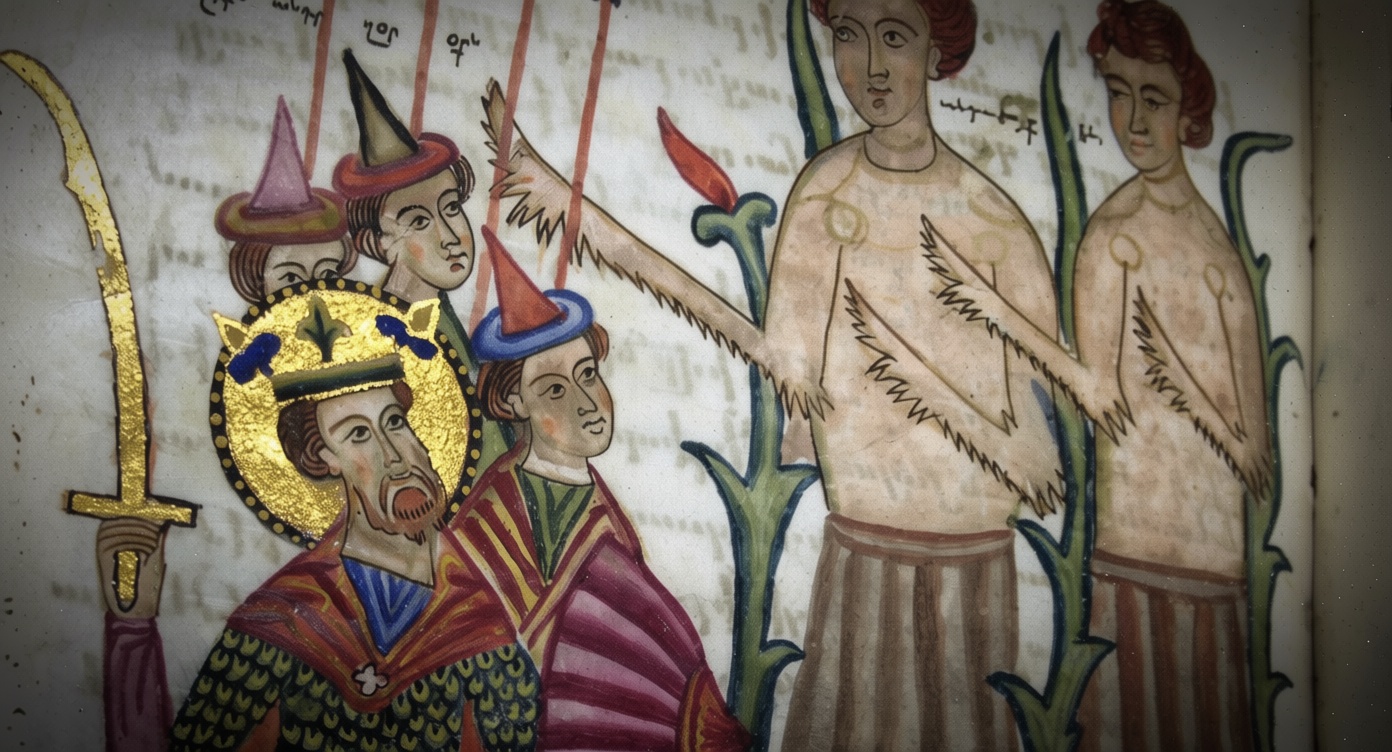
The Bern Disputation of 6–26 January 1528—an eight‑day theological debate—culminated in the canton’s official adoption of Protestantism, making Bern the second Swiss canton to break with Rome. City council records from the period document the forced removal of the Antonite community: “All members of the Order of St. Anthony are to vacate the premises within three days; their relics shall be seized for the benefit of the new parish,” reads a decree dated 15 January 1528. The monks were expelled, their church stripped of altars and icons, and the building was later repurposed as a fire‑fighting equipment house in 1870, as shown in Michael Neher’s 19th‑century painting.
The Building Today
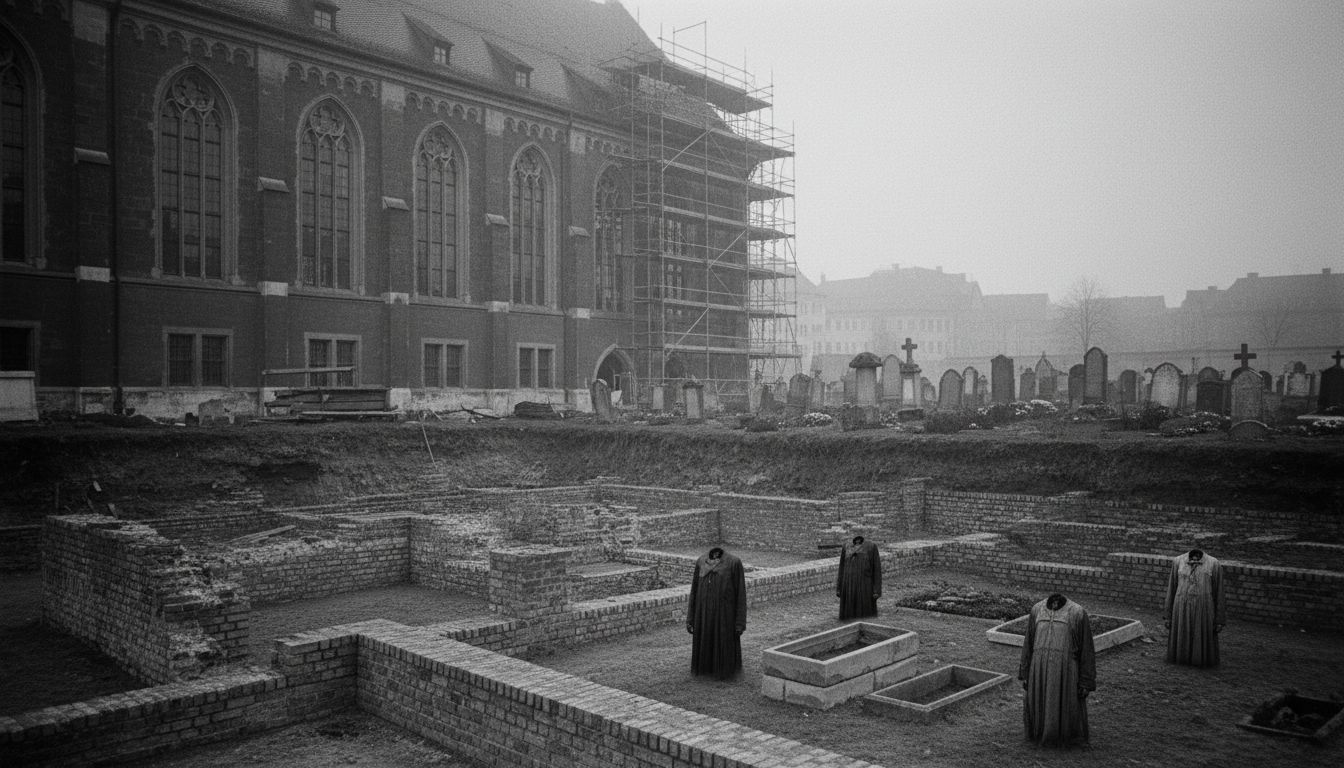
Today the Antoniterkirche stands as a shell of its former sacred ground, its vaulted interior largely empty except for remnants of stonework and a few weathered fresco fragments. The city’s heritage office lists the structure on Bern’s protected monuments register, noting its architectural significance but also its “deteriorated condition.” Municipal spokesperson Karin Müller told Moon Mausoleum: “We recognize the site’s historical value and are exploring restoration options that respect both its medieval origins and its later civic uses.” The building is not open to the public on a regular basis, but guided tours are occasionally offered during heritage festivals.
Folklore and Investigation
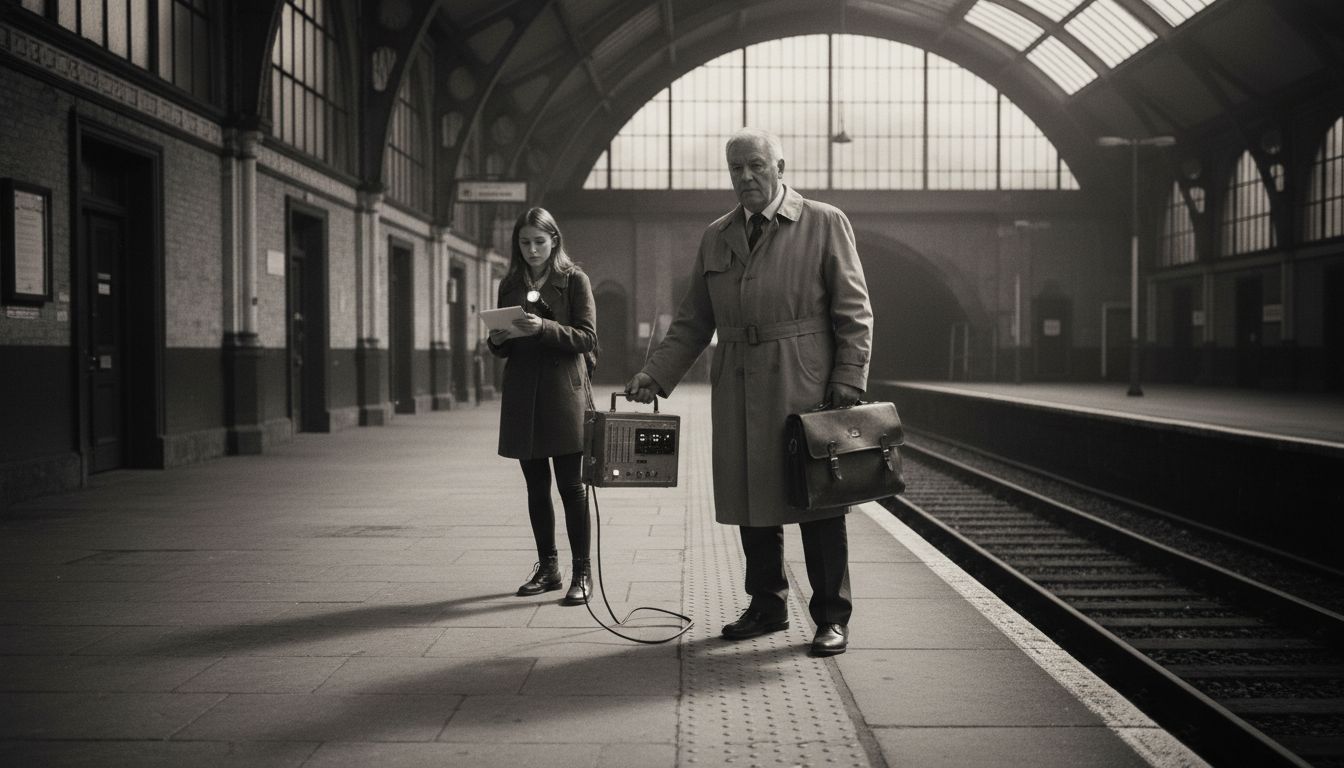
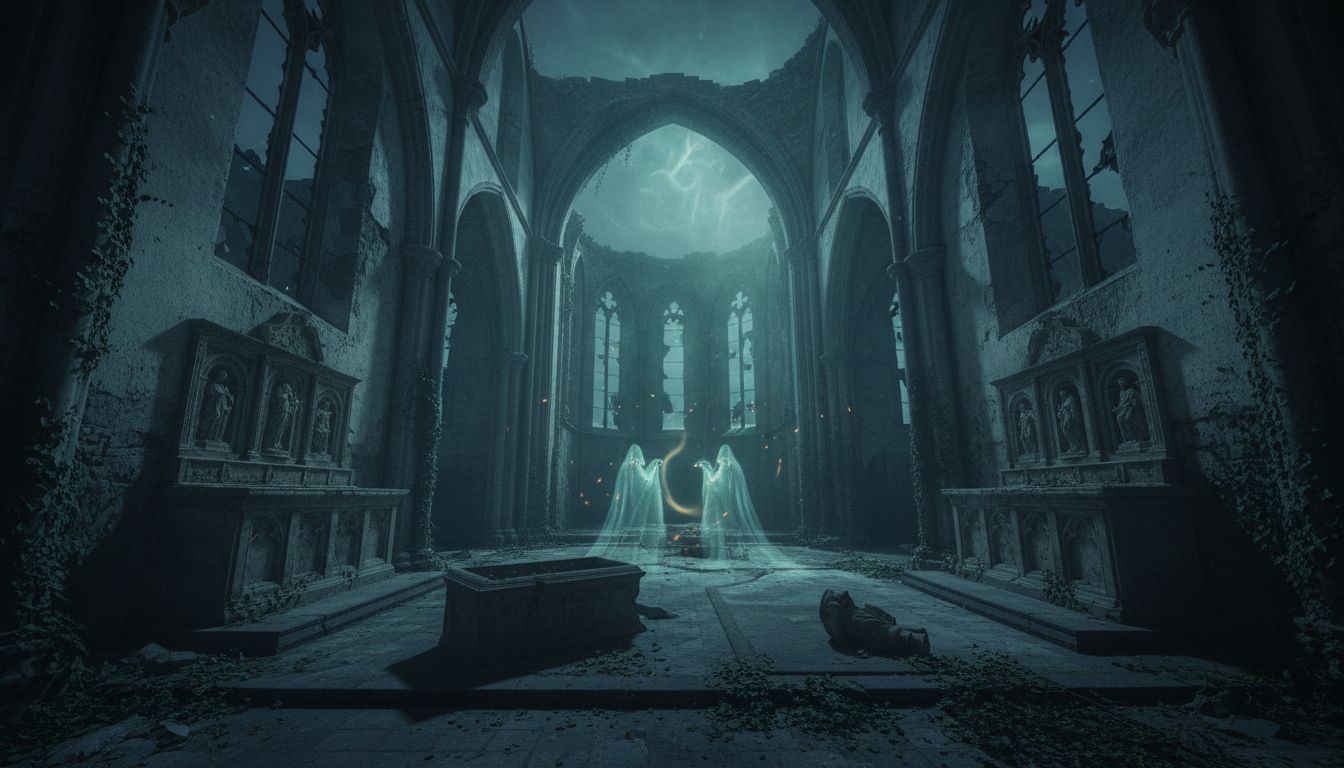
Despite the secular repurposing, local folklore persists that the monks never truly left. Residents report hearing “soft footsteps” and “faint chanting” after dusk, especially near the former choir loft. Paranormal investigator Dr. Lukas Weber, who conducted a night‑time audio survey in October 2025, reported “intermittent low‑frequency tones that correspond with the architectural resonances of the vaulted ceiling.” While Weber cautions that “environmental factors such as wind and structural settling can produce similar sounds,” he adds that “the consistency of the reports over centuries suggests a strong cultural narrative that the monks’ spirits remain.”
The blend of documented history and enduring legend makes the Antoniterkirche a unique case study in how religious upheaval, architectural change, and collective memory intersect. As Bern continues to evaluate the site’s future, the question remains whether preservation will focus solely on stone and mortar, or also on the intangible stories that keep the monks’ presence alive in the city’s imagination.