Overview
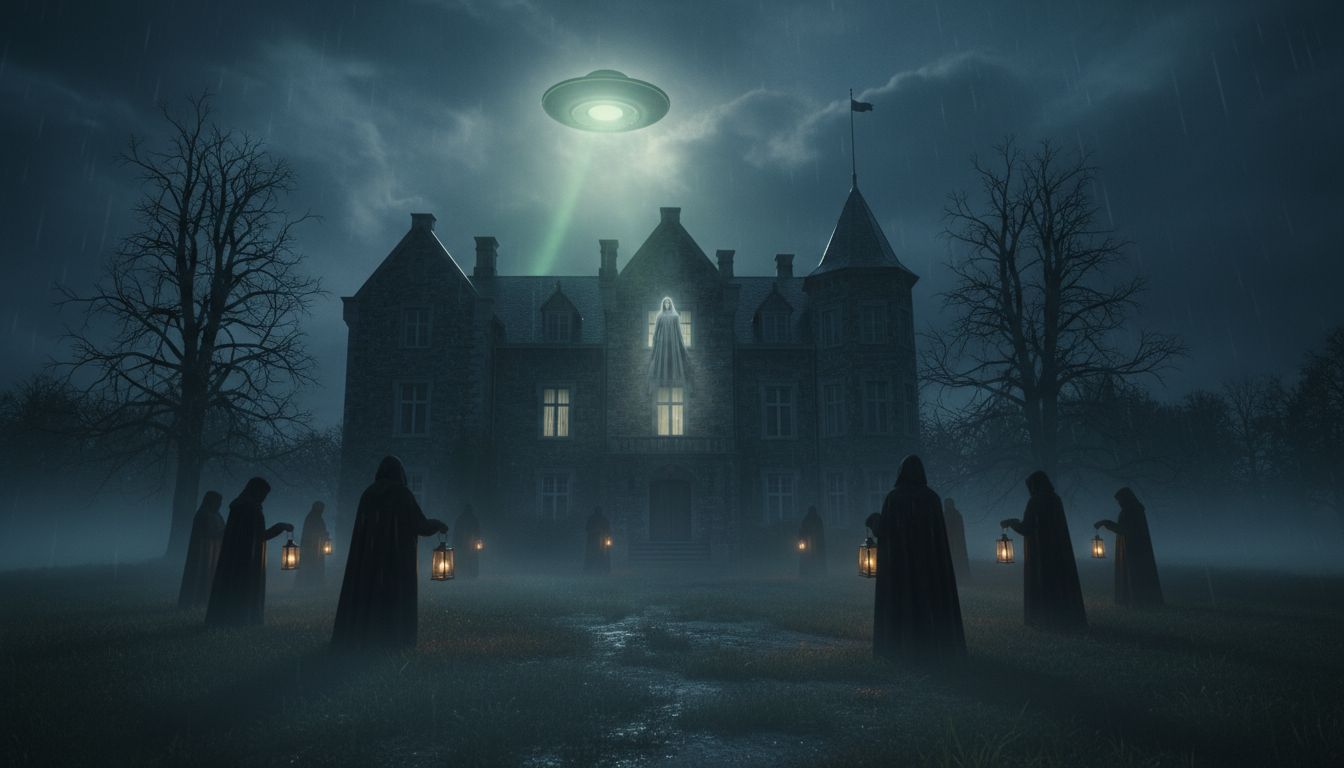
Søndre Brekke Manor, a 15th‑century estate in Skien, Telemark, has long attracted attention not only for its architectural heritage but also for reports of a lingering apparition known locally as the Gray Lady. According to the museum that now occupies the manor, staff and visitors have recounted unexplained noises, cold drafts, and fleeting glimpses of a sorrowful woman for more than two centuries. The legend gained renewed interest after a formal exorcism in the early 2000s reportedly failed to dispel the presence, reinforcing the story’s persistence in regional folklore.
Historical Background
The manor entered the historical record in the early 1400s as a residence for Norway’s affluent merchant class. In 1810, Niels Aall, then minister of commerce, purchased the property and is credited with furnishing it to reflect the style of his era. The estate’s public function shifted in 1909 when it was converted into a museum, preserving the period interiors while continuing to serve as a cultural landmark. Despite its transformation, locals maintain that one resident—the Gray Lady—never truly left the house.
The 1813 Death
The core of the haunting narrative centers on a young woman who died suddenly in the grand hall in 1813. Contemporary records provide no name, origin, or cause of death, only that her body was never removed from the manor. The incident coincided with a visit from Prince Christian Frederik—later king of Denmark‑Norway—who attended a feast on 21 August 1813. Historian Henrik Wergeland, writing in Konstitutionshistorie (1841), suggested the woman may have been ill and overlooked because the celebration eclipsed her condition. An alternative account by Øverland (1895) identifies the deceased as Benedicta Henrikka Løvenskiold, Niels Aall’s aunt, who supposedly died three days before the party at a nearby estate. Neither source confirms the identity, leaving the woman’s story shrouded in ambiguity.
Modern Reports and the Failed Exorcism
Since the late 19th century, the manor’s caretakers have documented recurring phenomena: soft footsteps on polished wood, muffled sobbing heard from empty rooms, and occasional sightings of a woman dressed in muted gray drifting along corridors. In 2003, a local clergy group performed a sanctioned exorcism, invoking traditional rites and sprinkling holy water throughout the building. According to the museum’s director, the ceremony concluded without any observable change, and the reported incidents continued unabated. “We approached the event with respect for both the cultural heritage and the community’s belief,” the director said, “but the evidence suggests the legend endures regardless of ritual.”
Cultural Impact
The Gray Lady has become a fixture of Norwegian paranormal tourism, drawing curious visitors to Søndre Brekke Manor alongside its historical exhibitions. Scholars of folklore note that the tale reflects broader themes in Scandinavian ghost lore—unresolved death, the intersection of political events, and the lingering presence of women whose stories were historically undocumented. While skeptics attribute the experiences to acoustic anomalies and the manor’s drafty architecture, the persistence of eyewitness accounts and the manor’s official acknowledgment of the legend lend it a degree of credibility uncommon among regional hauntings. As the manor prepares for its centennial museum celebration next year, the Gray Lady remains an enigmatic reminder that history and myth often walk hand in hand.