Overview
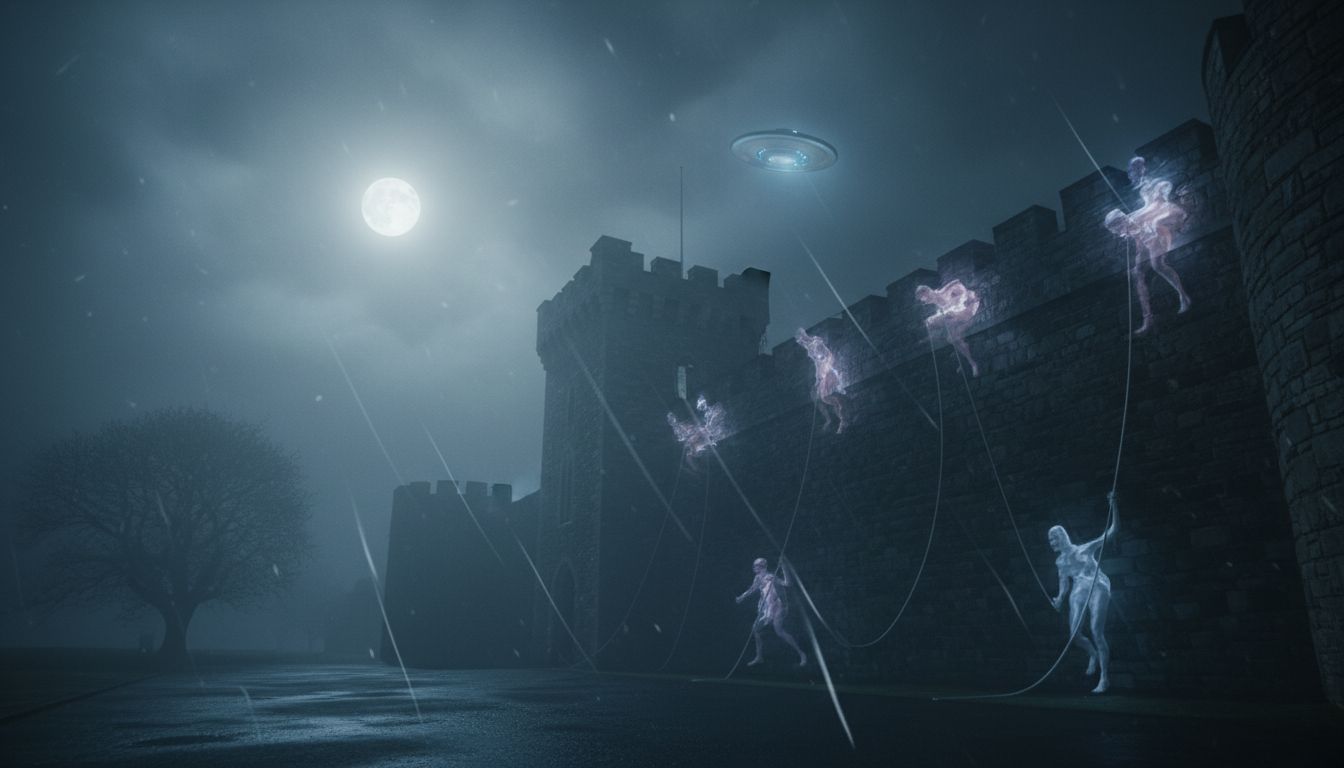
Dublin Castle, a former seat of British administration and a site that once hosted a Viking stronghold, has long been the subject of folklore that describes headless spirits of prisoners roaming its stone corridors. The legend, revived in a recent feature on the Moon Mausoleum website (published 15 April 2026), recounts that the disembodied inmates were executed after a failed attempt to seize the fortress and were interred within the castle grounds. While the tale adds a dramatic layer to the building’s already turbulent past, investigators and historians stress the importance of separating documented history from anecdotal hauntings.
Historical Context
Constructed on the remnants of a 9th‑century Viking fort, Dublin Castle became the administrative heart of English rule in Ireland for more than seven centuries. Its walls witnessed sieges, rebellions, imprisonments, and public executions, especially during the 17th‑ and 18th‑century uprisings. The Upper Yard, where the original medieval castle once stood before a fire in the 1600s, remains a focal point for both scholars and tourists. “The castle’s layered history provides fertile ground for mythmaking,” says Dr. Siobhan O’Leary, a historian at Trinity College Dublin, “but the archival record does not list a specific massacre of headless prisoners.”
The Headless Haunting Legend
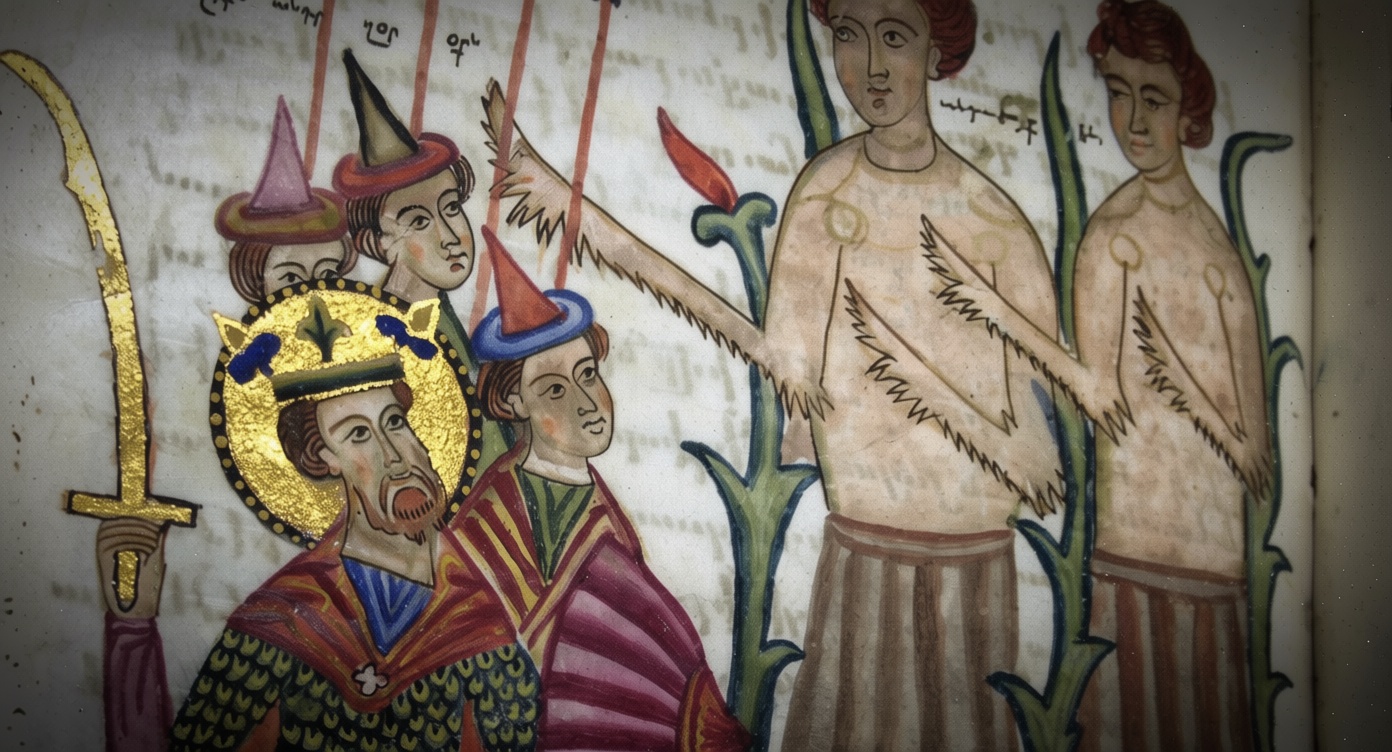
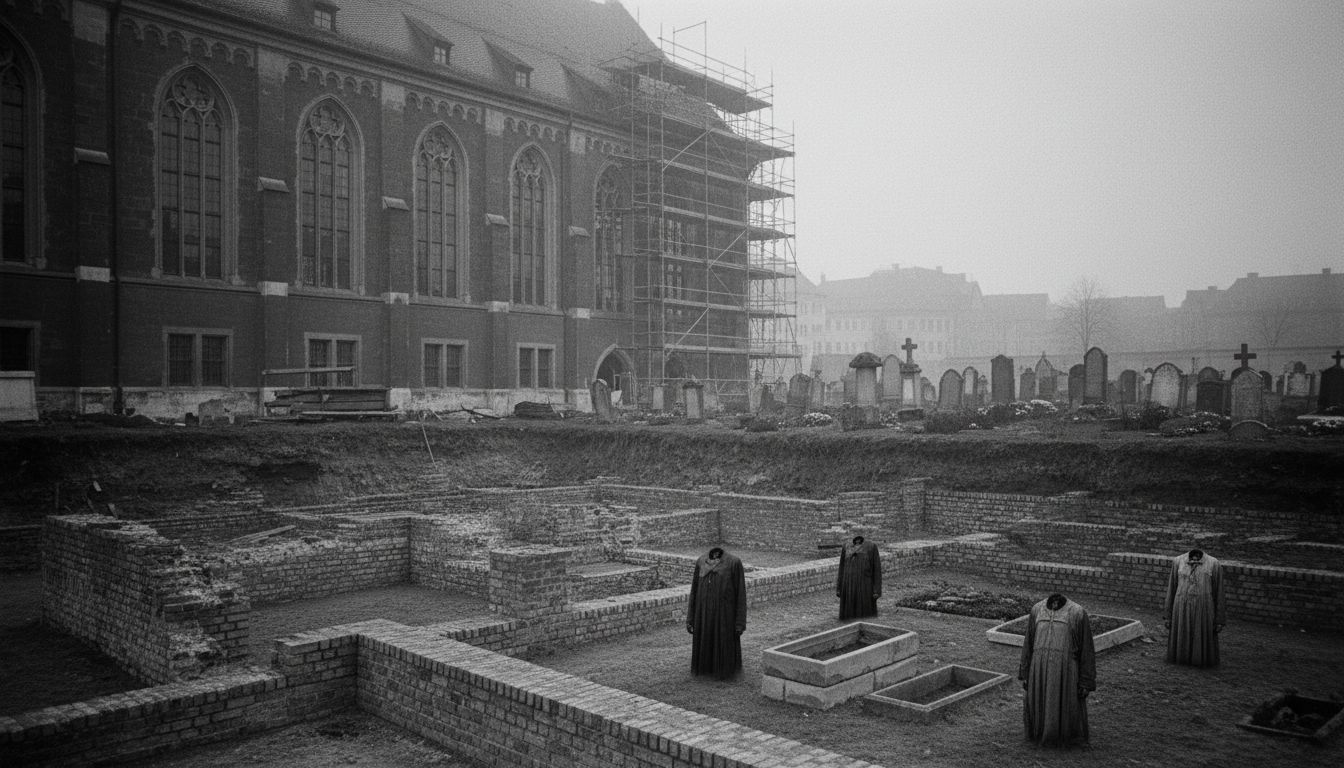
According to the Moon Mausoleum article, the story claims that a group of prisoners who attempted to storm the fortress were “executed swiftly and without mercy,” their bodies buried on the premises. Their alleged spirits are described as “headless dead… wandering the grounds in silence.” The narrative does not identify a particular siege, leaving the episode ambiguous amid the many assaults Dublin Castle endured—from the 1649 Confederate Wars to the 1916 Easter Rising. The lack of concrete dates or names has led some paranormal researchers to label the tale a modern folklore rather than a verifiable event.
Witness Accounts and Contemporary Reports
Visitors to the Upper Yard have reported a “uneasy feeling of being watched” and fleeting shadows that dissolve into the stonework. One tour guide, Maeve Gallagher, recounted a recent incident: “A group of tourists swore they saw a dark silhouette pass through the archway near the old motte‑and‑bailey foundation, then vanish without a sound.” The article also references a 1950s anecdote recorded by the paranormal site Spiritedisle, in which a Garda sergeant experienced an unexplained extinguishing of lights and phantom sounds of coal being shoveled. Michael Byrne, a member of the Irish Paranormal Society, cautions that “such experiences are often influenced by suggestion and the atmospheric conditions of historic stone buildings.”
Scholarly Perspective and Ongoing Inquiry
Academic consensus remains skeptical of the headless ghost claim. Dr. O’Leary notes, “There is no contemporaneous documentation of a mass execution of headless prisoners at Dublin Castle, which would have been a significant event in the colonial records.” Nonetheless, the castle’s role as a former prison and execution site—most famously the 1798 rebellion trials—does fuel public fascination. The Office of Public Works, which manages the property, has not officially endorsed any supernatural explanation, but it does allow guided “ghost tours” that blend documented history with local legend, acknowledging the cultural value of such stories.
Conclusion
The tale of headless prisoners haunting Dublin Castle illustrates how historical trauma and architectural grandeur can intertwine to produce enduring legends. While the legend lacks corroborating evidence, it continues to attract curiosity seekers and contributes to the castle’s mystique. As Dr. O’Leary succinctly puts it, “Whether or not the spirits are real, the stories themselves are part of Ireland’s living heritage, reminding us that the past still whispers through stone corridors.”