Overview
In recent weeks, a wave of newly released documents and testimonies has placed congressional scrutiny of unidentified aerial phenomena (UAP) back in the national spotlight. The so‑called “Hill‑UFO Evidence Files,” compiled from Freedom of Information Act (FOIA) requests, whistleblower disclosures, and declassified Pentagon reports, reveal a growing consensus among senior officials that a subset of UAP sightings cannot be readily explained by known technology or natural phenomena. While the material stops short of confirming extraterrestrial origins, it underscores persistent gaps in data collection, analysis, and inter‑agency coordination that lawmakers are now demanding to close.
Congressional Action
On December 12, the House Committee on Oversight and Reform convened a closed‑door hearing titled “Unexplained Aerial Phenomena: Transparency and National Security.” Committee Chairman Rep. James Comer (R‑KY) opened the session by noting that “the American public deserves a clear, factual account of what our own sensors are detecting in our skies.” The hearing featured senior officials from the Office of the Director of National Intelligence (ODNI) and the Department of Defense (DoD), who pledged to release a supplemental report to the 2021 Office of the Director of National Intelligence UAP Assessment within 90 days.
In parallel, the Senate Armed Services Committee scheduled a public briefing for early January, inviting former Pentagon UAP program director Luis Elizondo and whistleblower David Grusch to testify. The Senate’s bipartisan resolution, now awaiting a vote, would mandate an annual congressional report on UAP investigations and allocate additional funding for sensor upgrades at military installations.
Whistleblower Testimonies
The most striking revelations continue to come from insiders who have risked their careers to bring classified information to light. Former intelligence officer David Grusch, who filed a formal complaint with the Office of the Inspector General in June, alleged that the DoD possesses “multiple instances of advanced craft that exhibit flight characteristics beyond any known aerospace capability.” Grusch’s affidavit, obtained by multiple news outlets, cites internal memos describing objects capable of instantaneous acceleration, hypersonic speeds without detectable propulsion, and the ability to operate in environments that would normally cause conventional aircraft to disintegrate.
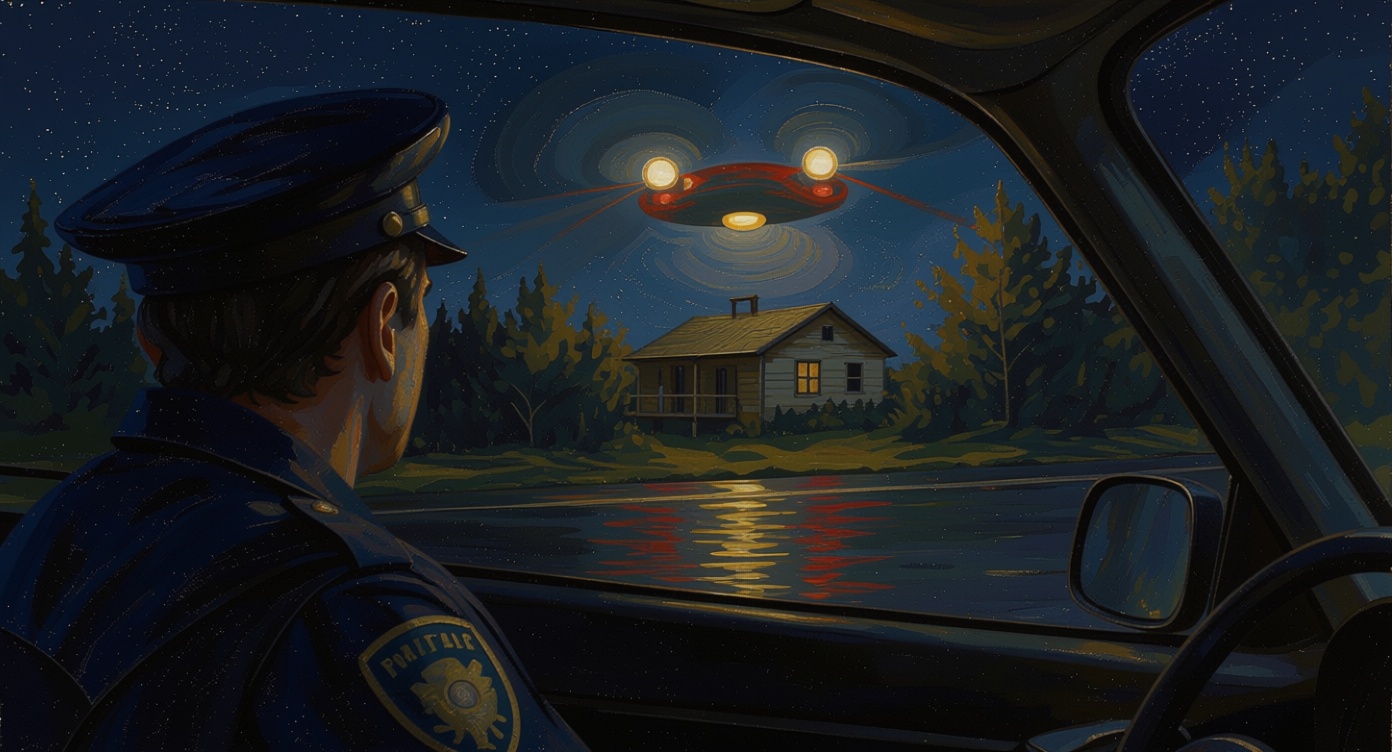
Supporting Grusch’s claims, former Air Force pilot Ryan Graves testified that he observed a “circular object with no visible seams or exhaust, hovering silently over a training range.” Graves emphasized that standard radar and infrared signatures were absent, prompting a request for a “deep‑dive technical analysis” that remains pending. Both whistleblowers have called for legal protections to encourage further disclosures, warning that “the longer we wait, the more we risk missing critical data that could impact national security.”
Ongoing Investigations
The DoD’s Unidentified Aerial Phenomena Task Force, now rebranded as the All‑Domain Anomaly Resolution Office (AARO), has reportedly ingested over 14,000 reports since its inception in 2020. According to a recent internal briefing, roughly 15 % of these cases remain “unexplained after rigorous analysis,” a figure that, while modest, is significant enough to warrant continued scientific inquiry. AARO’s director, Sean Kirkpatrick, told the House hearing that the office is collaborating with the National Aeronautics and Space Administration (NASA) and the Federal Aviation Administration (FAA) to develop a unified data‑sharing platform.
Meanwhile, NASA’s UAP independent study team, chaired by astrophysicist Dr. James Green, is slated to release a peer‑reviewed paper later this month. The study will focus on sensor fidelity, atmospheric modeling, and the potential for misidentification of conventional technology. By grounding the discussion in empirical methodology, NASA hopes to separate “noise” from genuine anomalies and provide lawmakers with a clear scientific baseline.
Looking Ahead
As the Hill‑UFO Evidence Files continue to surface, the convergence of congressional oversight, whistleblower testimony, and inter‑agency research is reshaping the discourse around UAPs from fringe speculation to a matter of national security and scientific curiosity. Advocates for transparency argue that a systematic, de‑classified repository of sightings would enable independent experts to evaluate the data without political interference. Critics, however, caution against “jumping to conclusions” that could fuel misinformation.
What remains clear is that the next few months will be pivotal. The upcoming Senate briefing, the anticipated NASA report, and the pending House resolution together promise a more structured approach to an issue that has lingered in the shadows for decades. Whether these steps will culminate in definitive answers—or simply a more rigorous accounting of the unknown—will be judged by the transparency and accountability that Congress and the agencies commit to delivering.