Overview
A centuries‑old feud on the remote Hleiðrargarðs farm in northern Iceland has resurfaced in scholarly circles after the recent publication of a detailed account on the Moon Mausoleum blog. The narrative describes how a violent dispute between farmer Sigurður Björnsson and Reverend Benedikt Pálsson allegedly gave rise to the vengeful spirit known as the Hleiðrargarðs‑Skotta, a ghost said to have unleashed a “ghostly plague” that decimated both livestock and villagers in the 1760s. While the tale is rooted in oral tradition, historians and folklorists are examining it for clues about regional conflict, disease outbreaks, and the persistence of Norse supernatural motifs.
Historical Background
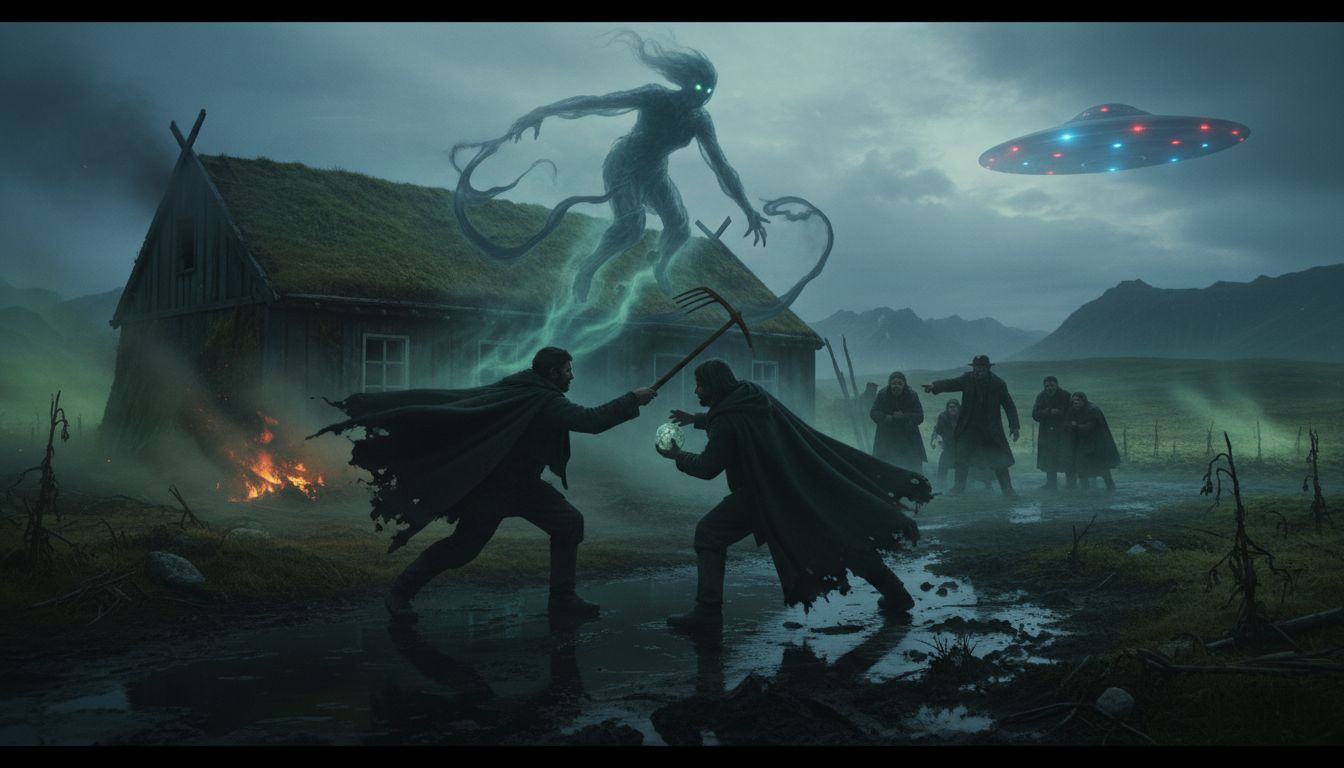
Records from the mid‑18th century confirm that a farmer named Sigurður Björnsson lived near the settlement of Árgerð between 1740 and 1770. Contemporary parish registers note his reputation as a “sensible man,” yet a 1764 entry describes a trade trip west of the glacier that ended abruptly, hinting at a “trouble of the ghostly kind.” The same period saw a documented dispute between Sigurður and Reverend Benedikt Pálsson of Miklagarður, reportedly over a business transaction. According to the blog, the quarrel escalated into a physical altercation in which Sigurður “threw the other under him and gave him some blows,” prompting Benedikt to vow revenge before the year’s end.
The Legend of the Hleiðrargarðs‑Skotta
The story continues that Benedikt sought aid from his brother Gunnar, described as “the most skilled in magic in the country at that time.” Gunnar allegedly summoned a newly deceased woman—identified only as a 25‑year‑old—who claimed she had been “signed with the cross and given the sacrament before she left home.” The apparition instructed Gunnar, “Go to Hleiðrargarður and kill Sigurður Björnsson.” This ghost, later named the Hleiðrargarðs‑Skotta, is said to have haunted the farm, terrorising locals and eventually causing a mysterious plague that killed cattle and people alike. The account links the spirit to the Old Norse fylgjur (or fylgja)—attendant spirits believed to interact physically with the world—a concept documented in Icelandic sources since the 12th century.
Scholarly Perspectives
Folklorists caution against taking the tale at face value. Dr. Ásta Guðmundsdóttir of the University of Iceland notes that “the intertwining of personal vendettas with supernatural retribution is a common narrative device in Icelandic saga literature.” She adds that the “ghostly plague” may reflect a real epidemic, such as the 1765 rinderpest outbreak that devastated Icelandic herds and was contemporaneous with the reported hauntings. Epidemiologist Dr. Einar Ólafsson points out that “livestock die‑offs often triggered folklore about cursed spirits, serving as a communal explanation for otherwise inexplicable loss.” The reference to a fylgja aligns with broader Norse belief systems, where such spirits could be summoned for vengeance, yet modern scholarship treats these as symbolic rather than literal entities.
Cultural Impact
Regardless of its historicity, the Hleiðrargarðs‑Skotta narrative has entered local cultural memory, inspiring annual storytelling evenings in nearby villages and featuring in recent artistic installations that explore the intersection of myth and disease. The Moon Mausoleum article, published on 27 February 2026, has revived interest among both tourists and academics, prompting a modest increase in visits to the Hleiðrargarðs site. As Icelandic heritage officials emphasize, “Preserving these legends helps us understand how past communities coped with conflict and catastrophe, without sensationalising the supernatural.” The story thus serves as a reminder of how folklore can both reflect and shape collective responses to hardship.