Overview
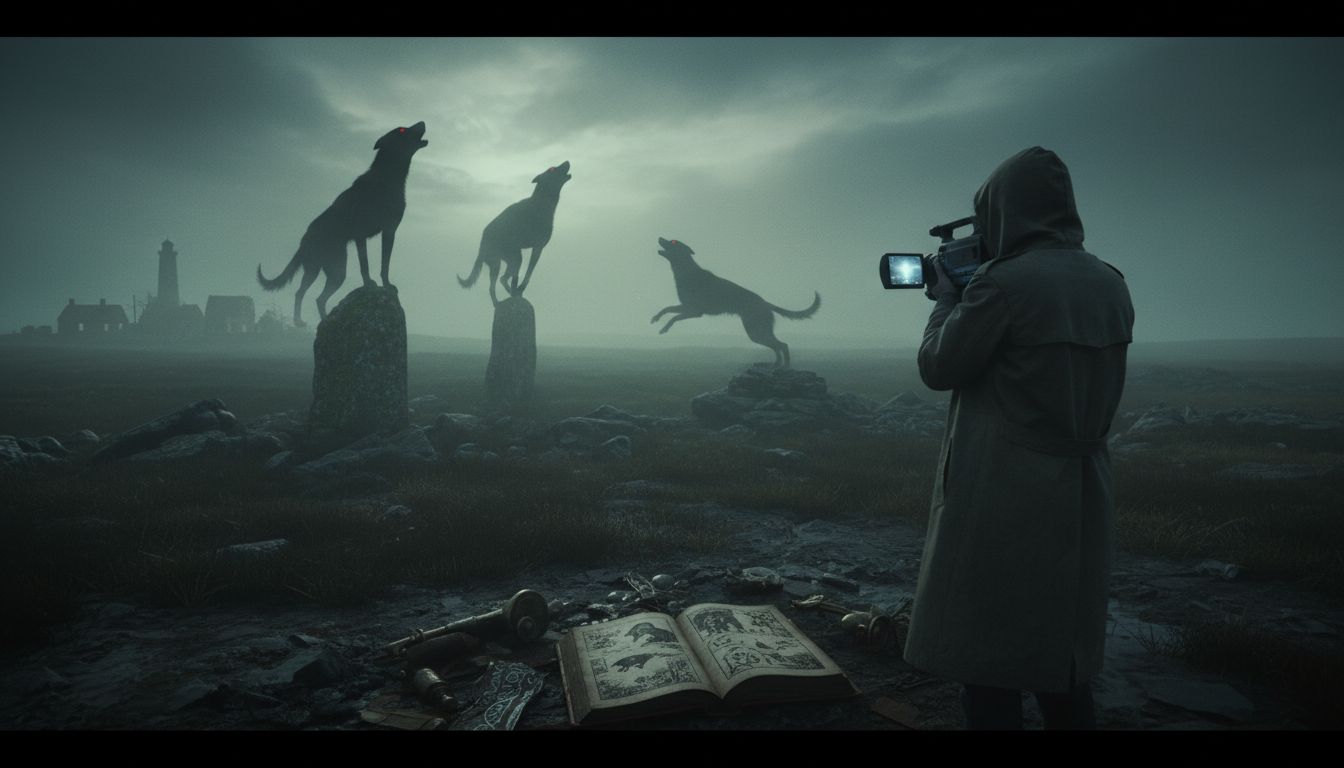
In a recent episode of "Weird Around Illinois," hosts delve into the enduring legends and recent reports of ominous hounds—sometimes called "hellhounds"—appearing as harbingers before disaster. Drawing from a rich tapestry of global folklore and eyewitness testimonies, the video explores how these spectral canines have come to symbolize premonition, death, and the supernatural across a variety of cultures. The discussion offers a unique look at how ancient myths continue to shape contemporary accounts of unexplained phenomena.
Global Mythologies and the Hellhound Archetype
The concept of the hellhound is deeply rooted in mythologies from around the world. The hosts begin by referencing Cerberus from Greek mythology, the infamous three-headed dog that guards the gates of Hades and prevents the dead from leaving. In some versions, Cerberus is said to have as many as 50 heads, though the three-headed depiction remains most prevalent. This archetype is echoed in Norse mythology, where Garm—a blood-stained, single-headed hound—watches over the gates of Hel, the realm of the dead.
Celtic and Welsh folklore further reinforce the motif, with tales of the hounds of Annwn: spectral, white-bodied dogs with red ears, often traveling in packs. These hounds, unlike their more menacing counterparts, were sometimes viewed as escorts for souls or participants in the mystical "wild hunt," suggesting a more ambiguous role between good and evil. As one host noted, "They're not just evil looking things. A little bit more natural."
The Hellhound in Modern Culture
The video highlights how the image of the hellhound has evolved, especially under the influence of Christianity. In this tradition, the hellhound took on a more sinister identity and became closely associated with Satan and damnation, a shift from earlier, more nuanced interpretations. "In Great Britain, they had black dogs like the Black Shuck in East Anglia," one host explained, citing the prevalence of these stories in British folklore. The motif has been further popularized in music and film, with references from bands like Led Zeppelin and various cinematic adaptations.
Hindu and Buddhist traditions also feature underworld dogs. The Hindu lord of death, Yama, is said to be accompanied by two dogs, Shahvara and Shyama, who guard the underworld and are even honored in Nepali festivals. The ubiquity of these canine guardians across cultures raises questions about their origins. "It's interesting how many of these legends associate this dog with guarding the gates of hell or the other world," the hosts observed, prompting speculation about whether these myths arose from shared experiences or collective imagination.
Characteristics and Significance
Descriptions of hellhounds vary, but certain traits recur. Most are depicted as large, black dogs with fiery eyes and sometimes even breath of fire. Witnesses often describe their color not just as black, but as an "absence of light—almost like a void in reality in the shape of a dog." The supernatural abilities attributed to them are extensive: incredible strength and speed, invisibility, shapeshifting, teleportation, and the power to manipulate fire.
Central to their mythology is the belief that sighting a hellhound foreshadows impending disaster or death. This association with bad omens persists in both ancient lore and contemporary reports. The video suggests that the negative connotations attached to these creatures became more pronounced with the spread of Christian beliefs, which cast them as malevolent agents rather than neutral or even protective spirits.
Enduring Mysteries and Modern Interpretations
The persistence of hellhound sightings and legends prompts ongoing debate: are these merely cultural echoes, or do they reflect something unexplainable? The hosts of "Weird Around Illinois" note, "It's one of those things that makes you wonder, what truth did they experience that made them think this?" As stories of spectral hounds continue to surface—often in the moments before disaster—they serve as a reminder of humanity’s deep fascination with the unknown, and the enduring power of myth to shape our interpretation of the inexplicable.