Overview
On May 22, 2011, an EF5 tornado ripped through Joplin, Missouri, leaving a trail of devastation that ranks among the deadliest natural disasters in U.S. history. Official reports recorded 158 direct fatalities, eight additional indirect deaths, and roughly 1,150 injuries. The storm demolished nearly 8,000 structures, including more than 4,000 homes, and displaced tens of thousands of residents. In the immediate aftermath, emergency responders and mental‑health professionals documented a range of survivor experiences, some of which have taken on a mythic quality in local folklore.
Witness Accounts
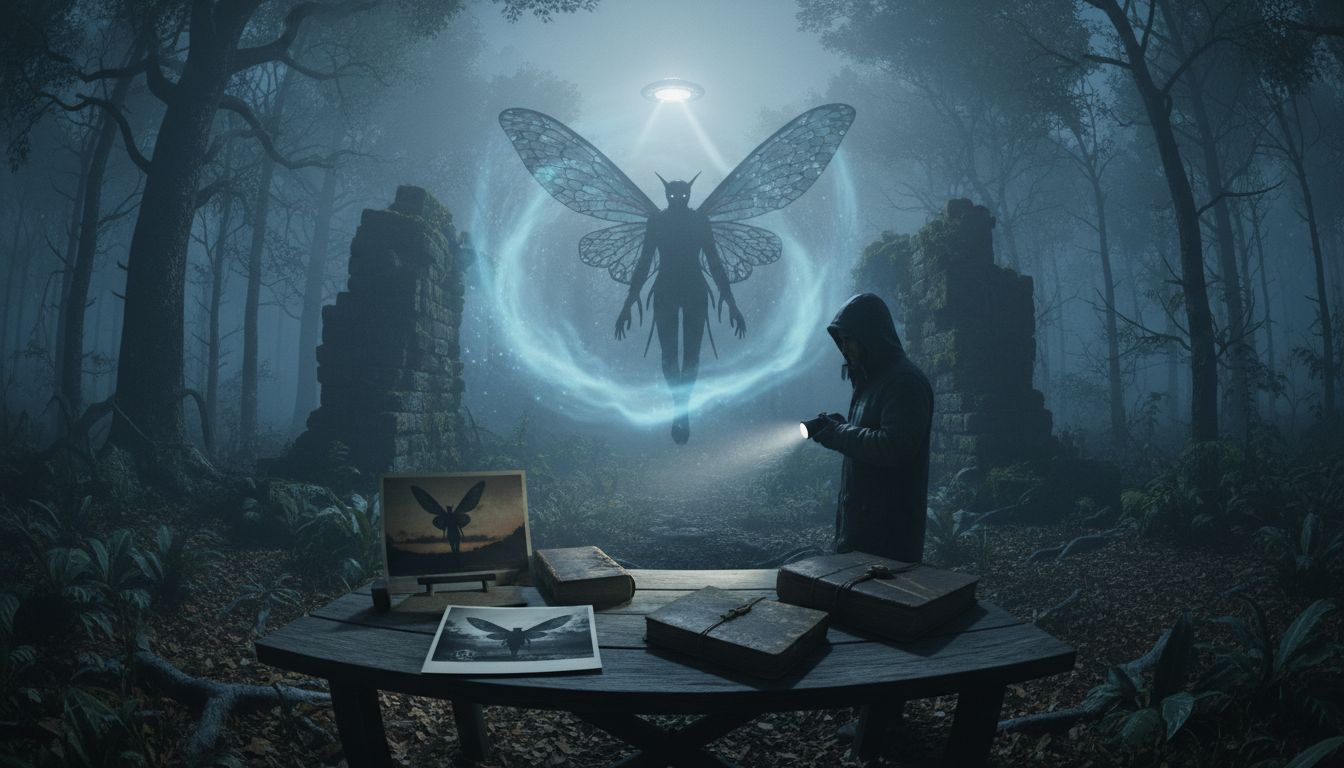
Among the myriad testimonies, a subset—primarily children—describe encounters with luminous, winged figures they call “Butterfly People.” One mother recounted that while she shielded her four‑year‑old daughter from a oncoming vehicle, the child later said she saw “pretty butterfly people” hovering and protecting them, after which the car never struck. Another survivor, a teenage girl severely injured in the tornado, reported feeling a gentle hand on her shoulder and hearing a telepathic reassurance that “you’ll be okay.” She now notes that butterflies frequently land on her when she is outdoors. Additional reports speak of similar entities escorting individuals who were near death toward the sky, suggesting a protective role in the chaos.
Possible Explanations
Researchers have offered several frameworks for interpreting these sightings. Dr. Elaine Ramirez, a clinical psychologist specializing in trauma, points to the “Third Man” phenomenon—a documented occurrence where people in life‑threatening situations perceive an unseen presence offering comfort. “In extreme stress, the brain can generate protective hallucinations that help the individual cope,” Ramirez explained. Folklorist Mark Hensley notes that guardian‑angel motifs are common in disaster narratives, and the butterfly imagery may reflect cultural symbols of transformation and hope. Some paranormal investigators propose a spiritual or extraterrestrial origin, linking the accounts to broader cryptid lore such as the Mothman. Skeptics, however, argue that the reports are trauma‑induced hallucinations, especially among children whose perceptual processing is still developing. A less conventional hypothesis suggests that severely damaged bodies may have been misinterpreted as winged forms, though this theory lacks empirical support.
Community Response
Regardless of their origin, the “Butterfly People” have become a visual shorthand for resilience in Joplin’s recovery efforts. The city’s public art program commissioned several murals featuring butterflies intertwined with local landmarks, and the “Joplin Strong” memorial incorporates butterfly motifs to symbolize renewal. Mayor Jason Smith remarked, “These images remind us that even after the darkest storm, there is a chance for beauty and rebirth.” Local schools have integrated the story into counseling curricula, using it as a narrative tool to help children process grief while fostering a sense of communal solidarity.
Outlook
The phenomenon remains a subject of ongoing inquiry among paranormal researchers, psychologists, and sociologists studying collective memory after catastrophe. While definitive evidence for the existence of “Butterfly People” is absent, the accounts underscore how extraordinary events can generate shared symbols that aid coping and identity reconstruction. Future interdisciplinary studies may illuminate the interplay between trauma, cultural mythmaking, and the human propensity to seek protective figures in moments of extreme danger. For now, the butterfly remains both a literal creature fluttering over Joplin’s streets and a metaphorical emblem of the town’s enduring hope.