Overview
Villa Fridheim, a Swiss‑style mansion perched on the shores of Lake Krøderen in Krødsherad, Norway, has long been celebrated for its fairy‑tale architecture. Locally nicknamed “Soria Moria” after the legendary hidden palace in Norwegian folklore, the estate now functions as the Villa Fridheim Fairy‑Tale Museum. In recent weeks the site has attracted renewed attention not only for its cultural heritage but also for reports that the former mistress of the house, dubbed the Lady of Soria Moria, may still be present in spirit. The story has turned the historic property into a focal point for both tourism and paranormal curiosity.
Historical Background
Constructed between 1890 and 1892 by lumber merchant Svend Haug, the villa was intended as a country retreat for Haug and his wife Thea (née Sveaas). After Svend’s death in 1891, Thea oversaw completion of the house and moved her family in. The Haug family operated the estate as a hotel from 1914 until 1960, after which the building fell into disrepair and was even slated for demolition in a fire‑drill exercise. Preservation efforts in the early 2000s rescued the structure, and it now houses a museum dedicated to the work of Norwegian folklorists Asbjørnsen and Moe, whose collections helped popularize the Soria Moria legend.
The Legend of the Lady
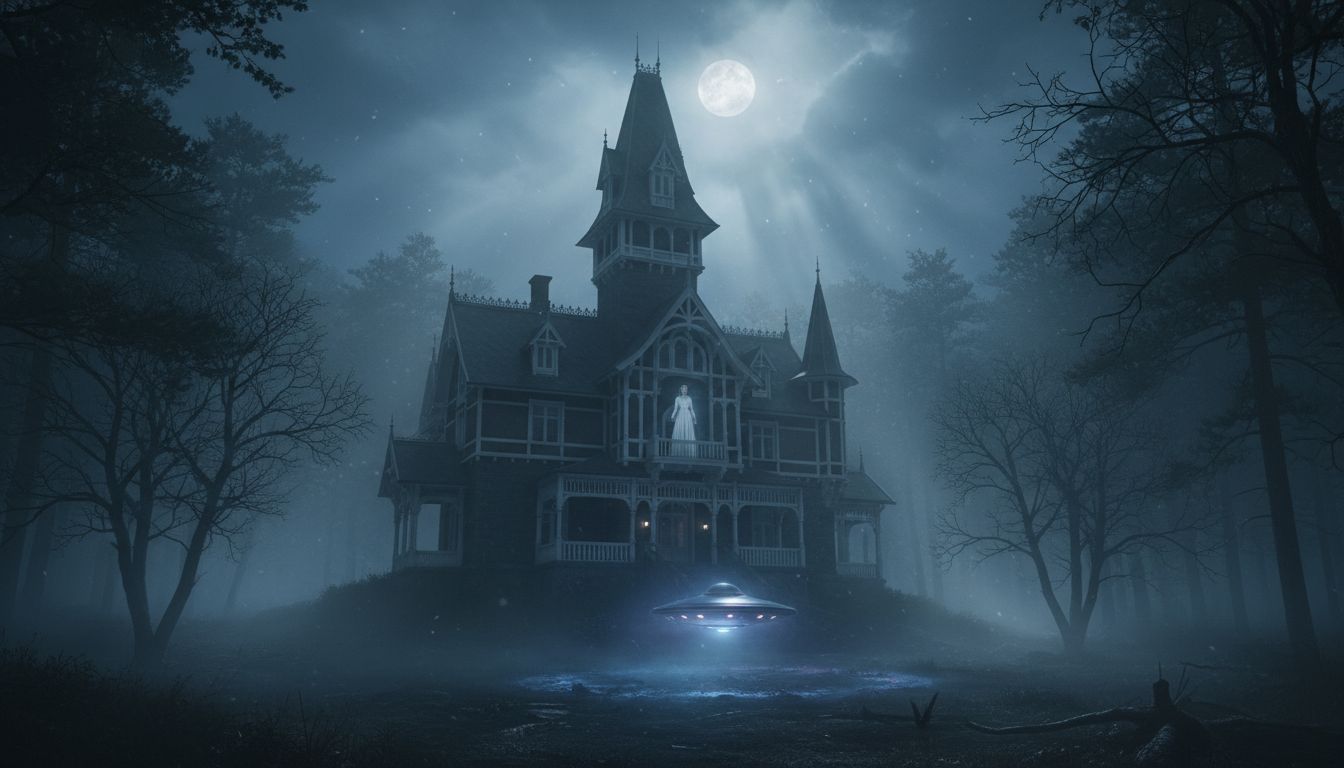
Local lore holds that the “Lady of Soria Moria”—believed to be Thea Haug herself—continues to oversee the mansion much as she did in life. Visitors who spend extended periods in the museum report a “persistent feeling of not being entirely alone,” a sentiment echoed in the Moon Mausoleum article that first publicized the tale. “We hear the soft rustle of silk and occasional footsteps on the marble staircases,” said museum curator Karin Østby, who prefers to document the experiences rather than sensationalize them. Østby adds that the legend reflects a broader Norwegian tradition of attributing protective spirits to historic homes, reinforcing communal ties to the past.
Current Use and Preservation
Today the Villa Fridheim Fairy‑Tale Museum showcases original woodwork, carved details, and period furnishings that illustrate the national romantic and “dragon” styles popular at the turn of the century. The museum’s programming includes guided tours that reference both the architectural significance and the folklore surrounding the Soria Moria moniker. Funding from the Norwegian Cultural Heritage Directorate has enabled recent restoration of the towers and façade, ensuring that the building remains safe for public access while preserving the atmosphere that fuels the ghost narrative. The site also serves as an educational hub, illustrating how 19th‑century Norwegian elites used architecture to express national identity.
Public Interest and Paranormal Inquiry
The “Lady of Soria Moria” story has spurred interest from both tourists and investigators of the paranormal. Local tourism officials note a modest uptick in visitor numbers since the legend was highlighted in online forums and the Moon Mausoleum post on 9 June 2026. However, researchers from the University of Oslo’s Department of Folklore caution against conflating anecdotal reports with empirical evidence. “Folkloric motifs often surface in places with rich historical layers,” explains Professor Eirik Lund, who studies contemporary belief systems. He emphasizes that while the legend enriches the cultural tapestry of Villa Fridheim, rigorous documentation remains essential to maintain scholarly credibility.
The Villa Fridheim stands at the intersection of Norway’s architectural heritage and its living folklore. Whether viewed as a symbol of lofty expectations drawn from the Soria Moria fairy tale or as a site of genuine paranormal intrigue, the mansion continues to draw scholars, tourists, and locals alike, reminding us that history often lives on in both stone and story.