Overview
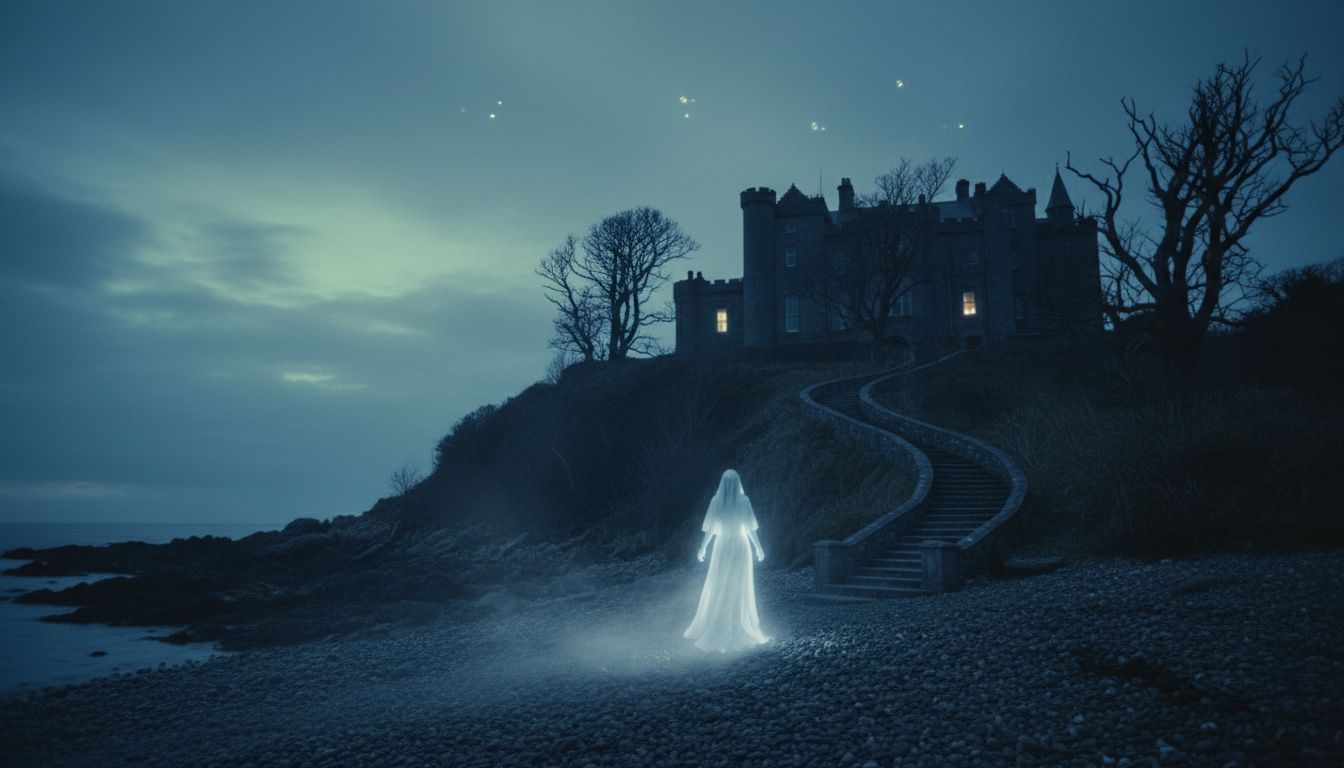
Ardgillan Castle, a Georgian estate perched on the cliffs north of Dublin, has become a focal point for paranormal enthusiasts after the Moon Mausoleum website highlighted the “Lady of the Stairs” haunting on May 8, 2026. The article describes a white‑clad figure that allegedly emerges from the private beach and wanders the castle grounds, particularly the arched footbridge known locally as the Lady’s Stairs. While the story fits a long tradition of Irish “white lady” folklore, officials stress that the legend remains anecdotal and is not part of any formal investigation.
Historical Context
Built in 1738 by Reverend Robert Taylor, Ardgillan Castle remained in the Taylor family until its transfer to public ownership in 1962. The 20‑acre estate blends formal gardens with rugged coastal cliffs, offering views of the Irish Sea that have inspired both painters and historians. In the 19th century, a private set of stone stairs was added to provide direct access to a secluded beach, a convenience that later gave the bridge its colloquial name, the Lady’s Stairs. “The architecture of the stairs is typical of the period—functional yet elegant—and it has become an unintended stage for local storytelling,” notes Dr. Eoin O’Leary, a historian with the Dublin Heritage Society.
The Primary Legend
The most widely circulated version of the haunting tells of a noblewoman—identified in the narrative as the wife of a local lord—who watched daily from the bridge as her husband swam in the cold Atlantic waters. According to the legend, a sudden storm claimed his life, leaving the lady in profound grief. She is said to have returned night after night to the stairs, awaiting his return, until she herself passed away. Witnesses claim to see a white, translucent figure lingering on misty evenings, a description that aligns with classic “white lady” motifs found throughout Irish folklore.
Competing Accounts
A second, less common account attributes the apparition to Louisa Augusta Connolly, the Baroness of Langford, who married Lord Langford of Summerhill House in County Meath. Some local historians suggest that the confusion stems from the intermarriage of aristocratic families in the early 1800s, when the Langfords briefly used Ardgillan as a hunting lodge. “There is no documentary evidence linking Baroness Connolly to the castle, but oral tradition often merges personalities when a compelling narrative is at stake,” explains Dr. O’Leary. The Moon Mausoleum article truncates this version, noting that the story “ends abruptly,” reflecting the fragmentary nature of the source material.
Cultural Impact and Tourism
The legend has contributed to a modest increase in visitor numbers during the autumn months, when the sea fog creates the atmospheric conditions described in the tales. Sarah Murphy, manager of the Ardgillan Castle Visitor Centre, reports a 12 % rise in guided‑tour bookings since the story’s online publication: “We receive inquiries specifically about the Lady of the Stairs, and many guests enjoy the blend of history and folklore. We emphasize that the castle’s primary draw remains its architecture and gardens, but the legend adds an extra layer of intrigue.” Local tourism officials are careful to present the story as part of the region’s intangible cultural heritage rather than as evidence of paranormal activity.
Conclusion
The Lady of the Stairs remains a compelling example of how historic sites acquire layered narratives over time. While the legend lacks empirical verification, it underscores the enduring appeal of ghost stories in connecting communities to their past. As Ardgillan Castle continues to serve both as a preserved heritage site and a backdrop for folklore, the balance between scholarly interpretation and popular imagination will likely shape its reputation for years to come.