In the quiet, agricultural heart of Dolj County, the village of Marținu de Sus—home to roughly 700 residents—still carries a belief system that blends centuries‑old folklore with the rhythms of contemporary life. While most inhabitants work the fields and run small shops, many also recount, in hushed tones over coffee or at the local bar, that their families have “hunted” strigoi, the undead vampires of Romanian myth, for generations. The practice, described by locals as a private, family‑run ritual, is not a public spectacle but a discreet response to what they perceive as a genuine threat from the dead.
The most recent episode that has drawn attention occurred in February 2004, when the Toma family accused their late patriarch, 76‑year‑old Petre Toma, of returning as a moroi—a phantom that feeds on the living. According to the family’s account, Petre died in December 2003 after a drunken accident that caused his horse to overturn his carriage, crushing him. He was interred in the village cemetery, but within weeks relatives reported unexplained illnesses, persistent nightmares, and a feeling of being watched. “We felt something was wrong,” said Ioana Toma, Petre’s granddaughter, in an interview conducted by the local cultural office. “People in the village started falling ill, and we heard the old stories about a moroi who does not rest.” The family consulted a local “strigoi hunter,” a role traditionally filled by an elder who knows the rites for identifying and neutralising restless spirits.
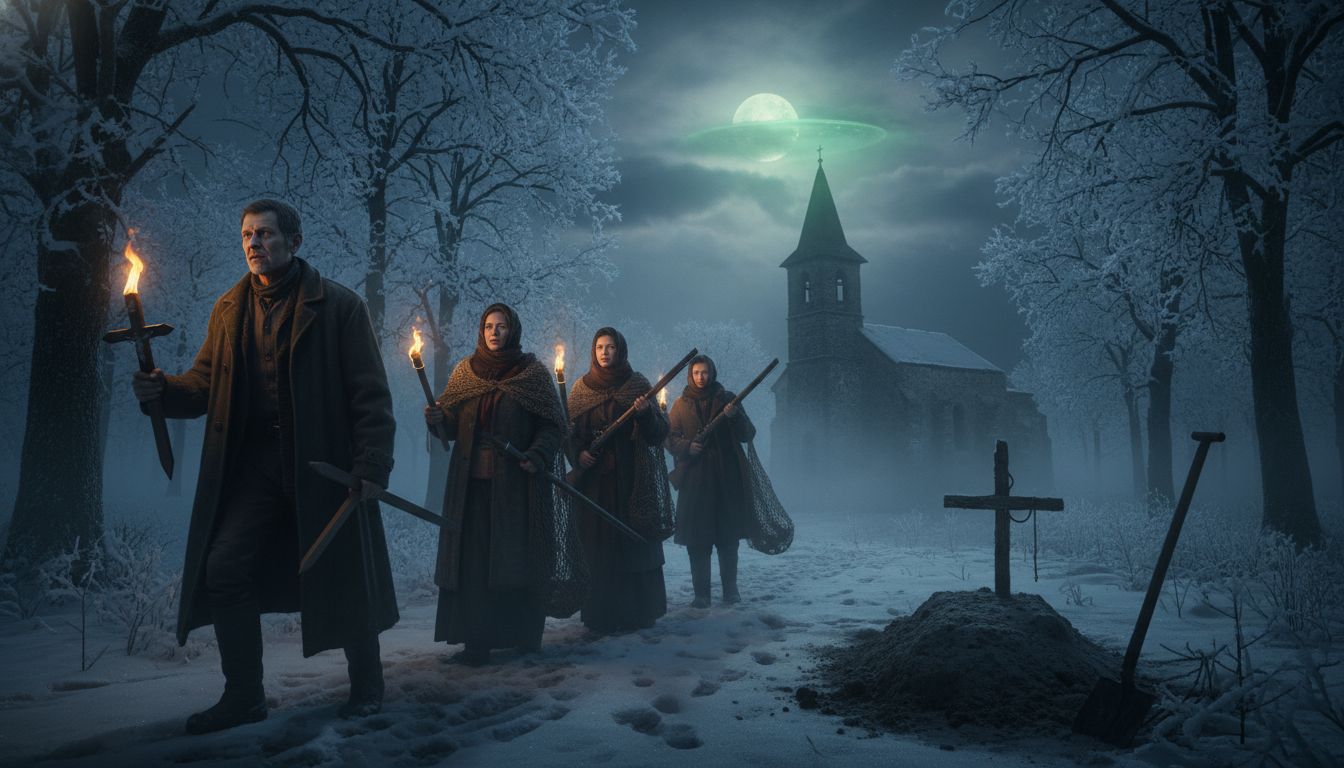
The hunter, who asked to remain anonymous, performed a series of rituals that included exhuming the corpse, placing garlic and holy water on the remains, and reciting prayers in Romanian and Church Slavonic. He also instructed the family to burn a specific bundle of herbs and to avoid consuming any food prepared by the deceased. “These actions are meant to break the link between the spirit and the living,” he explained. While the family claims the subsequent illnesses ceased, there is no official record of a criminal investigation or medical documentation linking the events to any supernatural cause. Anthropologists note that such practices, though rare, persist in isolated communities where oral tradition outweighs formal healthcare narratives.
Folklorists place the strigoi legend within a broader European vampire tradition that surged in the 18th and 19th centuries, fueled by reports from the Carpathian region. Dr. Elena Popescu, a professor of ethnology at the University of Bucharest, says the modern “vampire panic” in villages like Marținu de Sus reflects a continuity of belief rather than a resurgence of superstition. “The strigoi is a cultural construct that historically explained sudden deaths, disease, or misfortune,” she notes. “In contemporary settings, the narrative can serve as a coping mechanism for grief, especially when medical explanations are insufficient or unavailable.” Popescu adds that the secrecy surrounding these hunts helps preserve community cohesion, allowing families to address anxieties without external scrutiny.
Local authorities acknowledge the existence of such rituals but emphasize that they operate within the bounds of the law. The mayor of Marținu de Sus, Ionel Radu, stated that while the municipality does not endorse any form of vigilante action, it respects cultural heritage as long as no violence or illegal activity occurs. “We have no records of police reports involving alleged strigoi,” Radu said. “If families choose to perform traditional rites, they do so privately, and we monitor only for any breach of public safety.” The Romanian Ministry of Culture has not listed the Toma case among its documented folklore events, underscoring the limited official recognition of these practices.
As Romania continues to modernise, the coexistence of ancient belief and present‑day reality remains a point of scholarly interest. The Toma family’s experience illustrates how folklore can manifest in tangible actions, even in the 21st century, and highlights the delicate balance between cultural preservation and the need for empirical health interventions. Whether the strigoi of Marținu de Sus are mythic specters or symbolic expressions of communal fear, their story offers a rare glimpse into a living tradition that persists on the margins of a rapidly changing society.