Overview
The Rollibock—a mythic, goat‑like creature said to emerge from avalanches—has long been part of oral tradition in the Valais region of the Swiss Alps. According to local folklore, the beast acts as a guardian of the Aletsch Glacier, the largest glacier in the Alps, punishing anyone who “overexploits” the ice. While the story is rooted in centuries‑old legend, its resurgence in recent years coincides with accelerating glacial retreat, prompting scholars and community leaders to examine the narrative’s cultural and environmental relevance.
Cultural Context
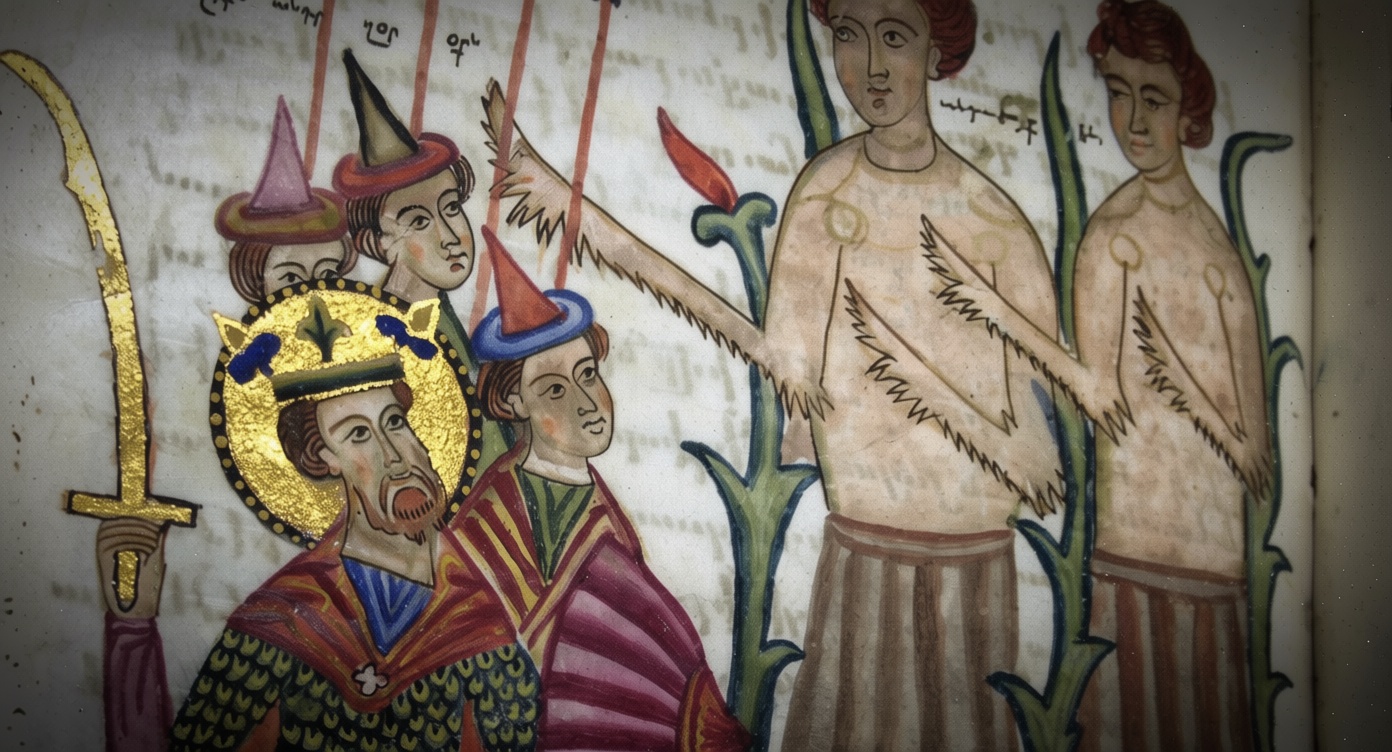
Villages such as Naters, Fieschertal and other alpine hamlets have preserved the Rollibock tale through generations, often recounting it around winter fires when “the wind howls through the mountain passes and the ice groans beneath the weight of unseen forces.” Historian Dr. Lena Krämer of the University of Zurich notes that “the Rollibock functions as a moral sentinel, embodying the collective anxiety of mountain communities toward the unpredictable power of snow and ice.” The legend also intersects with documented pilgrimages from the 17th‑century “little ice age,” when residents of Fiesch trekked to the glacier’s edge to beg for divine intervention, a practice that has left a lasting imprint on regional identity.
The Legend in Detail
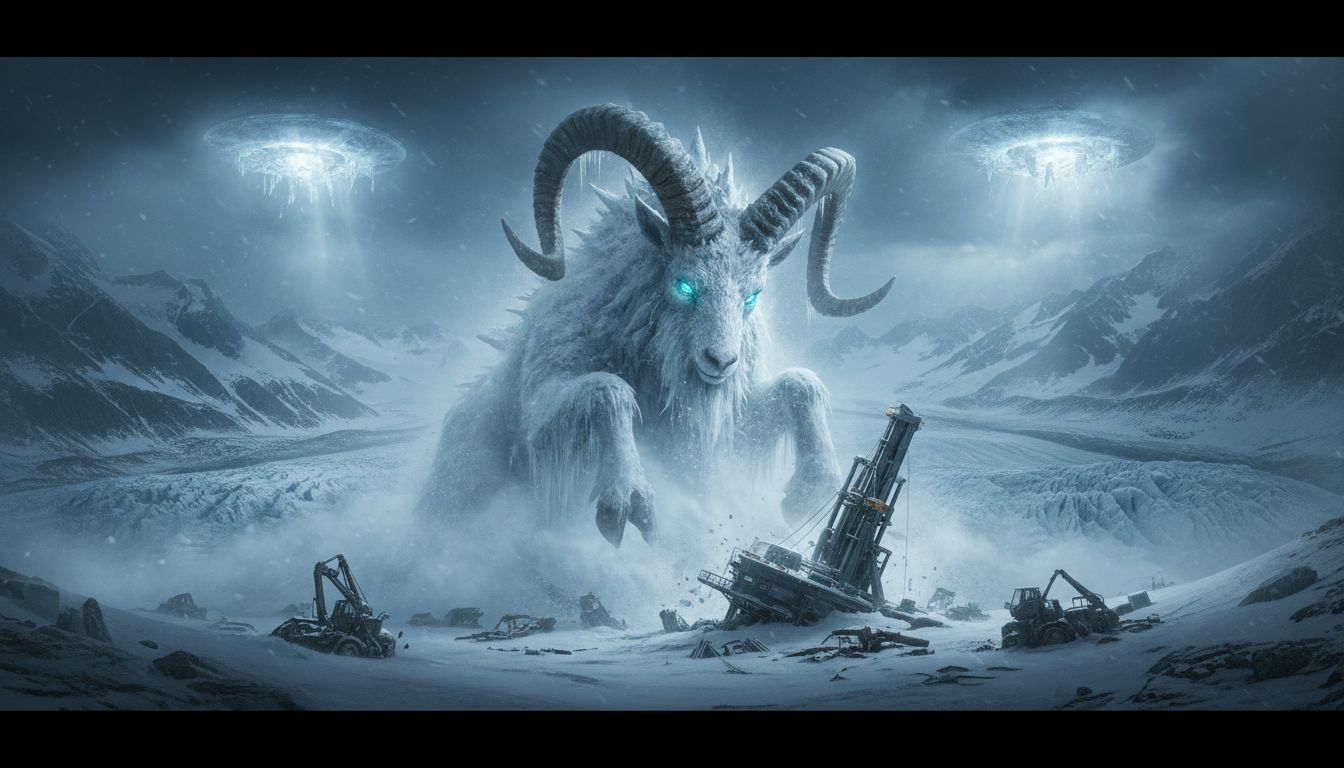
Descriptions of the Rollibock vary, but most accounts agree on a massive, goat‑like beast with “eyes glowing an unnatural, eerie light” and “twisted, towering horns coated in frost.” Its body is said to be “encrusted with jagged shards of ice that clatter together as it moves,” and its breath allegedly makes the surrounding snow “recoil in terror.” One popular story tells of a hunter who attempted to harvest “rare ice crystals believed to hold magical properties.” As he shattered the crystals, a sudden storm enveloped the glacier, and a “lone ferryman” appeared, offering a perilous escape—only to be denied by the hunter’s greed, after which the Rollibock allegedly swept him away. Such narratives reinforce the creature’s role as a punitive force against disrespect toward the natural environment.
Environmental Angle
The Aletsch Glacier—stretching 15 miles and reaching depths of up to 800 metres—has lost nearly two miles of length since the late 19th century. Climate models project an additional eight‑mile reduction by 2100, potentially shrinking the glacier to a tenth of its current mass. Environmental scientist Prof. Marco Bianchi of ETH Zurich explains, “The Rollibock legend can be seen as an early cultural expression of ecological stewardship. While the story is mythic, its underlying warning aligns with modern scientific concerns about glacial melt and biodiversity loss.” Local tourism operators, aware of the legend’s draw, have begun integrating it into guided hikes, emphasizing both the folklore and the urgent need to protect the fragile alpine ecosystem.
Local Perspectives
Residents remain divided on how the legend should be framed. “When I was a child, my grandmother warned me that the Rollibock would come if we took more ice than we needed,” recalls 68‑year‑old shepherd Andreas Keller of Naters. “Now, I tell my grandchildren that the creature is a reminder to respect the mountain, not a monster to fear.” Conversely, younger voices such as 24‑year‑old climate activist Sofia Meier argue that the story risks “romanticizing” a serious issue. “We need concrete action—reducing carbon emissions, supporting glacier monitoring—rather than relying on folklore to convey urgency,” she says.
Outlook
As the Aletsch Glacier continues to recede, the Rollibock legend offers a unique lens through which to view the intersection of cultural heritage and environmental change. While the creature itself remains firmly in the realm of myth, the cautionary themes it embodies resonate with contemporary scientific warnings. For the alpine communities of Valais, preserving both the glacier and the stories that surround it may prove essential to maintaining a sense of place amid an uncertain climatic future.