Overview
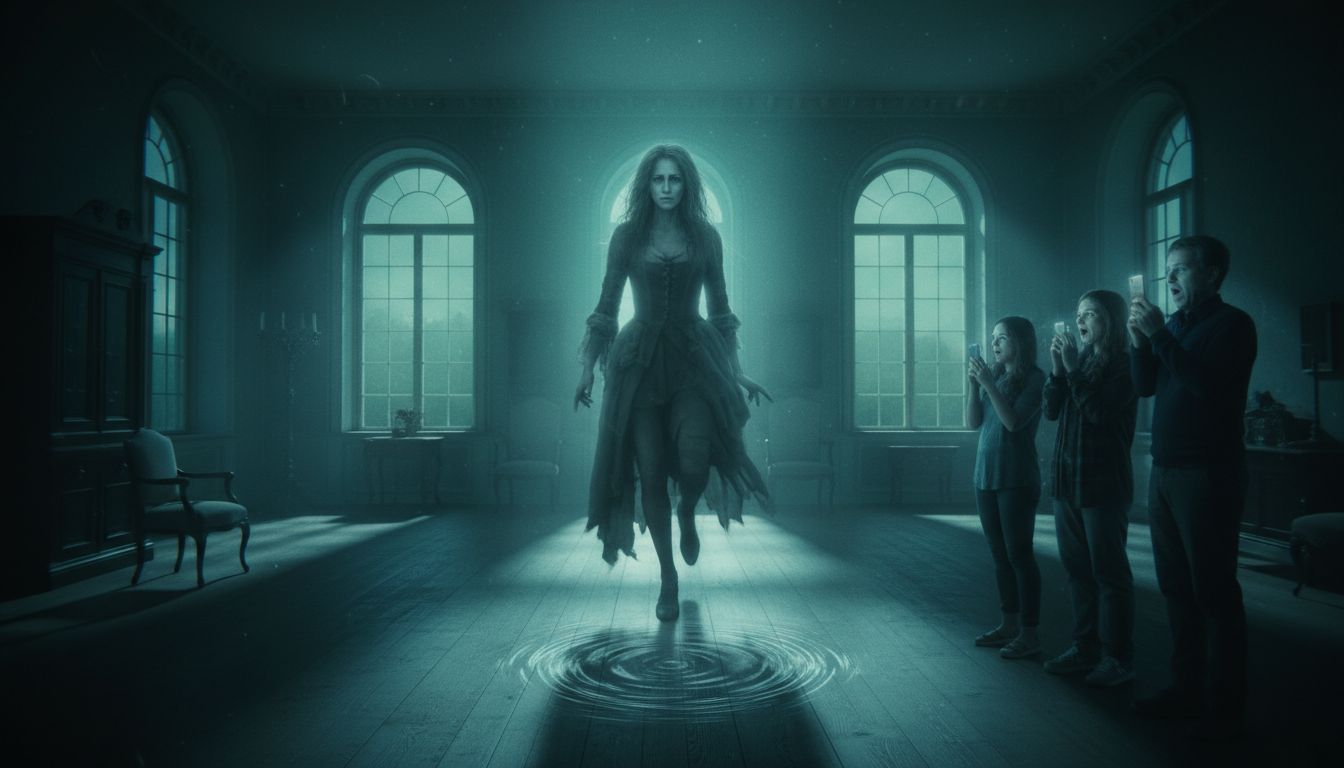
A centuries‑old tale of tragedy and restless longing continues to circulate around Fossesholm Manor in Vestfossen, Buskerud. According to local folklore, Birthe Svendsdatter—known as “Halte‑Birthe” because of a permanent limp—appears at night, her footsteps echoing through the manor’s empty corridors. The story, which blends elements of social class conflict, forbidden love and a fatal fall, has been documented on the Norwegian paranormal site Moon Mausoleum and is retold by residents and heritage groups alike.
Historical background of Fossesholm
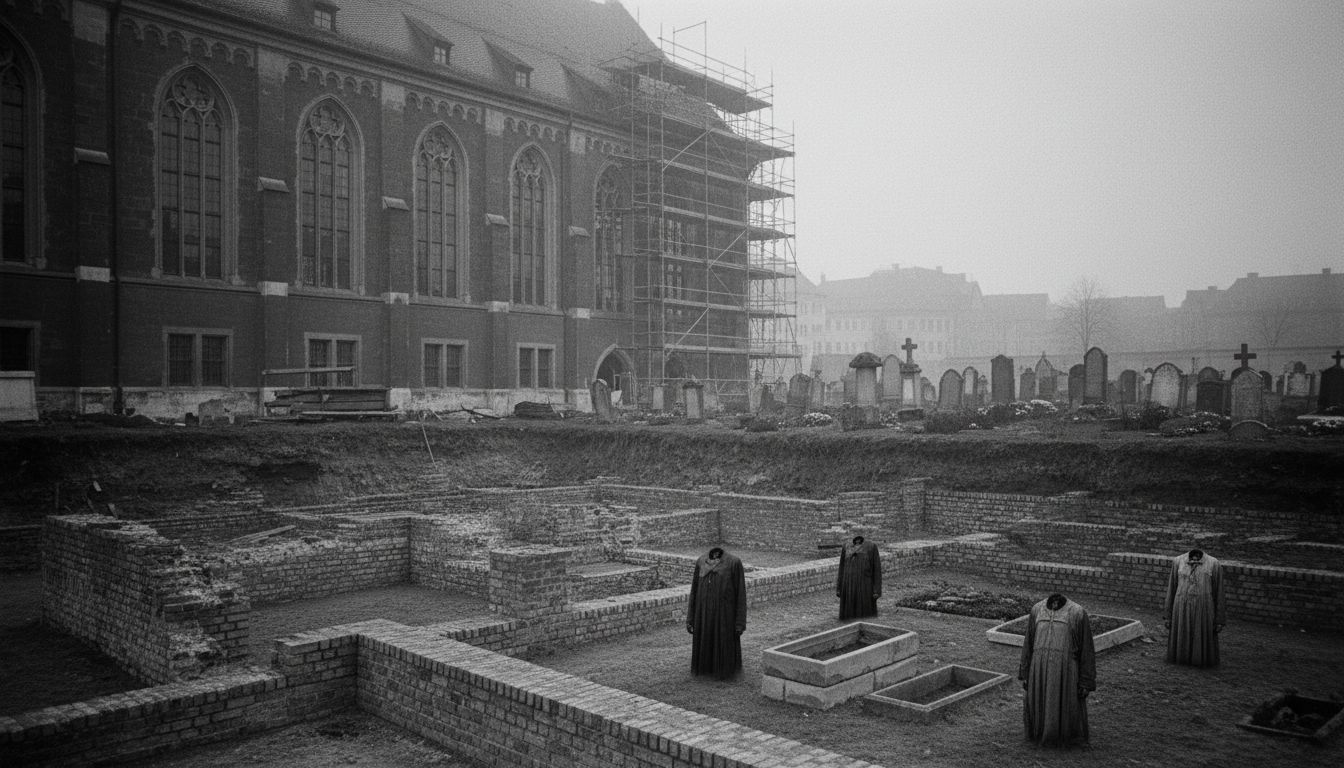
Fossesholm Manor was the centerpiece of the Foss estate, consolidated between 1541 and 1548 by Peder Hanssøn Litle, the lord of Akershus, to dominate the region’s lucrative saw‑milling industry. The manor’s stone walls and outbuildings have survived numerous renovations, and the property is listed as a cultural‑heritage site by the Norwegian Directorate for Cultural Heritage. Historians such as Dr. Kari Nilsen of the University of Oslo note that the estate’s archives contain records of a “Birthe Svendsdatter” employed as a domestic worker in the early 1700s, though details of her family background remain sparse. Whether she was the daughter of a wealthy family or a servant, as the legend alternately claims, is still debated among scholars.
The legend of “Halte‑Birthe”
The narrative centers on a forbidden romance with a German officer—identified in some versions as a mercenary stationed in Norway during the mid‑eighteenth century. According to the tale, Birthe’s parents disapproved, prompting the couple to exchange vows clandestinely in a forest between Lier and Røyken. When the affair became known, Birthe allegedly faced severe punishment, culminating in a desperate leap from a second‑floor window of the manor. The fall left her crippled, with a pronounced limp and a traumatic brain injury that, as the legend says, limited her ability to count beyond three. The story further claims that she lost the child she was carrying and descended into mental distress, eventually becoming a spectral figure who roams the manor’s upper floors.
Witnesses and contemporary reports
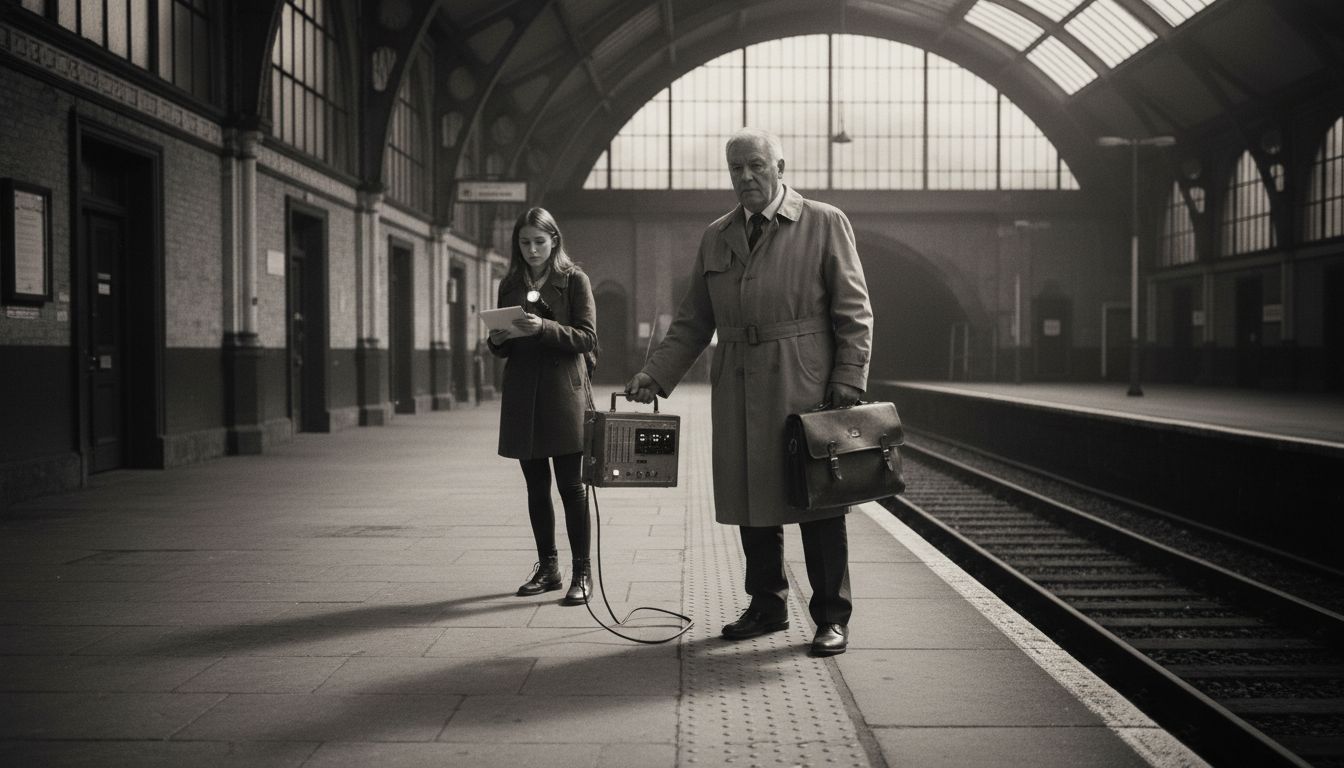
Over the past decade, several visitors to Fossesholm have reported unexplained phenomena that align with the legend. Local guide Erik Haugen told the Vestfossen Gazette in March 2026, “I’ve heard a soft, uneven shuffle near the east wing after dark, and the air feels colder, as if someone is watching.” A group of university students from the Department of Anthropology documented “a faint, rhythmic tapping that could be interpreted as a limp” during a night‑time field study in February 2026, though their audio recordings were inconclusive. The Norwegian Paranormal Society (NPS) has catalogued these accounts but emphasizes that no empirical evidence—such as verifiable visual sightings or physical traces—has been produced to confirm the apparition.
Cultural impact and scholarly perspective
The “Limping Ghost of Fossesholm” has become a touchstone for regional folklore, featuring in guided tours, local art installations, and the broader “Ghosts of Norway” digital archive. Cultural anthropologist Dr. Lise Berg argues that the story reflects societal anxieties about class mobility, gendered oppression, and the consequences of defying familial expectations in eighteenth‑century Norway. While the legend attracts tourists seeking a spine‑tingling experience, experts caution against conflating myth with historical fact. As Dr. Berg notes, “Legends like Halte‑Birthe serve as narrative vessels that preserve communal memory, but they should be examined with the same critical rigor we apply to any historical source.”
The tale of Birthe Svendsdatter remains a compelling blend of documented history and oral tradition. Whether the manor truly houses a lingering spirit or simply a story that has endured through generations, the legend continues to shape the identity of Fossesholm and its surrounding community, inviting both curiosity and scholarly inquiry.