Overview
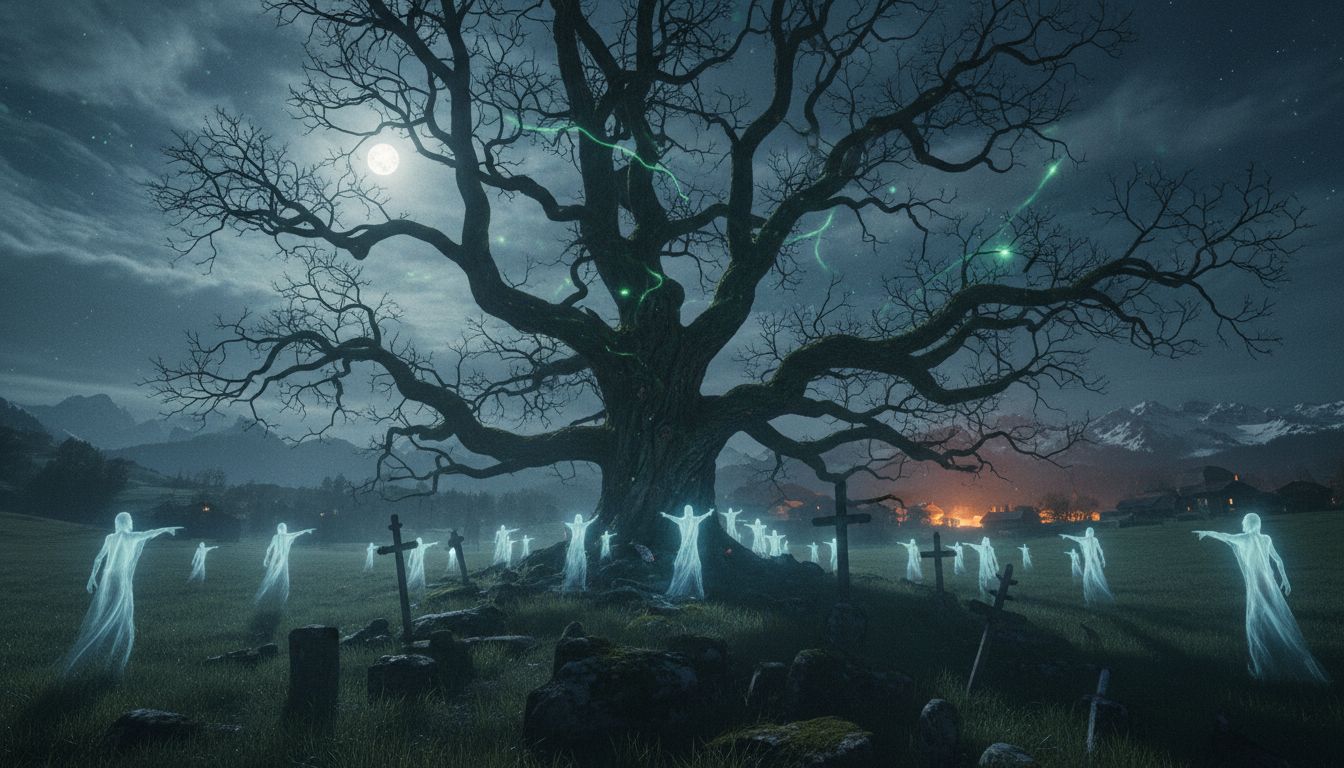
A towering linden (Tilia) tree on a ridge above the village of Linn in the Aargau canton of Switzerland has become both a natural landmark and a focal point of local folklore. Known as the Linner Linde, the tree is estimated—by dendrochronologists and village records—to be between 600 and 800 years old, making it one of the oldest and widest specimens in the country. While its massive trunk and spreading canopy draw hikers and tourists, the tree is also linked to a centuries‑old story that a mass grave of Black Death victims lies beneath its roots, and that the spirits of those buried there rise at night to warn of future tragedies.
Historical Background
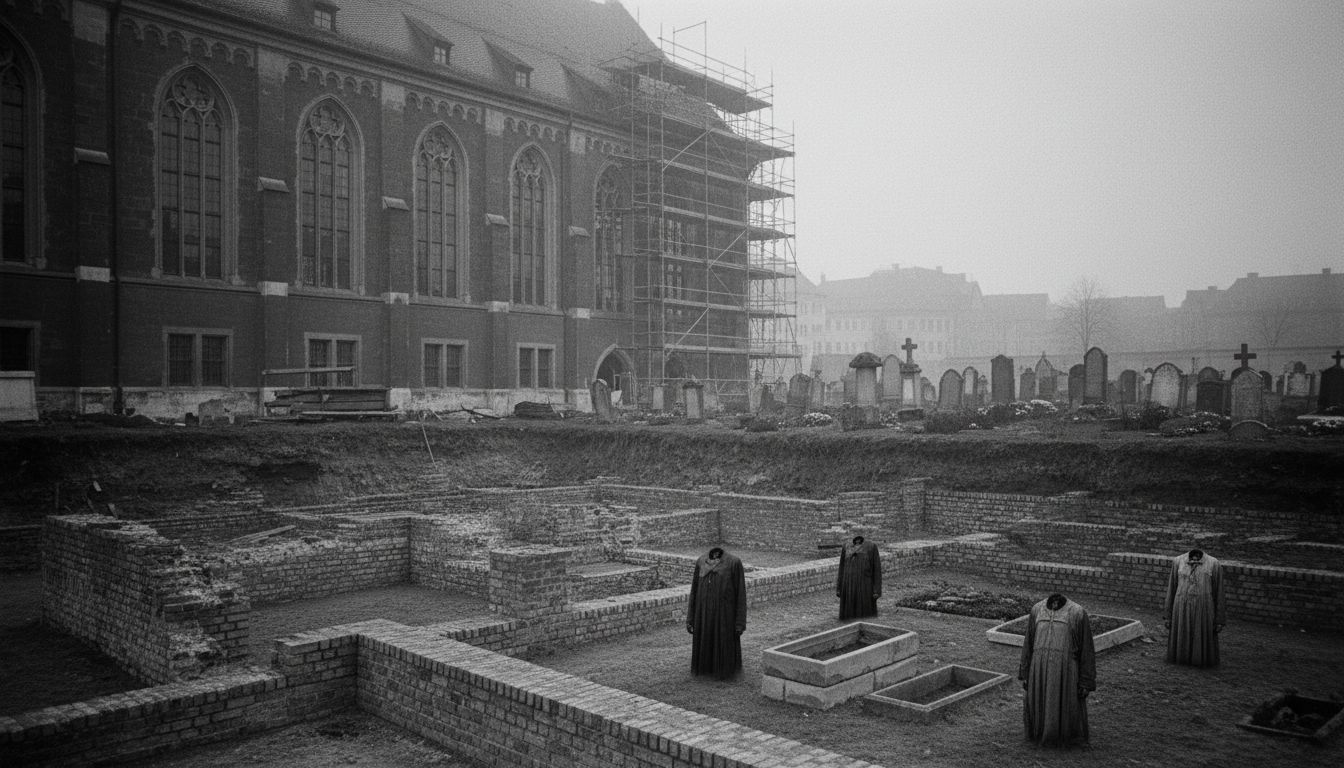
The first written references to the Linn linden appear in the memoirs of 19th‑century chronicler Ludwig Rochholz, who recorded oral traditions passed down from the village’s elders. According to those accounts, a devastating plague swept through the Alpine valleys in the mid‑14th century, killing almost every resident of Linn. One surviving villager—whose name is not recorded—buried the dead in a communal pit on the ridge and planted a linden sapling as a living memorial.
Modern scholarship offers a slightly different timeline. Archival research in the cantonal archives indicates that the region suffered repeated plague outbreaks throughout the 16th century, and a municipal record from 1552 mentions the planting of a “Lindbaum zur Erinnerung an die Pestopfer” (linden tree in memory of plague victims). Dendrochronological analysis conducted by the University of Zurich’s Department of Forest Ecology in 2024 dated the tree’s inner growth rings to the early 1400s, supporting the notion that the tree predates the later outbreak but may have been replanted or symbolically renewed after subsequent epidemics.
The Legend and Its Evolution
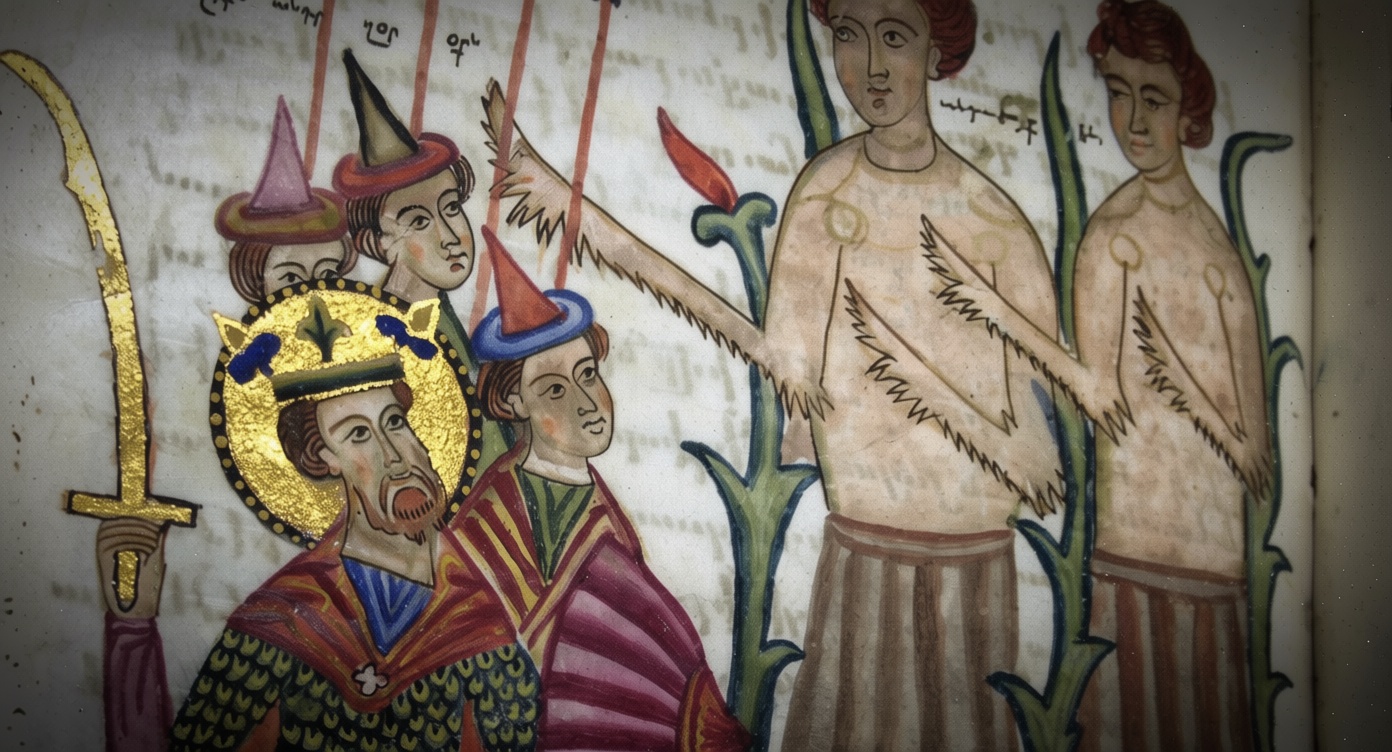
Local legend, as recounted by residents and documented by Rochholz, claims that the souls of the buried plague victims emerge from the earth on cold autumn and winter nights, “crawling from the ground to haunt as a warning for any oncoming tragedies.” The tale is typically told to children on the eve of the village’s annual “Linden Day” celebration, when lanterns are hung from the branches and folk songs are sung.
Dr. Elena Keller, a cultural anthropologist at the University of Basel, explains that such narratives are common in Alpine communities that have experienced collective trauma. “The story serves a dual purpose,” she says. “It preserves the memory of a catastrophic event while also providing a moral framework—warning listeners to heed communal vigilance.” Keller cautions that the legend, while deeply embedded in local identity, should not be taken as literal evidence of paranormal activity.
Preservation Efforts
In recent years, the Swiss Federal Office for the Environment (FOEN) has classified the Linner Linde as a protected natural monument. A joint initiative between the canton of Aargau, the local heritage association, and the Swiss Forestry Service began a conservation program in 2023 that includes regular health assessments, soil remediation, and the installation of a discreet support system to prevent crown splitting.
Mayor Hans Meier of Linn highlighted the tree’s cultural importance during a press conference in March 2026: “The linden is not only a reminder of our ancestors’ suffering but also a symbol of resilience. Protecting it safeguards both our natural heritage and the stories that define our community.”
Community Perspective
Today, the Linner Linde attracts hikers, historians, and folklore enthusiasts alike. Guided tours offered by the Linn Heritage Society blend scientific explanations with the traditional legend, emphasizing respect for both the tree’s ecological value and its place in collective memory. Local resident Marta Huber, who grew up hearing the ghost story, says, “When I walk beneath its branches at dusk, I feel a connection to the past—both the sorrow of the plague and the hope that a living tree can embody.”
The convergence of verified history, ongoing preservation, and enduring myth makes the Linner Linde a unique case study of how natural landmarks can anchor communal identity across centuries. While the haunting whispers remain a matter of folklore, the tree’s continued vitality offers a tangible testament to the region’s capacity to remember and heal.