Overview
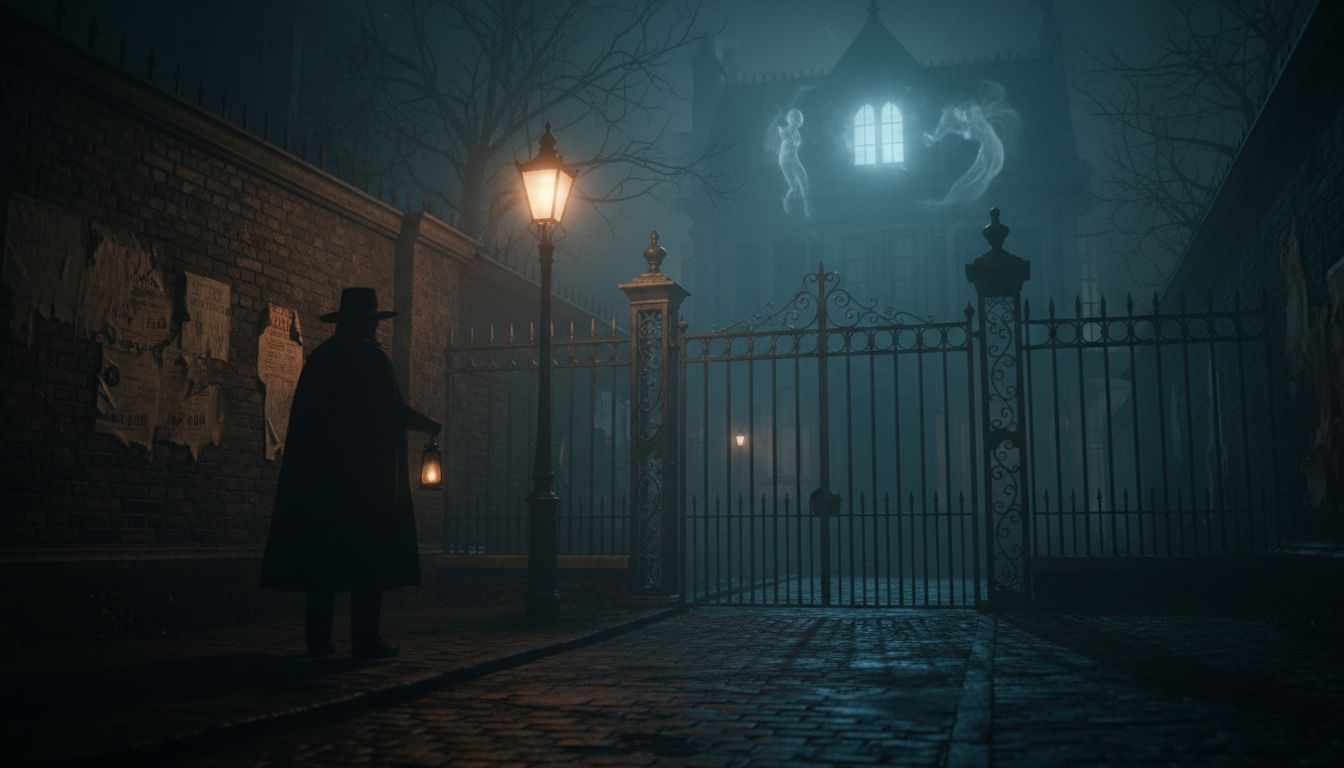
Sarah Penner’s latest novel, The London Séance Society, transports readers to the atmospheric world of 1873 London, where the fascination with spiritualism and the occult is at its height. The book, which blends historical fiction with elements of the paranormal, was the subject of a recent review on YouTube. The reviewer, who previously enjoyed Penner’s debut The Lost Apothecary, offered a measured perspective, highlighting both the strengths and weaknesses of this sophomore effort.
Plot and Themes
Set amidst the shadowy parlors of Victorian London, the story centers around two women—Vaudeline D’Allaire, a renowned spiritualist, and her understudy, Lenna Wick—as they investigate a murder using the dark arts of séance and spirit communication. The book opens in an abandoned chateau on the outskirts of Paris, where Vaudeline is summoned to conjure the spirit of a murder victim. Lenna, driven by the unsolved death of her sister, must set aside her skepticism about the occult in her pursuit of answers.
As the duo is drawn into the exclusive world of London’s séance society, they find themselves investigating not just a crime, but possibly entangled within one. The reviewer notes that Penner’s exploration of women’s roles in the male-dominated arena of spiritual investigations is a key theme, providing a lens into both the era’s fascination with the supernatural and its social dynamics.
Critical Reception
The reviewer assigned the book a three out of five rating, describing it as “decent” but not outstanding. “I liked it, but it wasn’t great. It wasn’t bad either,” they remarked, characterizing the novel as somewhat slow and at times implausible. The pacing, in particular, was cited as a drawback: “It just went on forever and felt quite slow at times.” They further commented that the story’s scenario stretched believability, though they acknowledged that such implausibility is not uncommon in fiction.
A comparison was drawn to Penner’s previous work, with the reviewer stating, “It wasn’t as good as The Lost Apothecary, which I really enjoyed.” The sense of a “sophomore slump” was apparent, with the reviewer suggesting that, despite evidence of research, the book sometimes felt rushed or less immersive than its predecessor. The historical context of Victorian spiritualism was noted as intriguing, especially given the period’s real-life figures like Sir Arthur Conan Doyle, who was famously involved in séances.
Reader Context and Final Thoughts
The reviewer selected The London Séance Society for a book club prompt focused on paranormal or cozy fiction appropriate for the fall “spooky season.” At just under 350 pages, the novel was described as relatively short, though the reviewer felt it could have benefited from more developed scenes. “If it had been longer, I think it would have been a worse rating,” they admitted, underscoring their mixed feelings.
Ultimately, the review concluded that the book may appeal to fans of paranormal fiction, but it did not resonate as strongly as Penner’s debut. “If you like the sound of this book, take it as you will… If you’re interested in paranormal fiction, you might like this,” the reviewer stated, encouraging viewers to share their own thoughts and experiences with the novel.
Conclusion
The London Séance Society emerges as a solid, if not spectacular, entry in the growing field of historical paranormal fiction. While the book’s evocative setting and exploration of Victorian spiritualism offer intrigue, mixed pacing and plausibility issues may leave some readers wanting more. For those interested in the intersection of mystery, history, and the supernatural, Sarah Penner’s latest work offers a glimpse into a world where the line between the living and the dead is tantalizingly thin.


