Overview
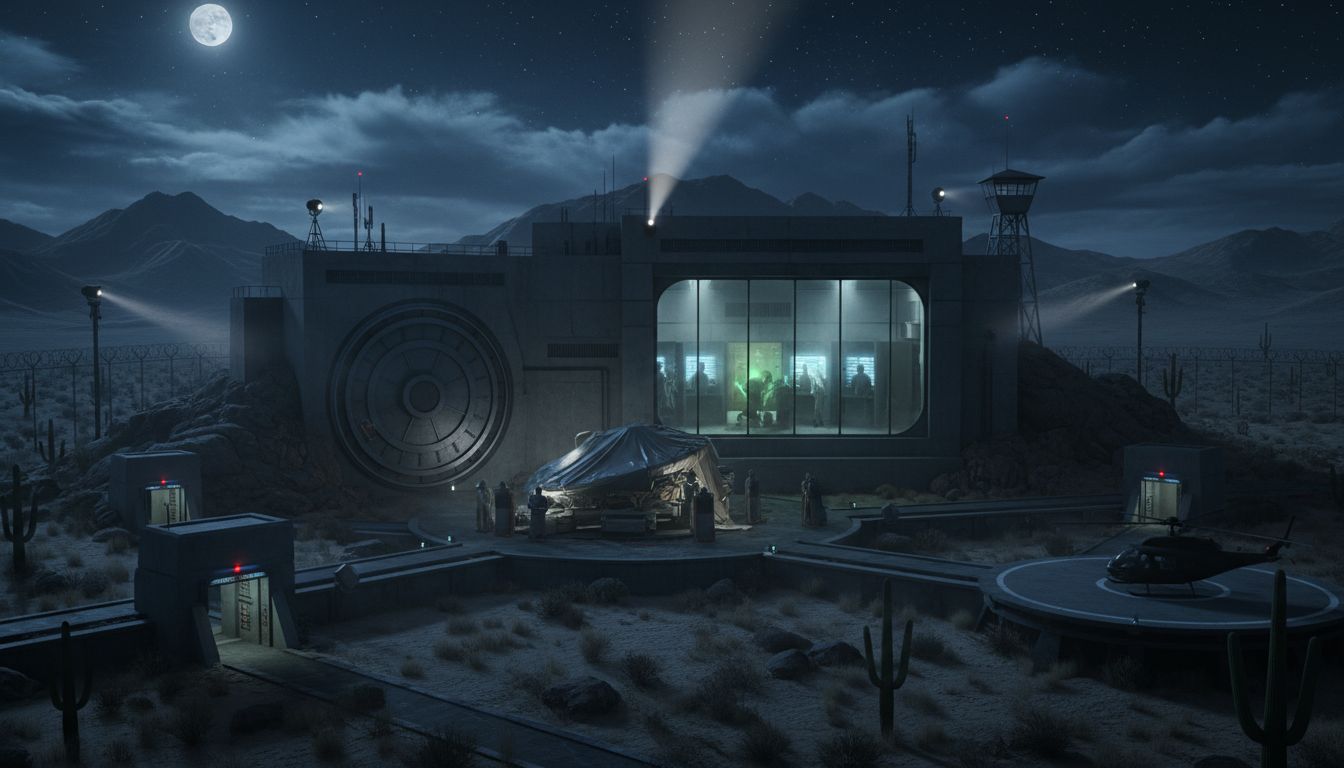
A recent feature in VibeWire Magazine—published on May 2, 2026 by the “UFOs‑Disclosure” team—draws a parallel between the United States’ World‑War‑II‑era Manhattan Project and contemporary, highly classified programs tasked with retrieving and reverse‑engineering unidentified aerial phenomena (UAP). The article, titled “The Manhattan Project 2.0 – The Secrecy of UFO Crash Retrieval Programs (Vol. 1)”, argues that the same layered compartmentalization and need‑to‑know protocols that protected atomic‑weapon development now shield the core of UAP‑related activities.
Historical Foundations
According to the VibeWire piece, the origins of the modern UFO retrieval effort trace back to 1947, when President Harry S. Truman authorized a covert initiative to investigate anomalous aerial sightings. The program allegedly received further backing from President Dwight D. Eisenhower, who, amid the early Cold War, recognized the potential intelligence value of any non‑human technology that might have entered U.S. airspace. While the exact nature of those early directives remains classified, the article cites declassified memos that reference “unidentified aerial objects of possible foreign origin” and the need for a “secure, centralized response.”
Security Architecture
The magazine’s analysis outlines a security architecture that mirrors the Manhattan Project’s “three‑tier” model:
- Strategic Oversight – A small, inter‑agency board reports directly to the National Security Council, limiting knowledge to a handful of senior officials.
- Operational Cells – Separate military branches (Air Force, Navy, and Army) run independent “crash‑site” teams, each isolated from the others to prevent cross‑contamination of information.
- Technical Silos – Contractors and research labs tasked with material analysis operate under strict non‑disclosure agreements, with data encrypted and stored on isolated networks.
The article stresses that compartmentalization is intentional: any breach in one cell would not automatically expose the entire program. This structure, it argues, “creates a self‑protecting ecosystem that can survive political turnover and external scrutiny.”
Cold‑War Fragmentation
During the 1950s and 1960s, escalating tensions between the United States and the Soviet Union prompted a shift from a unified retrieval effort to siloed infrastructures. The VibeWire report notes that as the threat of espionage grew, the original “single‑point” command was deliberately fractured. Each service branch developed its own protocols, storage facilities, and even distinct code names for crash sites. This fragmentation, while complicating inter‑service coordination, added an extra layer of security by ensuring that no single entity held the complete picture of the program’s scope.
Context and Credibility
The piece situates its claims within a broader pattern of documented UFO‑related incidents—such as the 1980s British special‑forces salvage operation referenced in the magazine’s UFO archive. Although the author does not provide direct quotations from government officials, the article references declassified documents and historical memos that have been cited in prior congressional hearings on UAPs. By anchoring the narrative in these sources, the report aims to maintain journalistic credibility while acknowledging the inherent opacity of the subject matter.
Implications and Next Steps
If the described security model is accurate, the “Manhattan Project 2.0” may continue to operate largely unseen, with any future disclosures dependent on either a policy shift toward transparency or an accidental leak. The VibeWire authors suggest that upcoming congressional oversight panels could pressure the program’s leadership to adopt more standardized reporting mechanisms, potentially reducing the current “need‑to‑know” barriers. Until then, the article concludes, the layered secrecy that protects atomic secrets in the 1940s appears to be doing the same for today’s most enigmatic aerospace mysteries.


