The historic Calcasieu Parish Courthouse in Lake Charles, Louisiana, has long been a focal point for civic affairs, but it has also become a magnet for stories of the supernatural. Built in 1912 and listed on the National Register of Historic Places, the brick building was the site of the state’s first—and to date only—female execution by electric chair. On February 28, 1942, Toni Jo Henry, convicted of murder, was put to death on the courthouse’s second floor. The manner of her death—burning hair and a sudden flash of electricity—has been cited by witnesses as the source of a lingering, distinctive odor that some visitors claim to smell when they pass the execution chamber.
Henry’s life before the courtroom was marked by hardship and violent crime. Born Annie Beatrice McQuiston, she grew up in poverty, lost her mother to tuberculosis, and entered sex work as a teenager. In 1941 she married Claude “Cowboy” Henry, a fugitive who had killed a police officer and was awaiting a lengthy sentence in Texas. Determined to free him, Henry conspired with a drifter named Arkie to ambush and murder car salesman Joseph P. Calloway in Jennings, Louisiana. The pair dumped Calloway’s body in a ditch before returning to a local bar, where their boastful conversation led to their arrest. A trial that captured national attention concluded with a death sentence, and the electric chair at the Calcasieu Courthouse delivered the final blow.
Since the execution, anecdotal reports of unusual activity have accumulated. Visitors and employees have described hearing faint, intermittent sounds that resemble a chair’s mechanical whirring or a distant, muffled scream. Several people have also reported an acrid, singed‑hair scent in the hallway adjacent to the execution room, even when the building’s ventilation system is turned off. “I’ve been a security guard here for twelve years, and the smell comes on a cold night when no one else is around,” said longtime employee Miguel Alvarez, who asked to remain on record. Local historian Dr. Elaine Boudreaux, who has documented the courthouse’s architectural and legal history, cautions that “human memory and the power of narrative can amplify ordinary sensations, especially in a place associated with such a dramatic event.”
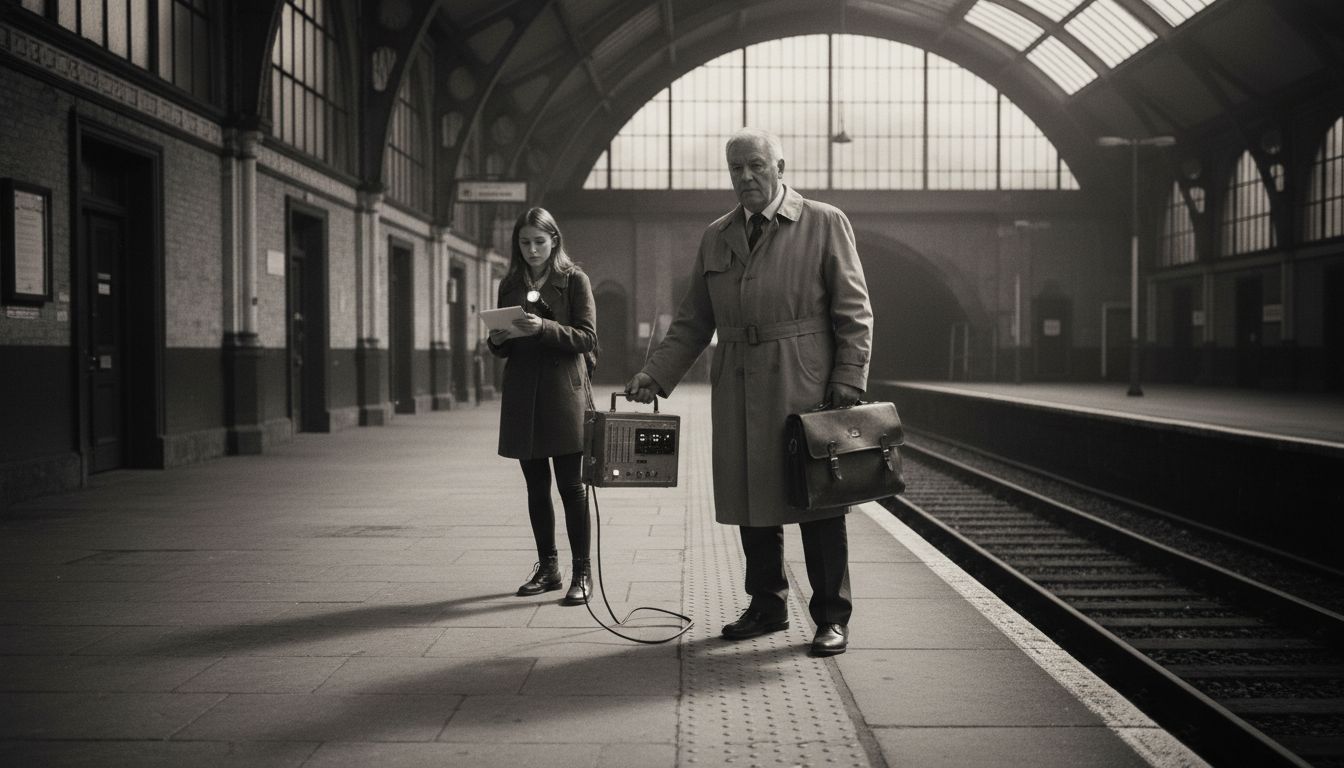
Paranormal investigators have taken an interest in the courthouse, but their findings have been mixed. The Lake Charles chapter of the Louisiana Society for the Investigation of Unexplained Phenomena (LSIUP) conducted a three‑night survey in the spring of 2024, deploying audio recorders, electromagnetic field meters, and temperature sensors. The team logged occasional spikes in ambient temperature near the execution chamber and captured low‑frequency sounds that could not be immediately identified. However, LSIUP’s lead researcher, Jenna Morales, emphasized that “the data are inconclusive; environmental factors and building acoustics can produce similar readings.” The organization’s final report, released last month, refrains from confirming any paranormal presence, instead recommending further study under controlled conditions.
The courthouse’s haunting narrative has also entered popular culture. Local tour operators now offer “historical haunt” walks that blend factual accounts of Henry’s crime and trial with the reported sensory experiences. While some critics argue that such tours risk sensationalizing a tragic past, proponents contend that they provide an avenue for community engagement with a complex history. “We’re not trying to glorify violence,” said tour guide Marcus LeBlanc, “but rather to remember a woman whose life intersected with the legal system in a way that still resonates today.”
Whether the lingering scent of burning hair and faint mechanical noises are the product of residual energy, psychological suggestion, or simple building quirks, the Calcasieu Courthouse remains a site where history and folklore intersect. As the building continues to serve its civic function, the stories surrounding Toni Jo Henry serve as a reminder of the human dramas that unfold within its walls, and of the ways communities grapple with the memory of a past that refuses to stay silent.