Overview
A newly compiled dossier released by the cultural‑heritage portal Moon Mausoleum details the Haugbúi Draugr (ᛏᚱᅅᚴᛦ), a figure from Norse folklore described as a corporeal “grave‑dwelling” spirit that roams burial mounds across the Nordic region. The report, published on 20 April 2026, reiterates long‑standing legends that portray the draught as a rotting, walking corpse capable of lethal encounters with the living. While the narrative echoes mythic motifs, scholars stress that the draugr remains a symbolic element of Viking‑age belief systems rather than a documented physical threat.
Historical Background
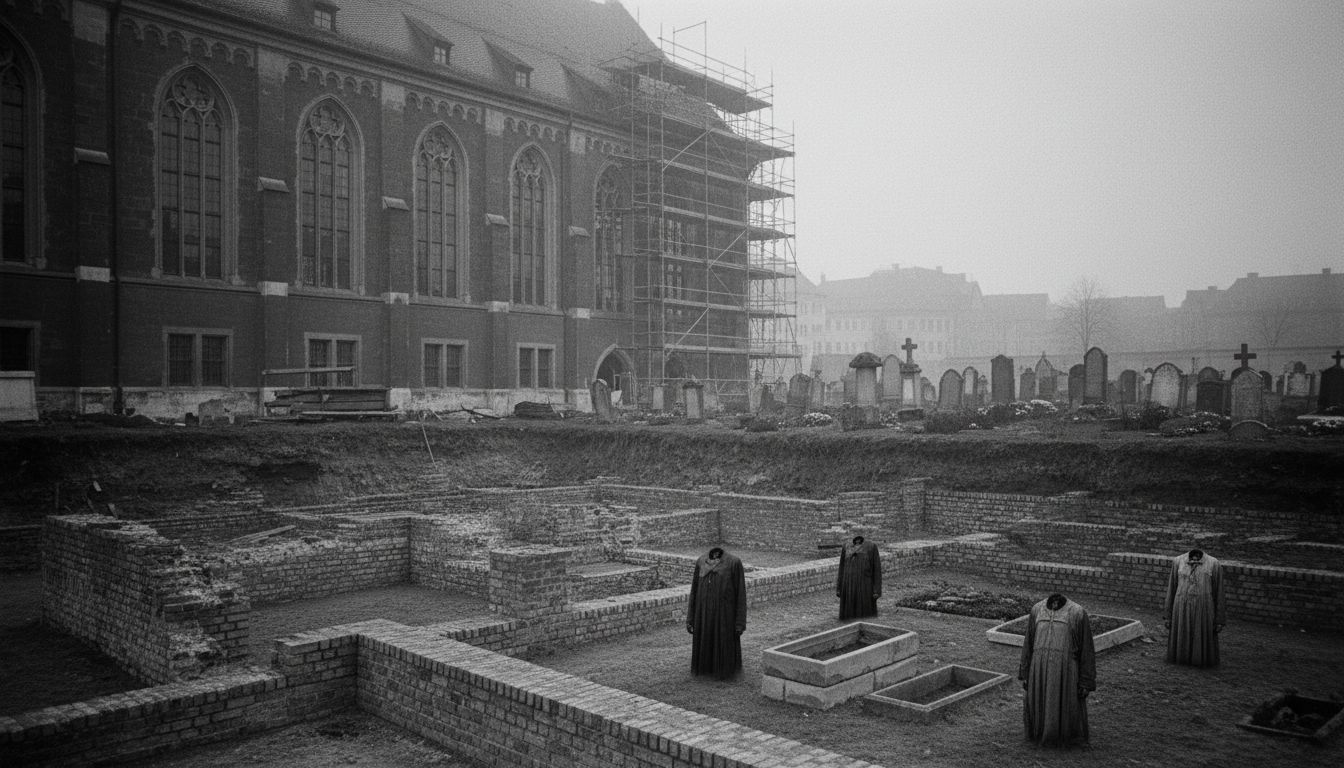
The term draugr derives from Old Norse, originally denoting any dead person’s ghost. Over time, it narrowed to signify a corporeal revenant—a being that rises from its burial mound, known in Old Norse as a haugbúi (“mound‑dweller”). Archaeological evidence shows that during the Bronze and Iron Ages, elite individuals were interred beneath large tumuli, prompting oral traditions that such sites were haunted. Professor Eirik Sundberg of the University of Oslo explains, “The mound was both a status marker and a focal point for communal memory; the draugr embodied the fear that a powerful dead could retain influence beyond death.”
Physical Description
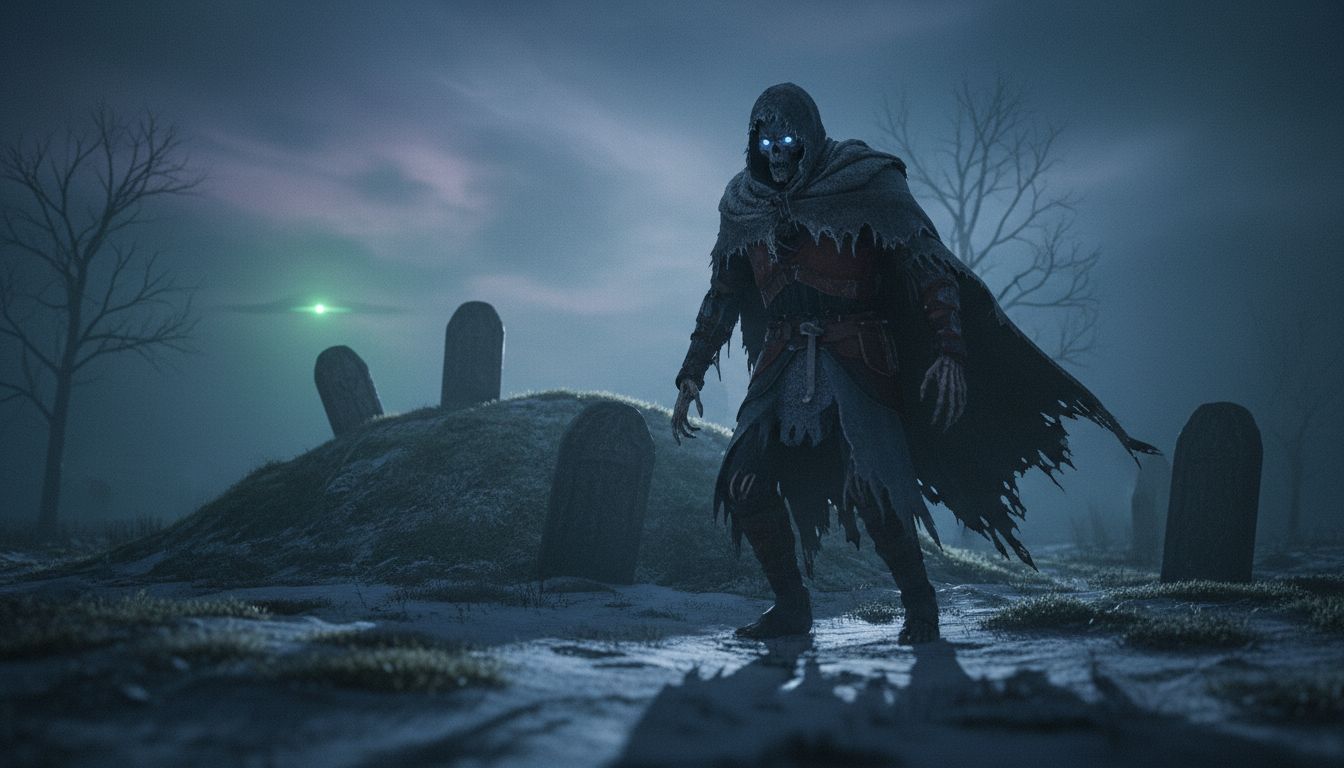
Unlike ethereal specters, the draugr is portrayed as a tangible, flesh‑rotting entity. Folklore accounts describe it as bloated, swollen with decay, and capable of leaving footprints in snow, crushing bone with a grip likened to “cold iron.” Illustrations accompanying the Moon Mausoleum article (credited to artist Kim Diaz Holm) depict the creature with elongated limbs and a decayed visage, reinforcing the notion of a living corpse rather than a mere apparition. The Haugbúi variant is distinguished from the maritime “Sea Draug” by its association with land‑based burial mounds.
Cultural Significance
In Viking worldview, death did not automatically extinguish a person’s power. A “strong, malicious, or deeply wronged” individual could return as a draugr, driven by hatred, envy, or an unbroken will. Tales often cast the draugr as a guardian of its own grave or former property, attacking trespassers to protect its legacy. This motif served a dual purpose: it reinforced respect for burial sites and provided a cautionary narrative about the consequences of hubris. Folklorist Anna Lindqvist notes, “The draugr stories functioned as social regulators, warning communities to honor the dead and to avoid disturbing sacred ground.”
Contemporary Perspectives
Modern interest in the Haugbúi Draugr has surged alongside a broader revival of Norse mythology in popular media. Researchers caution, however, that sensationalist portrayals can obscure the creature’s original cultural context. Dr. Mats Kjellberg of the Nordic Folklore Institute advises, “While the draugr makes for compelling fiction, it is essential to recognize it as a mythic construct reflecting historical attitudes toward death, property, and communal memory.” The Moon Mausoleum piece, though vivid, remains grounded in scholarly references and archival illustrations, offering a balanced view that respects both the mythic allure and the academic rigor surrounding the legend.