Overview
The Paranormal Digest for the week of February 7, 2026 turned its attention to Ireland’s Leap Castle, a 15th‑century stronghold that has long been cited among the world’s most haunted structures. The weekly roundup, published on the Medium platform, highlighted the castle’s notorious past, the presence of an entity known locally as the “Elemental,” and a host of other specters reported by visitors and investigators. In addition to the Irish focus, the digest surveyed a selection of haunted sites across Europe, North America, and Asia, offering brief updates on recent investigations and emerging folklore.
Leap Castle Spotlight
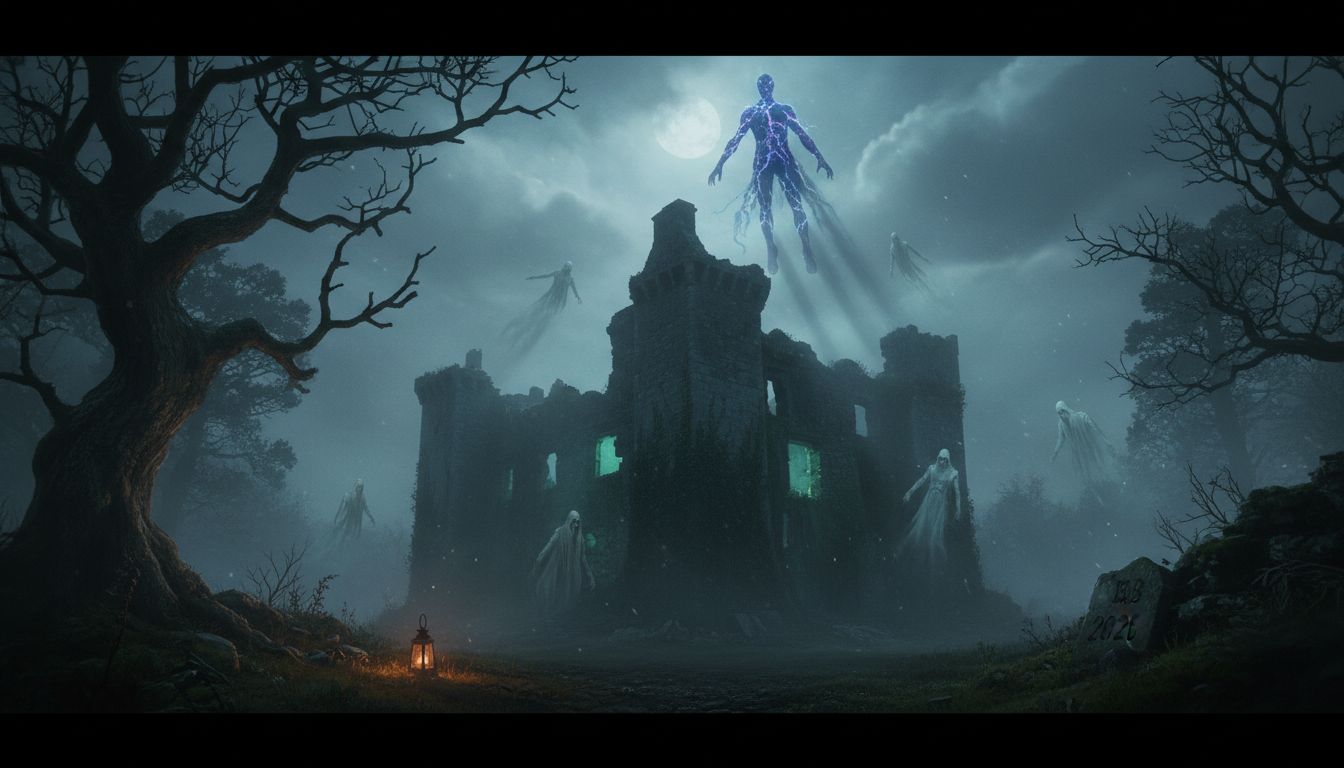
Leap Castle, perched on the border of County Offaly and County Westmeath, is famed not only for its medieval architecture but also for a brutal history of violence that many researchers believe fuels its paranormal reputation. Historical records document a series of murders, betrayals, and a notorious 16th‑century feud that left the castle scarred by bloodshed. According to the digest, modern investigators continue to encounter unexplained phenomena—cold spots, disembodied voices, and the occasional sighting of a shadowy figure that locals refer to as the “Elemental.”
The “Elemental” is described in the digest as a dark, humanoid silhouette that appears briefly in peripheral vision, often accompanied by an acrid smell and a sudden drop in temperature. While the entity has not been captured on video, several witnesses recounted similar experiences over the past decade, prompting a renewed interest from both academic folklorists and paranormal researchers. “The consistency of reports suggests a pattern that goes beyond isolated anecdote,” the digest notes, urging a systematic approach to future investigations.
Global Haunted Sites
Beyond Ireland, the digest provided concise updates on several other locations that have entered the public imagination:
Poveglia Island, Italy – The former quarantine station continues to attract investigators who report eerie footsteps and whispers near the abandoned chapel. A recent acoustic study detected low‑frequency resonances that some interpret as “psychic echo” phenomena.
The Myrtles Plantation, Louisiana, USA – New testimonies from staff describe cold drafts in the “Mirror Room,” a space historically linked to the alleged murder of a slave named Chloe. Researchers are re‑examining archival documents to verify the plantation’s murder claims.
Mount Koya, Japan – A remote Buddhist temple complex has been the subject of a thermal imaging survey that revealed localized heat signatures near a centuries‑old stone lantern, prompting speculation about residual energy from historic rituals.
These brief snapshots illustrate a global pattern: sites with documented histories of trauma or intense emotional events often become focal points for contemporary paranormal inquiry.
Historical Context and Methodology
The digest emphasizes that historical trauma is a common thread linking many haunted locations. Scholars such as Dr. Elaine O’Connor of University College Dublin argue that collective memory can manifest in psychological and environmental cues, influencing both the experiences of visitors and the interpretation of anomalous data. The Leap Castle investigations, for example, combine archival research, environmental monitoring (temperature, humidity, EMF), and eyewitness interviews, reflecting a multidisciplinary methodology that strives for rigor without sacrificing the cultural significance of folklore.
The publication also cautions readers against sensationalism, noting that many reported phenomena have plausible natural explanations—drafts, acoustic anomalies, or the brain’s pattern‑recognition tendencies. Nonetheless, the persistent nature of certain reports, especially those involving the “Elemental,” warrants further study.
Looking Ahead
The Paranormal Digest concludes by announcing an upcoming field season at Leap Castle slated for late spring 2026, featuring a collaborative team of historians, physicists, and experienced investigators. The team plans to deploy high‑resolution thermal cameras, laser interferometers, and audio‑frequency analyzers to capture data that could clarify the nature of the “Elemental” sightings.
In a broader sense, the digest calls for greater transparency in the sharing of investigative data, encouraging both amateur and professional communities to publish findings in peer‑reviewed venues. As the field evolves, the balance between respect for cultural heritage and scientific scrutiny remains central to understanding why places like Leap Castle continue to captivate the imagination of a worldwide audience.