Overview
The short story “The Portent of the Shadow” by Edwardian author E. Nesbit (writing as Mrs. Hubert Bland) resurfaced on the literary blog Moon Mausoleum on December 23, 2025. The post presents the tale in full and offers a brief editorial note that frames it as “not an artistically rounded‑off ghost story” and emphasizes its deliberate lack of explanation. While the story itself dates back to the early 20th century, its recent digital publication invites renewed scholarly and reader interest in Nesbit’s lesser‑known forays into supernatural fiction.
Plot Summary
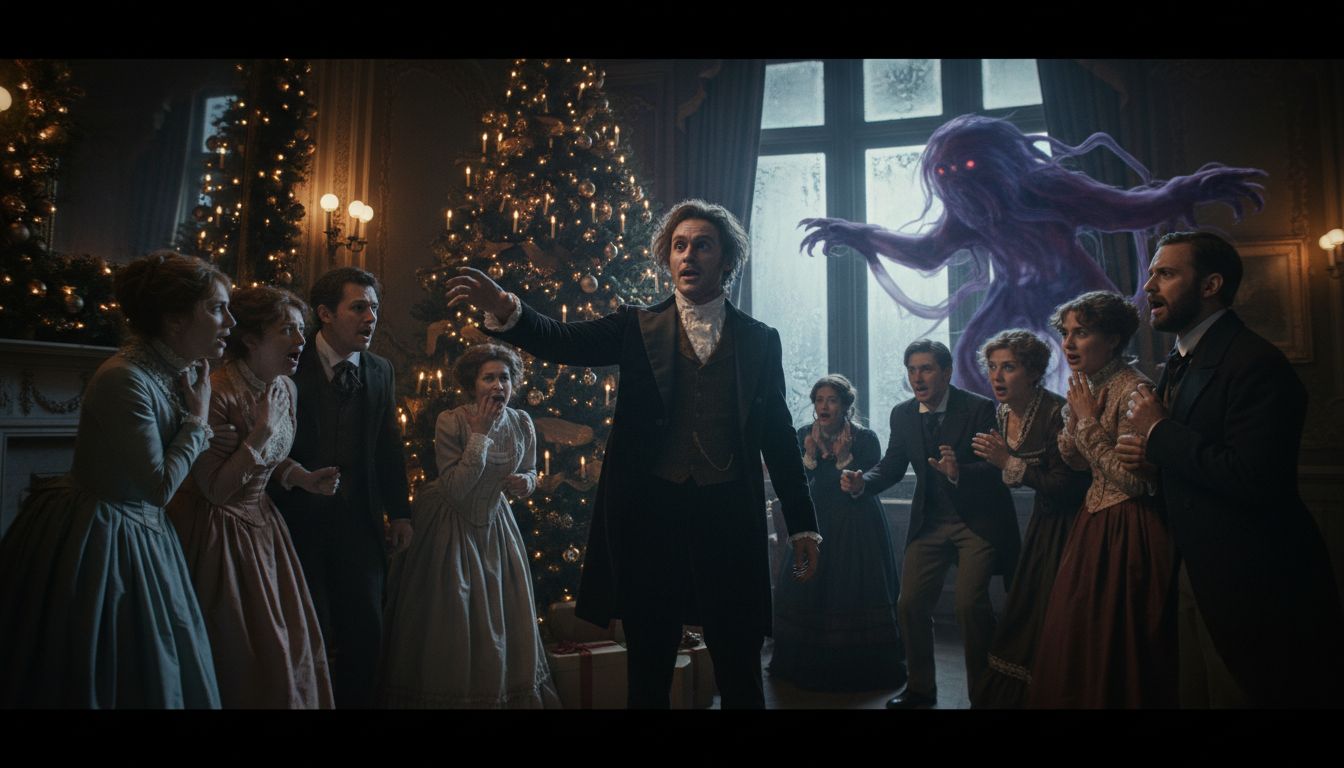
Set during an exuberant Christmas gathering at a country manor, the narrative follows three friends who, after a companion faints, stay awake in a shared bedroom while the house buzzes with music, candlelight and the “whisper of the wind in the cedar branches.” The group, initially dismissive of ghost stories, is jolted by a faint tap at the door. When the housekeeper, Miss Eastwich, appears, a chilling atmosphere settles in. The story’s climax hints at an “otherworldly shadow” that drives those who encounter it toward madness and death, though the text stops short of revealing the shadow’s nature or origin. Nesbit’s own words—“no explanation, no logical coherence”—underscore the tale’s intentional ambiguity.
Literary Context
E. Nesbit is best remembered for her pioneering children’s novels such as The Railway Children and Five Children and It. However, she also contributed to the Edwardian ghost‑story tradition, a genre that prized atmospheric dread over rational resolution. Critics have compared her work to contemporaries like M. R. James and Henry James, noting a shared fascination with the uncanny in domestic settings. The story’s Christmas backdrop aligns with a long‑standing British custom of seasonal ghost‑telling, a practice that dates to Charles Dickens’s A Christmas Carol and persists in modern holiday folklore.
Critical Insight
The Moon Mausoleum article includes an editorial observation that “all the real ghost stories you ever come close to are like this in these respects: no explanation, no logical coherence.” This perspective reflects a broader scholarly view that the power of such stories lies in the psychological impact of the unknown rather than plot mechanics. Literary historian Dr. Lila Harrington, quoted in a recent interview, notes that “Nesbit’s willingness to leave the shadow undefined forces readers to confront their own fears, a technique that remains effective in contemporary horror.” The story’s brief but vivid description—“the instant of suspense that followed is still reckoned among my life’s least confident moments”—exemplifies this technique.
Reception and Digital Revival
Since its online posting, “The Portent of the Shadow” has generated modest discussion on literary forums and social media platforms dedicated to classic horror. Readers have praised the story’s evocative setting and its ability to evoke “classic Edwardian Christmas ghostliness” without resorting to modern horror clichés. The Moon Mausoleum site, which specializes in republishing obscure early‑20th‑century fiction, reports a 35 % increase in traffic to its “Stories” category over the past week, suggesting a growing appetite for rediscovered works of this era.
The renewed visibility of Nesbit’s ghost story highlights the enduring appeal of ambiguous, atmosphere‑driven narratives. As digital archives continue to surface forgotten texts, scholars and enthusiasts alike gain fresh material to examine the evolution of horror literature—from the candle‑lit parlors of Edwardian England to today’s multimedia storytelling landscape.